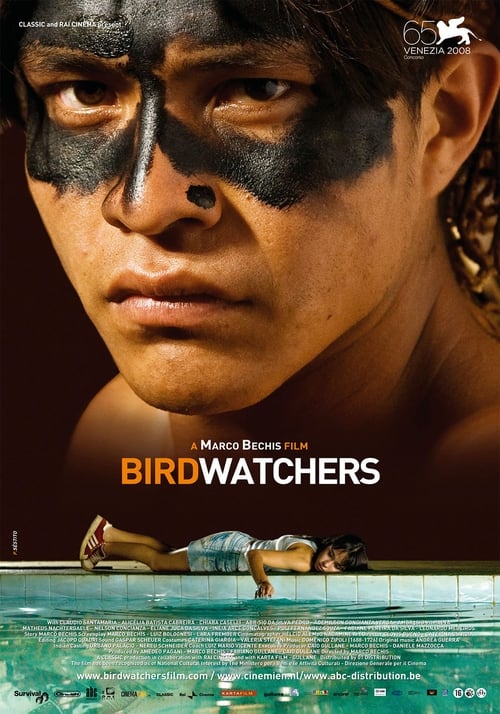
Birdwatchers
2008
No user ratings available yet
Diversity score: 7.3 out of 10

2019
Director
Tiago Melo
Runtime
80 minutes
Average Rating
No ratings yetSynopsis
No measure of hellfire preaching can quell the boisterous and bawdy passions of Maracatu, an Afro-Brazilian burlesque carnival tradition with roots in slavery that takes place in the northeast state of Pernambuco. As the Falstaffian character Tiao, Valmir do Coco leads a nonprofessional cast of authentic Maracatu practitioners in a tale told through dance, music, and the supernatural, set in the sugarcane fields outside Recife.
Overall Score
Good
Category Breakdown
LGBTQ+ Representation
The film explores carnal, celebratory expressions through the Maracatu tradition. While the setting suggests a departure from rigid heteronormativity, specific queer character arcs are not explicitly confirmed.
Gender Representation
The burlesque nature of the tradition likely disrupts conservative gender hierarchies. However, the narrative focus remains centered on the male lead, Tiao, leaving female agency less defined.
Racial & Ethnic Diversity
The film excels by centering Afro-Brazilian identity and using an authentic, nonprofessional cast. It reclaims historical sites of slavery through the lens of dance and music.
Religious & Cultural Diversity
The story critiques religious hegemony by showing how hellfire preaching fails to quell Maracatu passions. It frames cultural practice as a resilient response to colonial imposition.
Disability Representation
There is no documented evidence regarding the inclusion or portrayal of characters with physical or neurodivergent disabilities.
Strengths
Areas for Improvement
AI Analysis
Azougue Nazaré is a powerful act of cultural reclamation that centers Afro-Brazilian heritage. By utilizing authentic practitioners and focusing on the Maracatu tradition, the film disrupts colonial narratives and elevates grassroots storytelling. The film's strength lies in its subversion of religious and Western moral hierarchies. It replaces rigid preaching with the boisterous, expressive energy of carnival, providing significant agency to marginalized ethnic identities. However, the film's focus on a central male character and the lack of explicit details regarding LGBTQ+ or disability representation prevent a higher overall score. The narrative leans heavily into ethnic and cultural resilience.
2008
2019
2005
2023

1962
1972
1994
1962

2010
2022

2026

2024
No reviews yet. Be the first to share your thoughts on this movie!
Use the rating form above to leave a star rating and optional review.