Amazonia: Healing with Sacred Plants
2015
No user ratings available yet
Representation score: 6.4 out of 10
Representation Score
Good
2025
13+Director
Alexia Kraft de la Saulx
Runtime
37 minutes
Average Rating
No ratings yetNew Showbiz Analysis
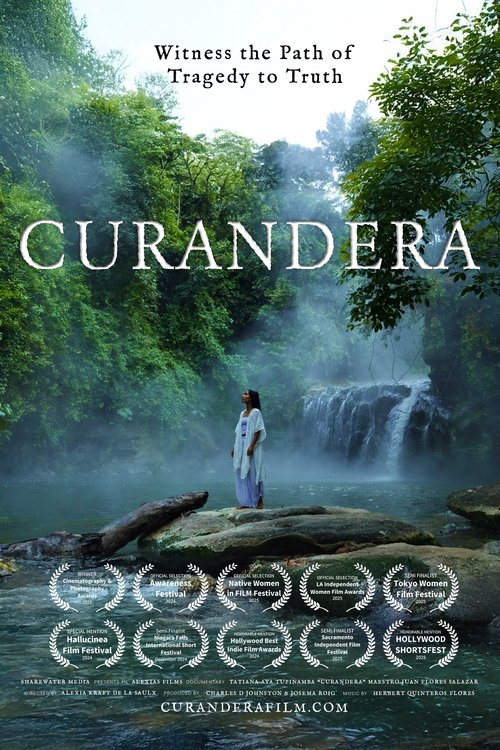
Curandera succeeds by shifting the focus away from a Western-centric narrative towards Indigenous perspectives. It centers Indigenous ability to act and challenges the dominance of Western institutional knowledge, providing a platform for non-Western identities. The film's strength lies in its elevation of Indigenous voices and female leadership. By focusing on the Ashaninka culture and the expertise of practitioners like Juan Flores, it moves beyond a Western-centric viewpoint. However, the documentary lacks representation for LGBTQ+ identities and does not address disabilities. The focus remains narrow on spiritual and botanical themes.
Category Breakdown
The film focuses on spiritual and botanical exploration. There is no explicit mention of LGBTQ+ characters or narratives about non-straight relationships.
The narrative centers on Tatiana Aya Tupinambá, a female protagonist. Her journey of self-discovery and leadership within Curanderismo challenges traditional patriarchal structures in spiritual leadership.
The documentary centers Indigenous Amazonian perspectives, specifically the Ashaninka culture. By prioritizing Indigenous knowledge and voices, the film avoids a Western-centric lens.
The film prioritizes Indigenous spirituality and plant-based healing over Western medical frameworks. It emphasizes ancestral wisdom and the vibrational medicine of Icaros.
The film explores spiritual healing and self-discovery. However, there is no specific evidence regarding the portrayal of visible or invisible disabilities as distinct character arcs.
Present on Screen
Limited or Absent
Official Synopsis
A documentary film about one woman's incredible life journey to meet and build a relationship with Ayahuasca. Her name is Tatiana Aya Tupinambá and she chose the path of an Ayahuasca curandera. Travel into the jungle with us near Pucallpa, Peru to meet Tatiana's Ashaninka teacher, Juan Flores. Experience the magical location of Mayantuyacu, where Tatiana's journey of self-discovery and healing blossomed. Mayantuyacu is a world famous healing center and is known for it's incredible unique geothermal river which is the largest boiling river on the planet. Learn about plant 'dietas', see the process of making Ayahuasca, and witness the fascinating practice that is 'Curanderismo', the way of healing in the Amazon rainforest. Understand how the Ayahuasca songs, Icaros, are learned from the plants and connect to force that these vibrational medicines carry.
2015
2016
2010
2019
1978
2015

2014
2016
No reviews yet. Be the first to share your thoughts on this movie!
Use the rating form above to leave a star rating and optional review.