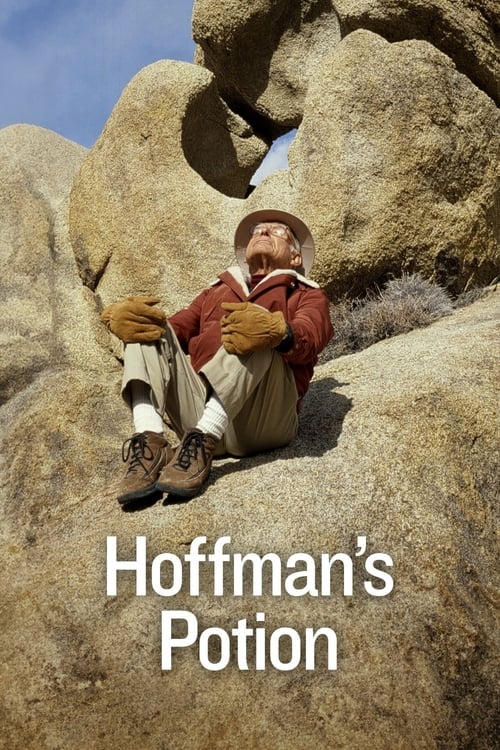
Hofmann's Potion: The Pioneers of LSD
2002
No user ratings available yet
Representation score: 7.3 out of 10
Representation Score
Fair
2008
Director
Peter von Puttkamer
Runtime
100 minutes
Average Rating
No ratings yetNew Showbiz Analysis
The documentary succeeds in deconstructing the Western scientific narrative by centering indigenous ritual and knowledge. It moves beyond a purely Anglo-centric view of progress, highlighting the importance of indigenous practices. However, the film remains tied to traditional masculine archetypes, presenting the 'explorer' through a lens of male-dominated scientific pursuits. Ultimately, the work serves as a bridge between Western science and non-Western spirituality, elevating indigenous practices as transformative forces.
Category Breakdown
The documentary focuses on ethnobotany and historical scientific discoveries. It lacks explicit narratives or character arcs centered on LGBTQ+ identities.
The narrative centers on male-dominated histories of botanical exploration. It reinforces traditional masculine archetypes of the adventurer and scientific explorer.
The film features high levels of ethnic diversity by documenting indigenous ceremonies. It centers non-Western knowledge rather than an Anglo-centric perspective.
The film prioritizes indigenous spirituality and shamanic wisdom over Western scientific approaches. It frames sacred plant use as a sophisticated way of knowing.
There is no discernible evidence regarding the portrayal of physical or neurodivergent disabilities.
Present on Screen
Limited or Absent
Official Synopsis
Plant Explorer Richard Evans Schultes was a real life Indiana Jones whose discoveries of hallucinogenic plants laid the foundation for the psychedelic sixties. Now in this two hour History Channel TV Special, his former student Wade Davis, follows in his footsteps to experience the discoveries that Schultes brought to the western world. Shot around the planet, from Canada to the Amazon, we experience rarely seen native hallucinogenic ceremonies and find out the true events leading up to the Psychedelic Sixties. Featuring author/adventurer Wade Davis ("Serpent and the Rainbow"), Dr. Andrew Weil, the Grateful Dead's Bob Weir and many others, this program tells the story of the discovery of peyote, magic mushrooms and beyond: one man's little known quest to classify the Plants of the Gods. Richard Evans Schultes revolutionized science and spawned another revolution he never imagined.
2002
2020

2010

2012
1986

2022

2011
2014
No reviews yet. Be the first to share your thoughts on this movie!
Use the rating form above to leave a star rating and optional review.