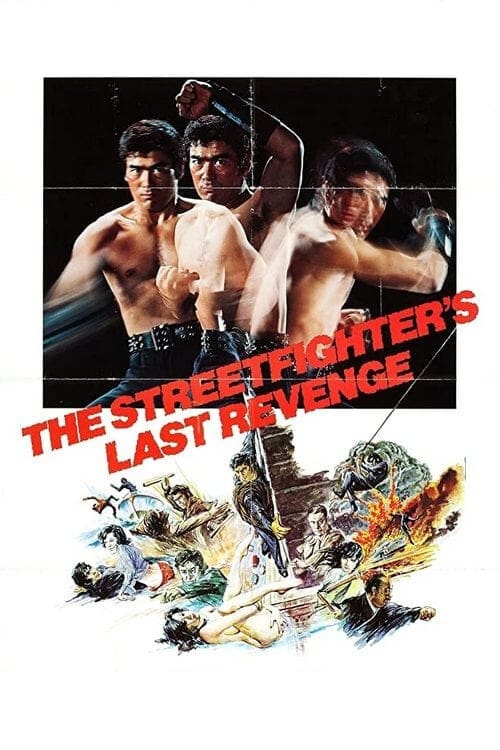
The Street Fighter's Last Revenge
1974
No user ratings available yet
Representation score: 2.5 out of 10
Representation Score
Minimal
1974
RDirector
Shigehiro Ozawa
Runtime
83 minutes
Average Rating
No ratings yetNew Showbiz Analysis
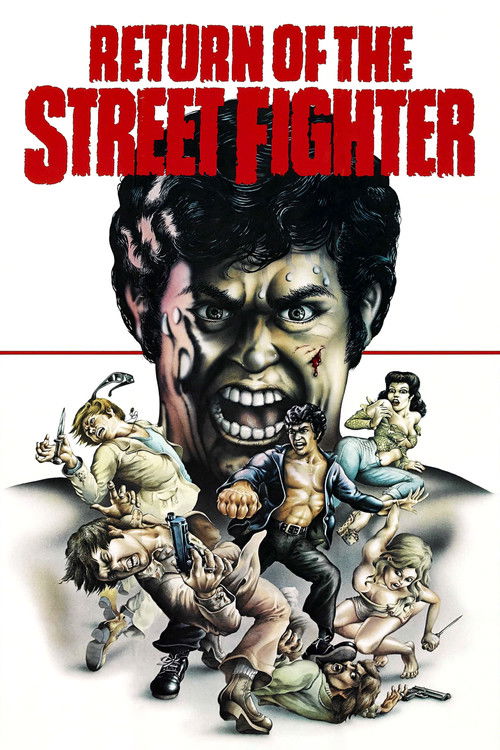
Return of the Street Fighter is a classic 1970s martial arts film that emphasizes physical mastery and traditional masculine ideals. The narrative structure adheres to established genre conventions that uphold existing social and gender hierarchies without challenging them. The film's narrow focus on a male protagonist's struggle against organized crime results in a highly localized and homogeneous social environment. While the plot touches on institutional corruption through the Yakuza, the moral framework remains centered on individual discipline, offering minimal engagement with diverse identities.
Category Breakdown
The film focuses solely on traditional masculine combat and martial arts discipline, with no depictions of non-binary or LGBTQ+ identities or same-sex relationships.
The narrative centers on a traditional male-dominated combat scenario, where female characters are absent from the main conflict, reinforcing typical gender stereotypes.
The cast is predominantly Japanese, with a lack of multicultural or diverse representation. The film does not feature multi-layered casting.
The story critiques Yakuza corruption and the misuse of charitable funds, but it focuses on individual martial discipline rather than broader cultural or Western critiques.
Characters are portrayed as physically perfect and combat-ready, with no depiction of physical or neurodivergent disabilities.
Present on Screen
Limited or Absent
Official Synopsis
Martial artist Takuma Tsurugi returns to take on a Yakuza family that may be embezzling money from charities to finance their own operations. Both the police and the Yakuza find themselves battling Tsurugi, but Tsurugi's fight ultimately is with the mob, and he concentrates on them.
1974
1974
1990

1972
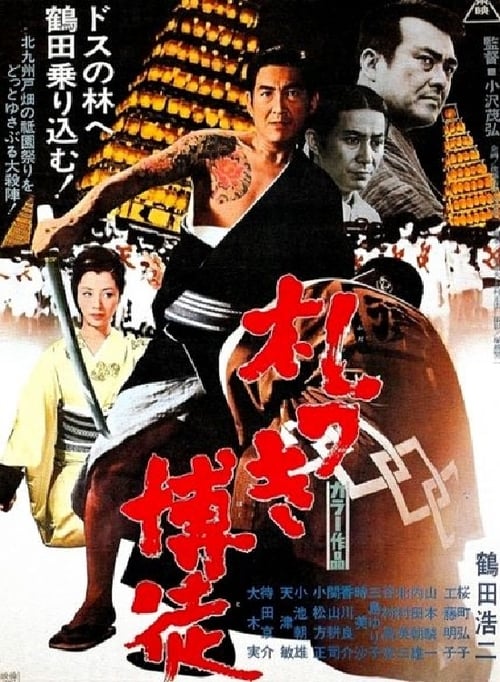
1970
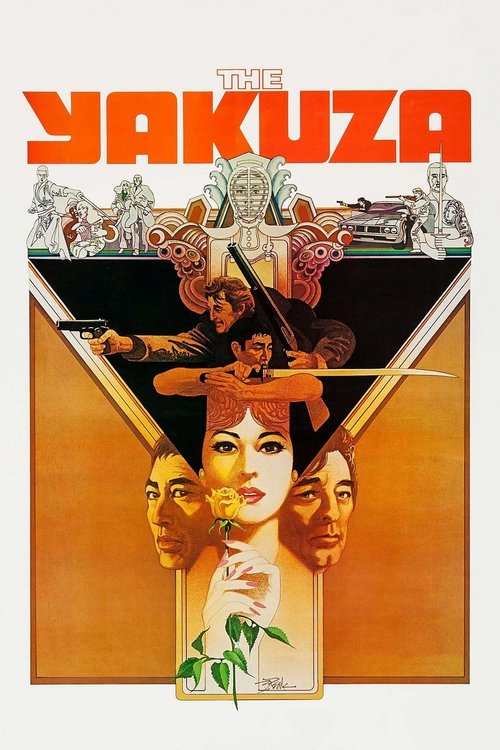
1974
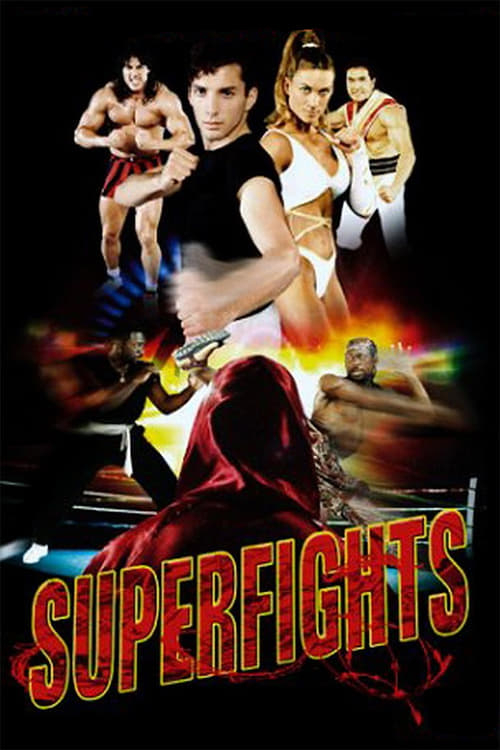
1995

1991
No reviews yet. Be the first to share your thoughts on this movie!
Use the rating form above to leave a star rating and optional review.