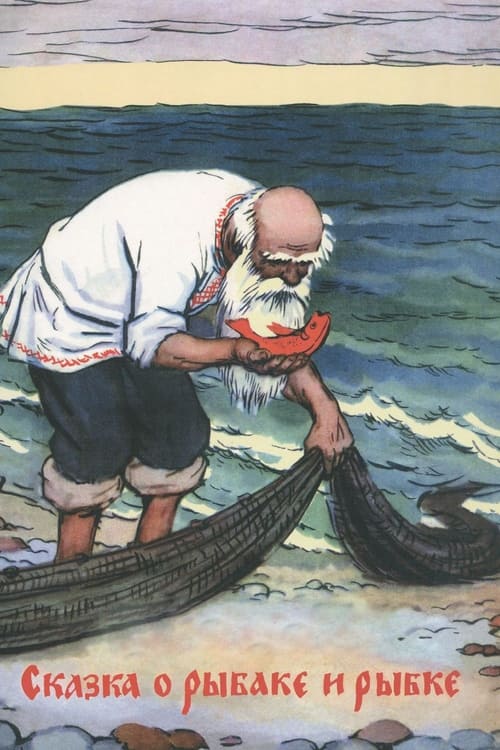
The Tale of the Fisherman and the Goldfish
1950
No user ratings available yet
Representation score: 2.9 out of 10
Representation Score
Limited
1952
Director
Mikhail Tsekhanovskiy
Runtime
31 minutes
Average Rating
No ratings yetNew Showbiz Analysis
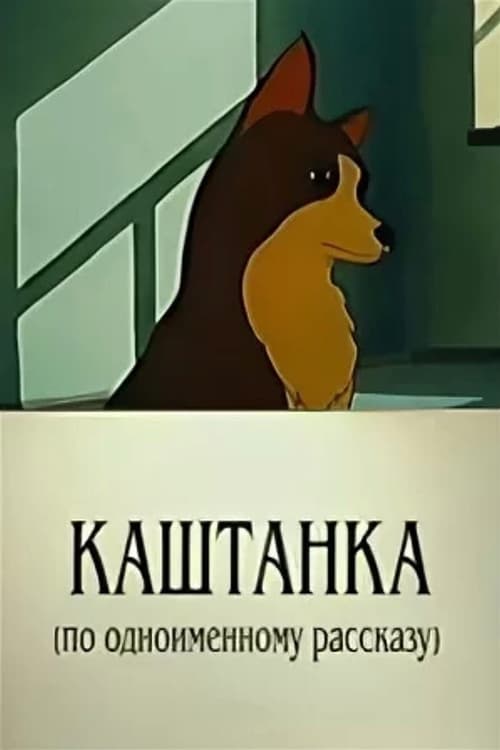
Kashtanka provides a distinctive cinematic experience by grounding its narrative in a collectivist, Soviet-era perspective. Unlike typical Western hero stories, it emphasizes social unity and domestic harmony. Though the film does not include contemporary markers like LGBTQ+ representation or visible disabilities, it challenges global cinematic norms by focusing on a non-Western cultural reality. Its strength lies in its cultural specificity and its emphasis on communal empathy, offering an alternative to individualistic capitalist clichés.
Category Breakdown
The film does not include any characters with non-binary genders or same-sex relationships. The story centers around the relationship between a dog and its human caregivers.
Gender roles are influenced by the canine protagonist. However, the kindly clown character embodies a nurturing, gentle masculinity that contrasts with typical hyper-masculine stereotypes.
The film portrays a localized Soviet Russian setting. Although it does not feature multiple ethnicities, it operates outside Western dominance by focusing on a non-Western cultural context.
The film highlights collectivist values and communal care. It avoids individualistic clichés and instead emphasizes domestic stability and socialist-era aesthetics.
There are no characters with physical or cognitive disabilities in the film.
Present on Screen
Limited or Absent
Official Synopsis
After getting lost in the street, a dog is adopted by a kindly clown.
1950
1981
1984
1973
1956
1964
1949

1986
No reviews yet. Be the first to share your thoughts on this movie!
Use the rating form above to leave a star rating and optional review.