Prairie Rustlers
1945
No user ratings available yet
Representation score: 1.8 out of 10
Representation Score
Minimal
1943
ApprovedDirector
Sam Newfield
Runtime
56 minutes
Average Rating
No ratings yetNew Showbiz Analysis
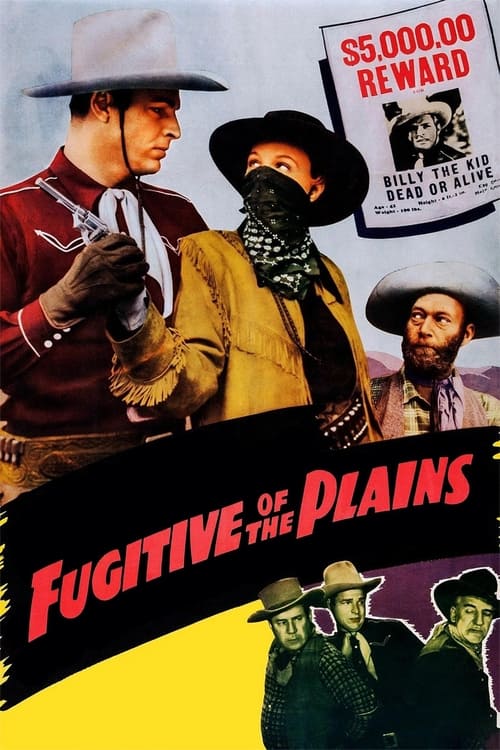
Fugitive of the Plains is a typical B-movie Western that emphasizes straightforward genre storytelling over complex social themes. While the presence of a female outlaw leader offers a minor shift from traditional male-dominated roles, the film primarily reinforces the cinematic conventions of the 1940s. The movie lacks depth in addressing multi-layered issues and does not challenge established social norms. It relies on familiar redemption and false accusation clichés common to low-budget Westerns of the time. Overall, the film serves as a traditional genre piece that reflects the limited progressive scope of early 1940s Westerns.
Category Breakdown
The film does not include any characters with non-binary or LGBTQ+ identities. It focuses on heterosexual relationships and assumes all characters are cisgender.
A female outlaw leader provides a minor change from typical male-dominated Western narratives. However, it is unclear if this role offers significant influence or merely follows a familiar cliché.
The story centers around Anglo-Saxon characters, reflecting the era's focus on white protagonists. There is no indication of diverse casting or ensemble work.
The film adheres to traditional Western values of individual justice and moral restoration. It does not challenge established institutions or cultural norms.
There are no characters with visible or invisible disabilities in the film. The narrative does not address disability issues.
Present on Screen
Limited or Absent
Official Synopsis
Billy joins an outlaw band led by woman to clear his name of their crimes, which are being blamed on him.
1945
1940
1941

1939
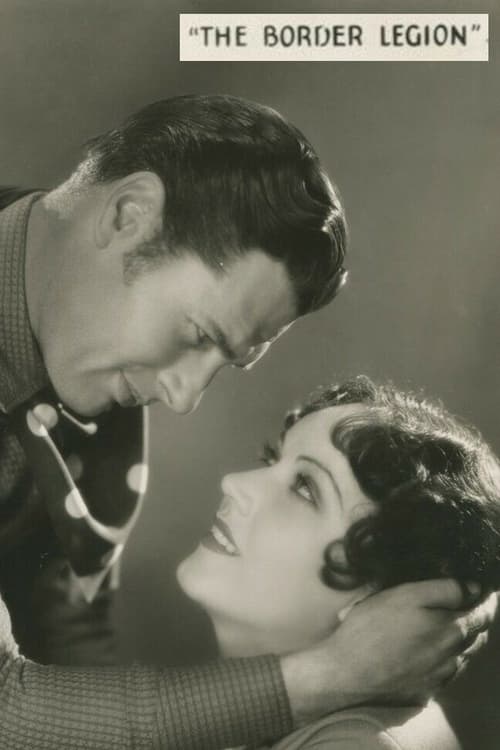
1930
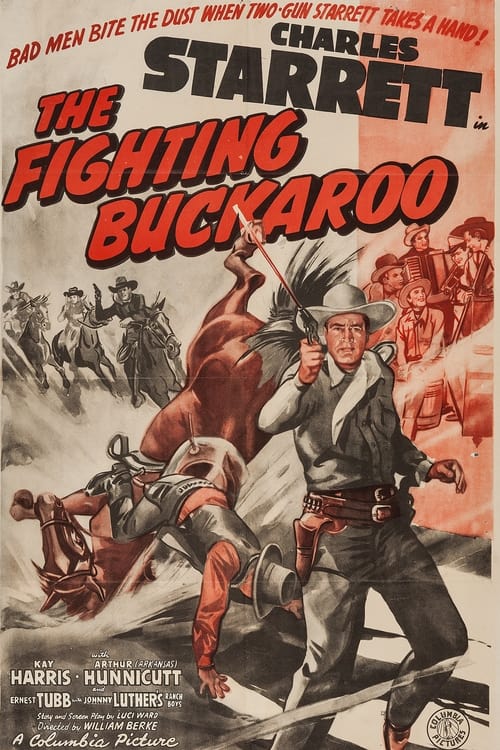
1943
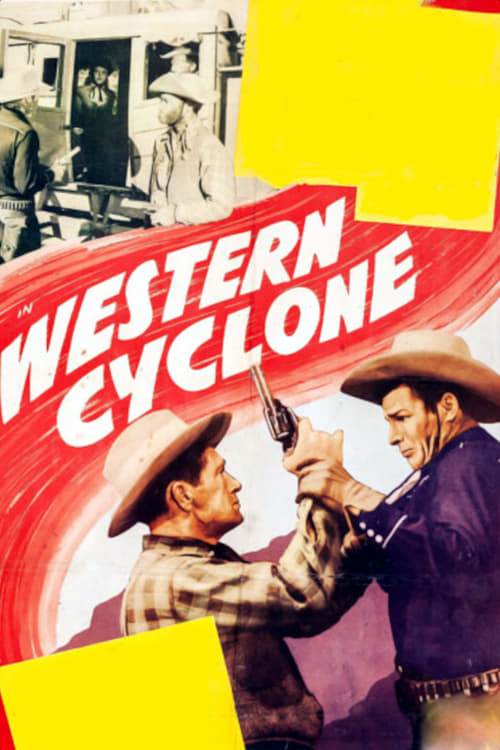
1943
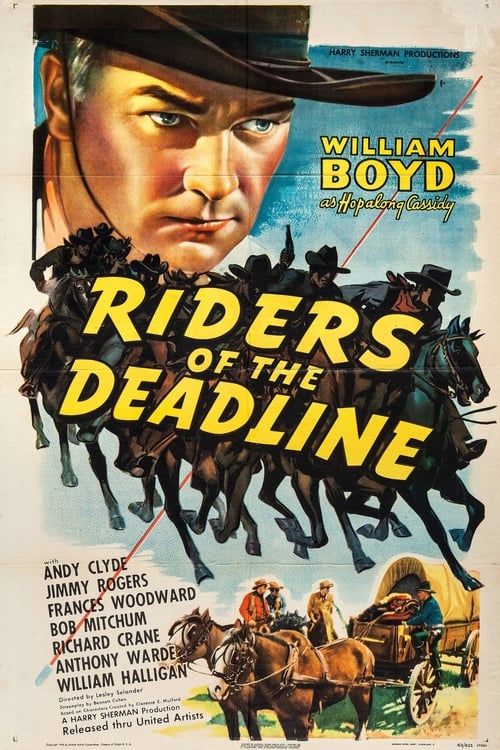
1943
No reviews yet. Be the first to share your thoughts on this movie!
Use the rating form above to leave a star rating and optional review.