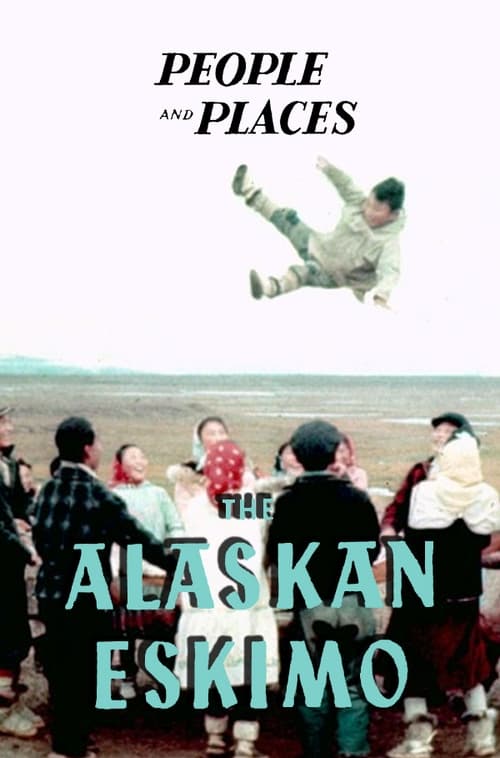
The Alaskan Eskimo
1953
No user ratings available yet
Representation score: 2.0 out of 10
Representation Score
Fair
1958
GDirector
Ben Sharpsteen
Runtime
29 minutes
Average Rating
No ratings yetNew Showbiz Analysis
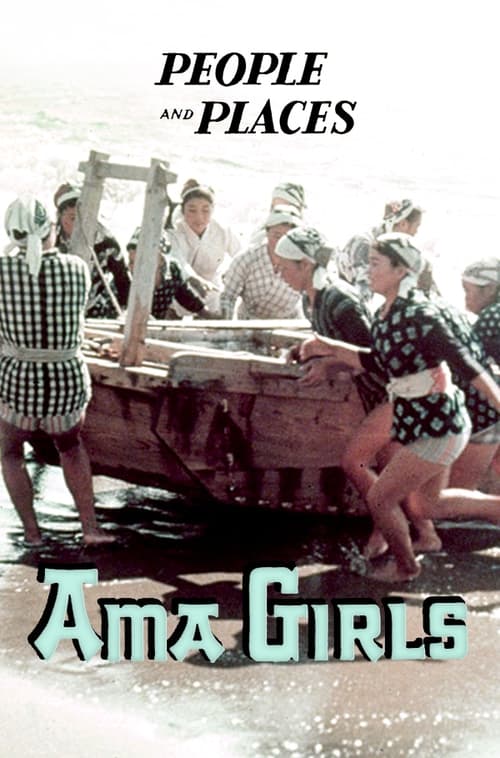
Ama Girls stands out for its era by centering women's ability to drive the story and providing visibility to Japanese cultural practices. By focusing on the skilled labor of ama divers, the film disrupts the typical male-dominated narratives of 1950s cinema. The documentary offers a nuanced look at a non-Western ethnic group, providing a departure from the era's standard Hollywood homogeneity. It highlights a communal way of life and specialized subsistence methods. However, the film remains an ethnographic study of its time. While it celebrates female strength and cultural specificity, it lacks representation of LGBTQ+ identities or disability narratives.
Category Breakdown
The film focuses on the traditional social structures of Japanese pearl divers. There are no characters or narratives addressing non-straight relationships or gender identities.
The narrative centers entirely on women, showcasing them as physically capable and economically vital. This challenges mid-century stereotypes by placing women in positions of specialized expertise.
The documentary provides significant visibility to a non-Western population. It moves away from the homogeneous Western perspectives common in 1950s American media.
The film studies a localized, traditional way of life and non-Western social structures. It offers a perspective that exists outside of Western industrial norms.
There is no documented evidence regarding the portrayal of characters with visible or invisible disabilities.
Present on Screen
Limited or Absent
Official Synopsis
Oscar winning documentary short from 1958
1953

1952

1939

1960

1954
1926

1965

1966
No reviews yet. Be the first to share your thoughts on this movie!
Use the rating form above to leave a star rating and optional review.