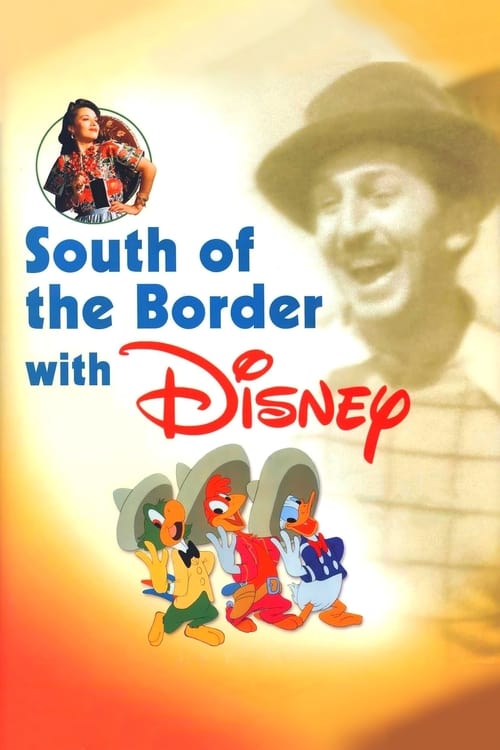
South of the Border with Disney
1942
No user ratings available yet
Representation score: 2.9 out of 10
Representation Score
Limited
1953
GDirector
James Algar
Runtime
27 minutes
Average Rating
No ratings yetNew Showbiz Analysis
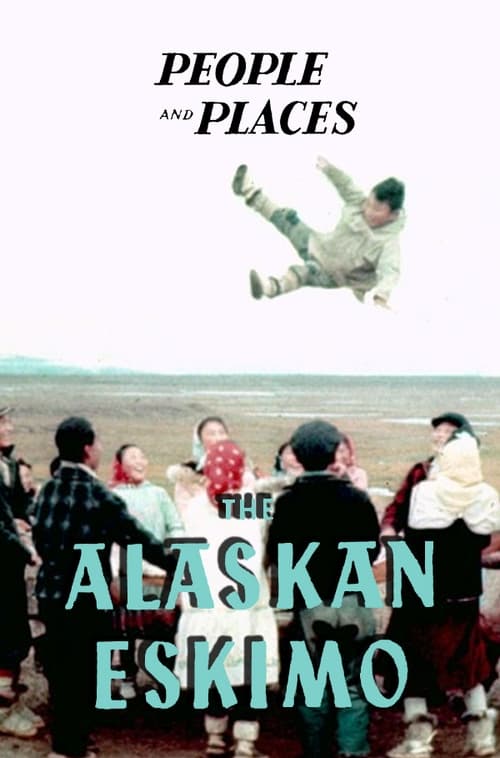
This film serves as a mid-century ethnographic document, offering significant ethnic diversity compared to typical 1950s Hollywood productions. By centering an Indigenous narrative, it provides a level of representation that was uncommon for its time. However, the film’s adherence to traditional gender roles and its lack of multi-layered themes limit its overall impact. The narrative structure relies on conventional survival clichés and cultural hierarchies, rather than challenging them. Ultimately, while it successfully documents a non-Western lifestyle, the Western observational lens and rigid social structures prevent a higher diversity score.
Category Breakdown
The film does not depict any non-binary gender identities or same-sex relationships. It follows the traditional heterosexual norms of the 1950s.
The story revolves around a young male character and his journey to adulthood. While it avoids obvious sexism, it upholds traditional gender roles and male-dominated survival scenarios.
The film highlights Indigenous Inuit characters and settings, providing a diverse ethnic presence. However, it often interprets the community from a Western perspective.
The movie portrays a traditional lifestyle outside Western capitalism, focusing on family bonds and communal unity. It emphasizes cultural traditions and social structures.
The film does not prominently feature any disabilities. Instead, it focuses on the physical challenges faced in the harsh Arctic environment.
Present on Screen
Limited or Absent
Official Synopsis
Oscar Winning short documentary
1942
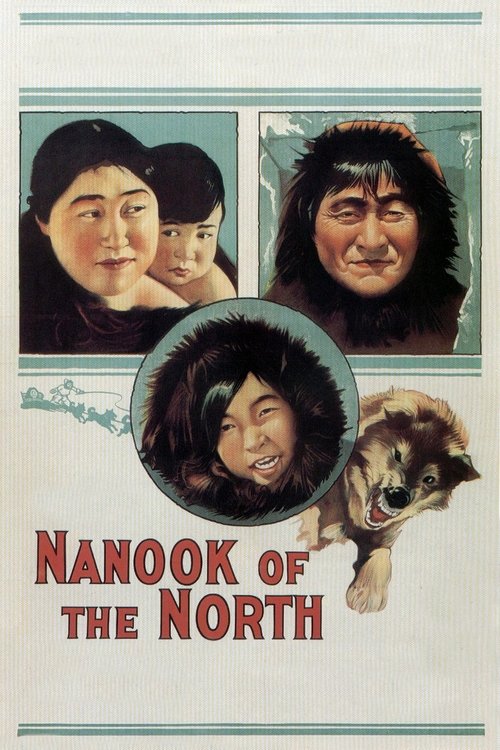
1922
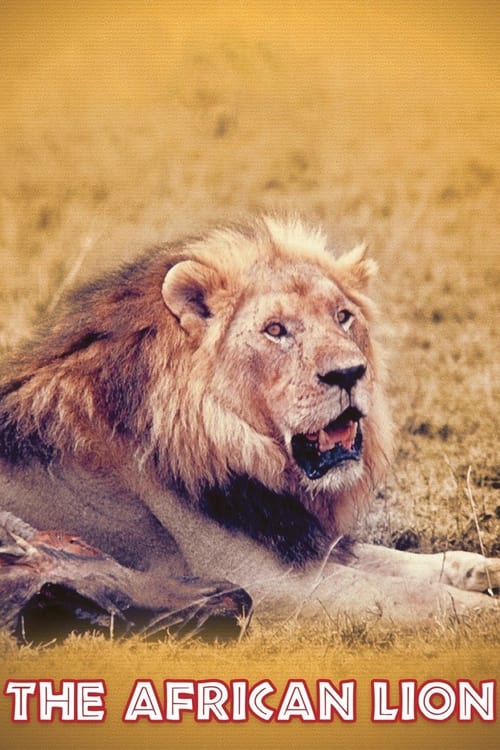
1955
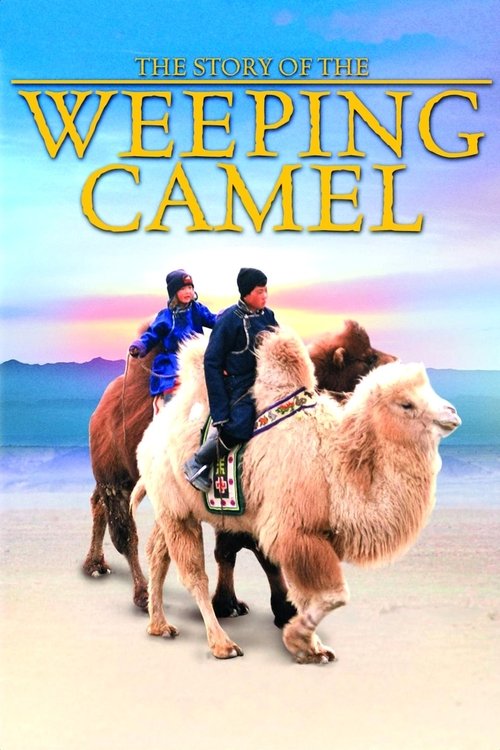
2004
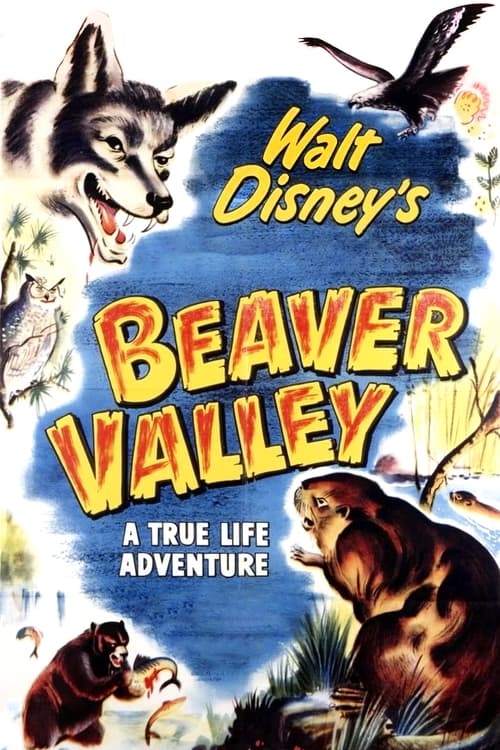
1950

2005
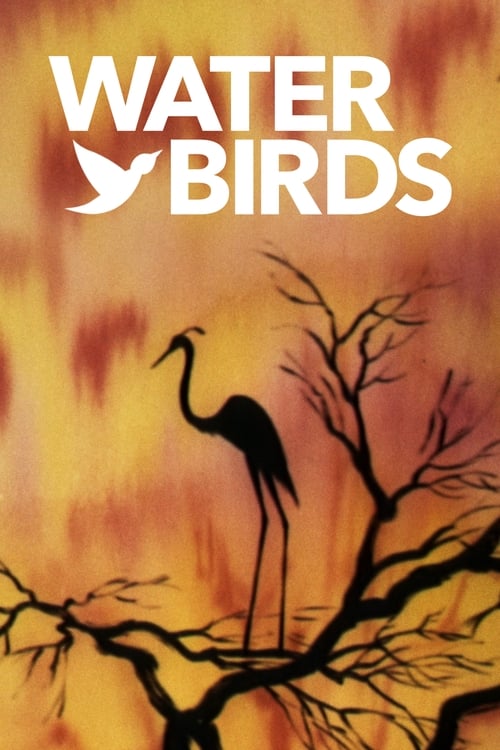
1952

1960
No reviews yet. Be the first to share your thoughts on this movie!
Use the rating form above to leave a star rating and optional review.