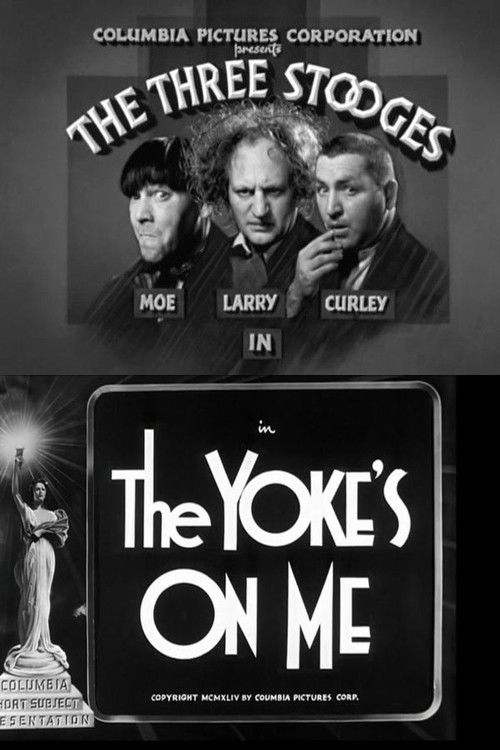
The Yoke's on Me
1944
No user ratings available yet
Representation score: 1.4 out of 10
Representation Score
Minimal
1943
NRDirector
Jules White
Runtime
17 minutes
Average Rating
No ratings yetNew Showbiz Analysis
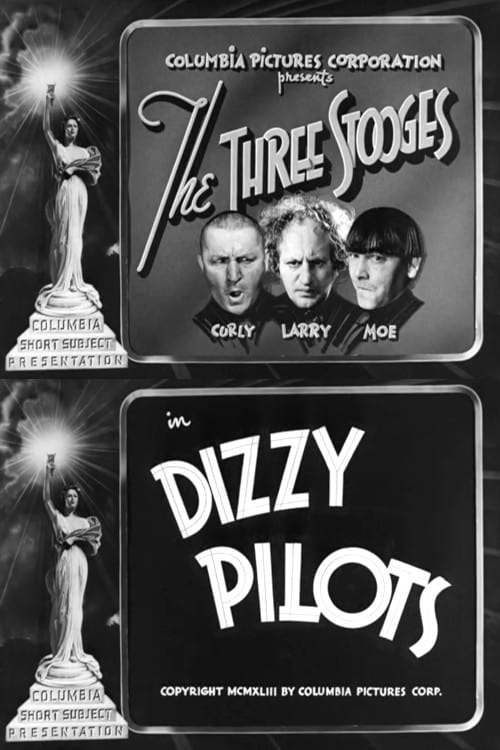
Dizzy Pilots is a typical product of its era, functioning mainly as slapstick entertainment. It relies on a homogeneous cast and traditional social structures that limit diverse perspectives. The narrative focuses on the Three Stooges' efforts to avoid the draft, presenting wartime duty through comedic incompetence. This narrows the story to a male-centric experience. Overall, the film lacks diverse representation, sticking to the demographic and social norms of 1940s American comedy shorts.
Category Breakdown
The film does not include any LGBTQ+ characters or explore non-straight relationships. The focus is solely on the physical comedy of the main trio.
Women are underrepresented and appear only as minor characters without significant roles. The story centers on male physical comedy and traditional gender roles.
The cast is entirely white, reflecting the demographics of the time. The narrative does not address racial diversity or intersecting identities.
The film highlights traditional patriotic themes and the importance of wartime service. It upholds Western ideals of duty and national responsibility.
Characters with disabilities are shown only for slapstick humor and do not have meaningful roles in the story. Physical mishaps are used for laughs rather than serious portrayal.
Present on Screen
Limited or Absent
Official Synopsis
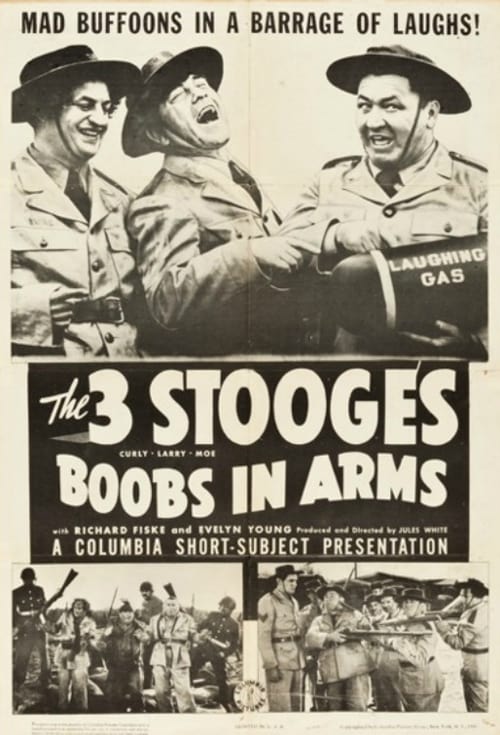
The Three Stooges, as the Wrong Brothers, aid the war effort by inventing a new plane in this below-average two-reel comedy. Actually, they are attempting to avoid the draft but when their plane, the Buzzard, fails miserably, they march off to war. Richard Fiske, formerly a busy supporting player in Stooges comedies, appears courtesy of stock footage from the earlier Boobs in Arms (1940). Ironically, Fiske had himself been drafted and would be killed in action in France in August of 1944.
1944
1939
1941
1938
1940
1973
1946
1943
No reviews yet. Be the first to share your thoughts on this movie!
Use the rating form above to leave a star rating and optional review.