The Accidental Twins
2024
No user ratings available yet
Representation score: 8.2 out of 10
Representation Score
Fair
1986
Director
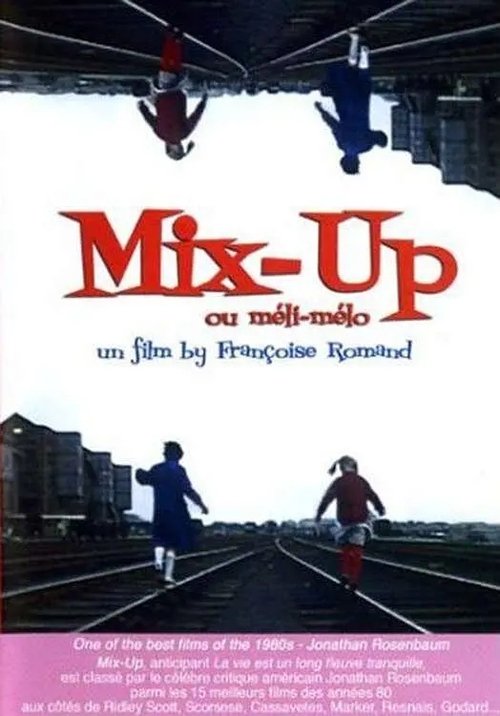
Françoise Romand
Runtime
62 minutes
Average Rating
No ratings yetNew Showbiz Analysis
Mix-Up is a psychological documentary that prioritizes the deconstruction of identity and kinship over broad demographic diversity. It succeeds in centering women's ability to drive the story and questioning the stability of the traditional family unit through a unique, reenactment-heavy investigative style. However, the film's scope is limited by its focus on a specific, homogeneous English demographic. This results in low scores for racial and ethnic diversity, as the narrative remains centered on a singular social phenomenon. Ultimately, the work functions as a study of systemic error and emotional history rather than a vehicle for diverse representation, making it a specialized character study rather than a broad social tapestry.
Category Breakdown
The film does not include explicit LGBTQ+ characters or narratives. It explores non-traditional kinship but does not actively question the assumption that everyone is straight or cisgender.
The narrative centers on two women, who play a significant role in driving the story. This disrupts patriarchal storytelling, although the interpersonal dynamics with men are not specified.
The story focuses on English families within a specific domestic context. The demographic appears homogeneous, with no evidence of racial blending or diverse casting.
The film challenges the sanctity of the nuclear family and biological lineage. It prioritizes psychological truth and emotional history over rigid, traditional social structures.
The documentary explores psychological trauma and identity crises. However, there is no specific evidence regarding the portrayal of physical or neurodivergent disabilities.
Present on Screen
Limited or Absent
Official Synopsis
One of the most remarkable and innovative documentaries ever made, this film follows the famous true story of two English women who as babies got switched in the hospital and 20 years later discovered that they'd been raised by the wrong sets of parents. Romand enlists all the surviving family members in her haunting and bizarre investigation, which involves not only a recounting but a reenactment of all the significant events in the two daughters' emotional histories.
2024

2015
2013

2011
1991
1978
2007
2010
No reviews yet. Be the first to share your thoughts on this movie!
Use the rating form above to leave a star rating and optional review.