
A Story of One's Own
2021
No user ratings available yet
Representation score: 9.4 out of 10
Representation Score
Good
1991
Director
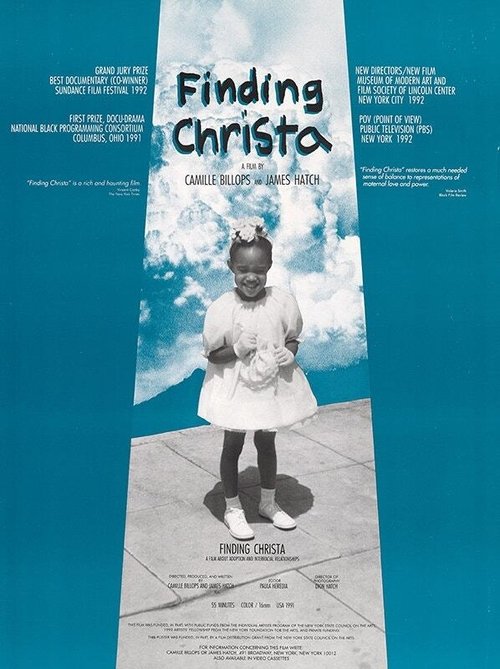
Camille Billops, James Hatch
Runtime
55 minutes
Average Rating
No ratings yetNew Showbiz Analysis
Finding Christa is a sophisticated film that challenges conventional motherhood themes. By using personal testimonies, the film shifts the focus from the observer to the observed, providing a deep look into personal and systemic histories. The documentary stands out by avoiding traditional Western social hierarchies. It offers a nuanced exploration of identity and personal control, moving beyond surface-level representation. While the film excels in representing racial and gender diversity, it lacks explicit LGBTQ+ presence. However, its dedication to highlighting underrepresented voices and questioning domestic archetypes creates a powerful narrative.
Category Breakdown
The documentary focuses mainly on maternal and familial bonds. There is no explicit focus on LGBTQ narratives or non-cisgender identities within the main storyline.
The film centers the Black female experience, emphasizing women's roles and emotional depth. It challenges traditional patriarchal structures and the male perspective by highlighting female viewpoints.
The work excels by focusing on Black womanhood through oral histories and personal stories. It avoids the white perspective, treating racial identity as a fundamental part of lived experiences.
The narrative questions Western ideas of the nuclear family and biological maternal duties. It challenges traditional moral views by presenting adoption through personal choice and institutional complexities.
There is no significant portrayal of characters with visible or invisible disabilities as central plot devices.
Present on Screen
Limited or Absent
Official Synopsis
A filmmaker reunites with the daughter she gave up for adoption twenty years later.
2021
2020

2016

2023
1992

2015

2007
1995
No reviews yet. Be the first to share your thoughts on this movie!
Use the rating form above to leave a star rating and optional review.