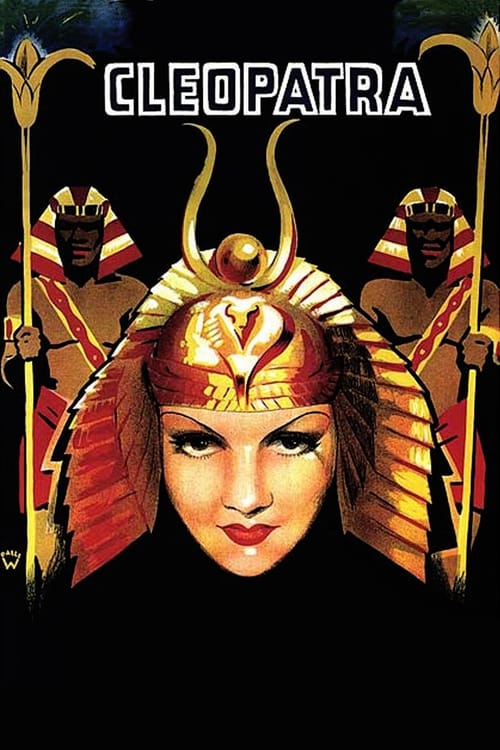
Cleopatra
1934
No user ratings available yet
Representation score: 1.7 out of 10
Representation Score
Minimal
1922
Director
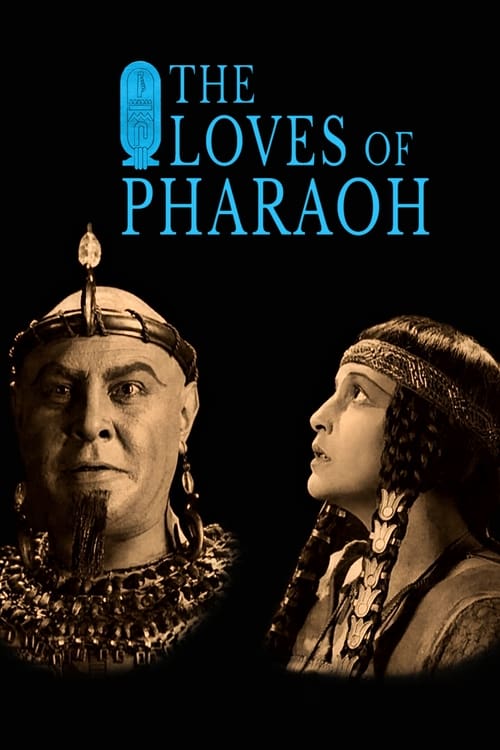
Ernst Lubitsch
Runtime
100 minutes
Average Rating
No ratings yetNew Showbiz Analysis
Ernst Lubitsch’s silent epic emphasizes grand spectacle and romantic melodrama over diverse representation. The narrative structure reinforces traditional hierarchies, focusing on the passions of the ruling class. While the film includes a strong female lead, the extensive use of whitewashing significantly diminishes its cultural authenticity. The production serves as a historical fantasy viewed through a contemporary European lens. Ultimately, the film fails to challenge conventional social or ethnic boundaries, reflecting early 20th-century cinematic norms.
Category Breakdown
The film focuses on a traditional romantic triangle centered around heterosexual relationships. There are no representations of same-sex intimacy or non-cisgender identities.
Queen Anida provides opportunities for women to take active roles within the drama. However, her influence remains tied to romantic conflicts and traditional power structures.
The production casts exclusively European actors to play North African and Nilotic characters. This practice perpetuates historical whitewashing and reinforces Eurocentric casting norms.
The story examines tensions between personal desires and societal duties within a hierarchical society. It adheres to historical romance conventions without offering modern critiques.
The film lacks any representation of physical, sensory, or neurodivergent identities within its main character arcs.
Present on Screen
Limited or Absent
Official Synopsis
The Ethiopian King offers his daughter to a powerful Pharaoh to secure peace between the two countries.
1934

1954
1937
1916
1959
1934
1936
1934
No reviews yet. Be the first to share your thoughts on this movie!
Use the rating form above to leave a star rating and optional review.