
Sons o' Guns
1936
No user ratings available yet
Representation score: 0.6 out of 10
No Poster Available
Representation Score
Minimal
1930
PassedDirector
Mark Sandrich
Runtime
20 minutes
Average Rating
No ratings yetNew Showbiz Analysis
General Ginsberg is a product of early sound-era comedy, prioritizing genre standards over social critique. While it offers some ethnic representation, it stays true to the traditional hierarchies of the early 20th century. The film's main contribution to diversity is the presence of a Jewish protagonist, which was uncommon for 1930s cinema. However, this character's identity is mostly used for comedic relief rather than deep character development. Overall, the film serves as light-hearted entertainment that upholds the social and gender norms of its time, without challenging established power structures.
Category Breakdown
The film follows the social norms of 1930, showing no signs of LGBTQ+ identities or same-sex relationships.
The movie sticks to traditional gender roles without challenging these norms or giving female characters much control over their stories.
The film includes a Jewish protagonist, providing ethnic representation for the time. However, his identity is used mainly for comedic situations rather than deeper exploration.
The story upholds social stability and upper-class ideals, reinforcing standard norms without critiquing Western institutions.
Disabilities are used for comedic purposes, with the protagonist's struggles serving as jokes rather than serious portrayals.
Present on Screen
Limited or Absent
Official Synopsis
Private Ginsberg (Nat Carr), is a Jewish soldier, in World War One, who is always falling into mud or grief. Along the way, he unconsciously, as a buck private, puts on the overcoat belonging to a General, and takes full advantage of the favorable situations he encounters, although he knows no reason why his status has changed.
1936
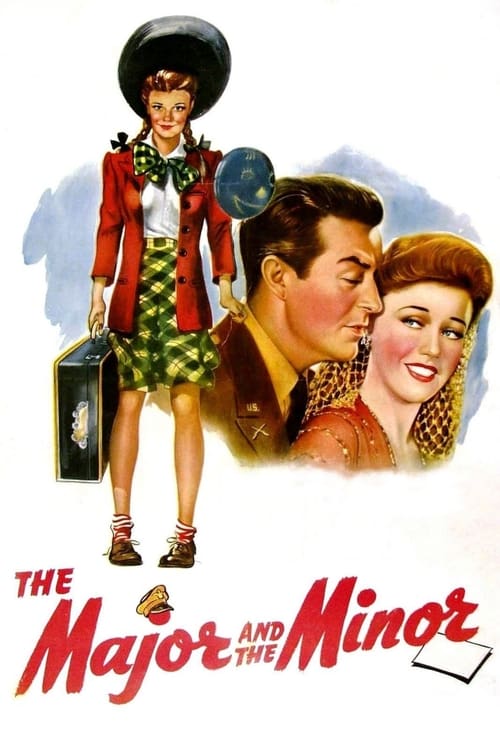
1942
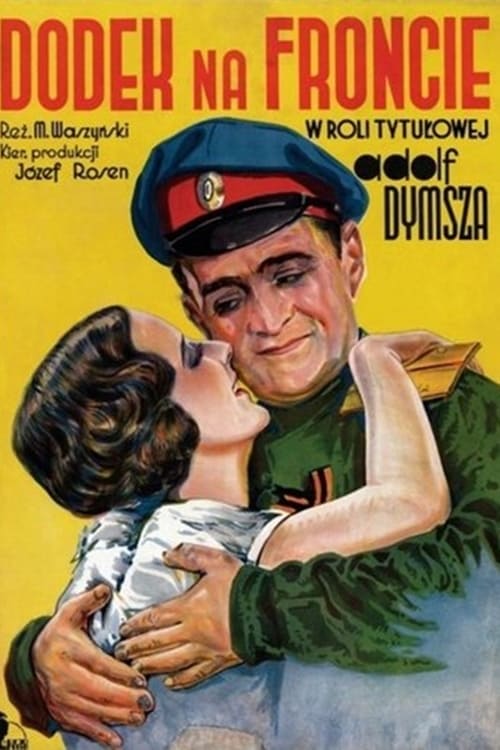
1936
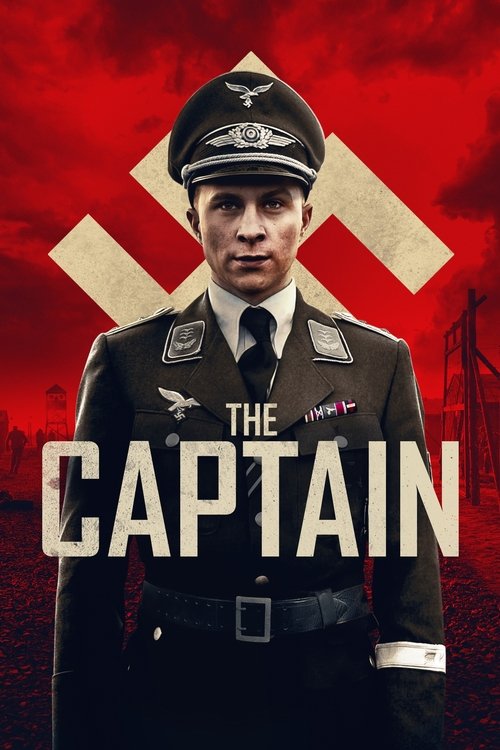
2018
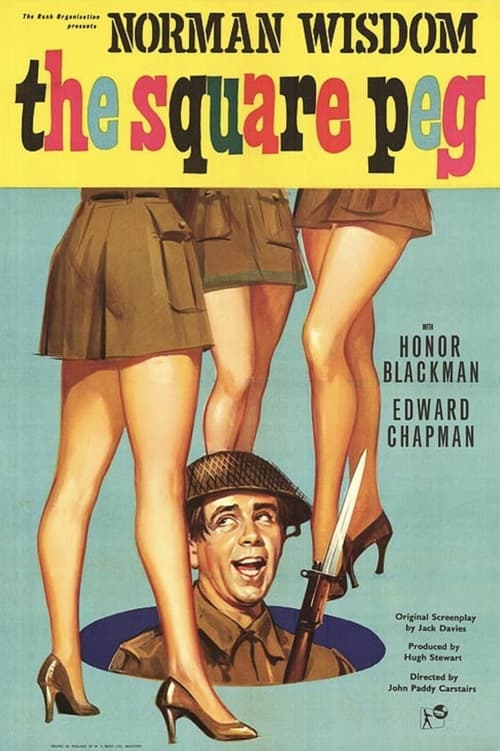
1958
1940

1926
1931
No reviews yet. Be the first to share your thoughts on this movie!
Use the rating form above to leave a star rating and optional review.