
El bolero de Raquel
1957
No user ratings available yet
Diversity score: 5.1 out of 10
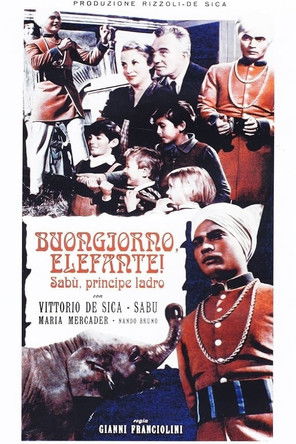
1952
ApprovedDirector
Gianni Franciolini
Runtime
83 minutes
Average Rating
No ratings yetSynopsis
Vittorio De Sica is a teacher struggling to take care of his family and always dreaming that Parliament will increase the salaries for teachers and life will become easier for his wife, Maria Mereander, and kids. An Indian prince (Sabu) visits Italy, is assisted by the teacher and gives De Sica a baby elephant as a reward. This upsets the landlord, Nando Bruno, the other tenants, and the neighborhood. He takes the elephant away but, like Lassie, it comes home.
Overall Score
Fair
Category Breakdown
LGBTQ+ Representation
The film lacks LGBTQ+ characters or narratives. It focuses on a traditional nuclear family structure centered around the protagonist and his wife.
Gender Representation
The story emphasizes the male protagonist's struggle as a provider. While the wife is central to his domestic life, the plot's primary agency rests with the men.
Racial & Ethnic Diversity
The inclusion of an Indian prince played by Sabu introduces significant cultural intersectionality. This non-Western presence disrupts the homogeneous social fabric of the Italian neighborhood.
Religious & Cultural Diversity
The narrative critiques economic structures and the inadequacy of state institutions. However, it remains grounded in a traditional social framework rather than deconstructing Western values.
Disability Representation
There is no information regarding the portrayal of visible or invisible disabilities in this film.
Strengths
Areas for Improvement
AI Analysis
Hello Elephant (1952) is a product of its era, reflecting mid-century social hierarchies and traditional family dynamics. The film's primary strength lies in its use of an international character to disrupt a domestic setting, providing a rare moment of racial intersectionality for the period. However, the film adheres strictly to conventional gender roles, centering the narrative on male professional struggles and breadwinning. The domestic sphere is depicted through a traditional lens, offering little agency to female characters or queer identities. Ultimately, while the film introduces non-Western elements through Sabu's character, it remains a conservative social comedy that reinforces existing class and gender structures.
1957
1953

1956
1962
1957
1972
1957
1961
1953
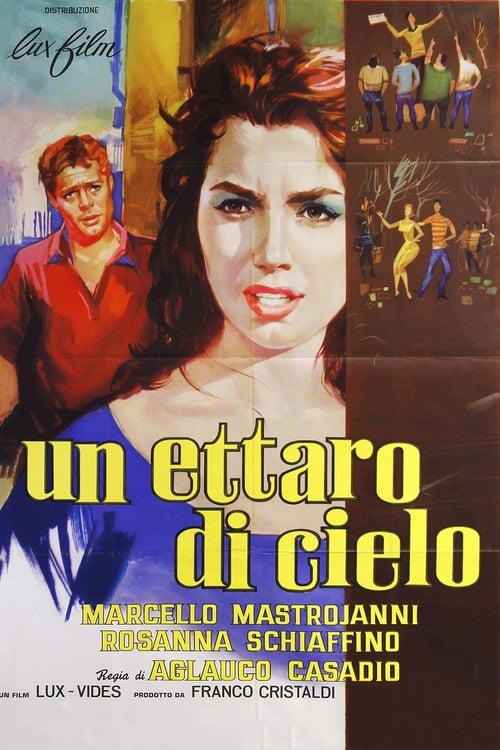
1958
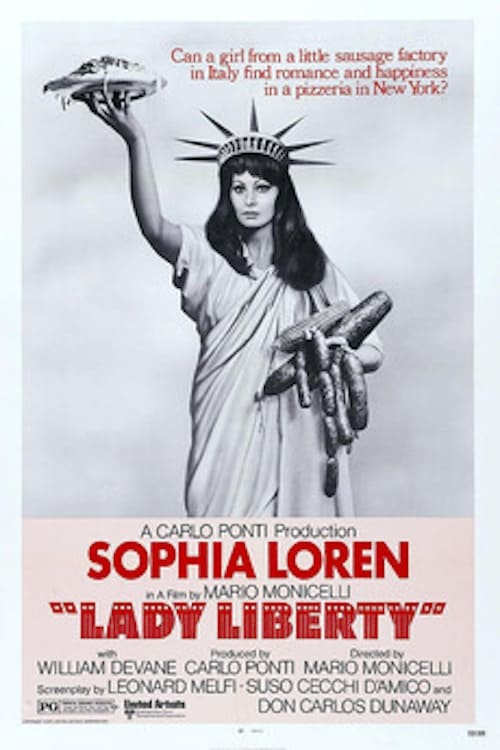
1971
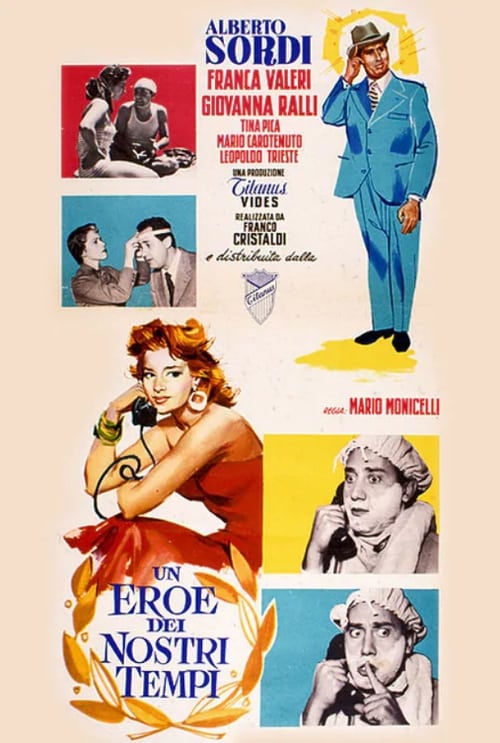
1955
No reviews yet. Be the first to share your thoughts on this movie!
Use the rating form above to leave a star rating and optional review.