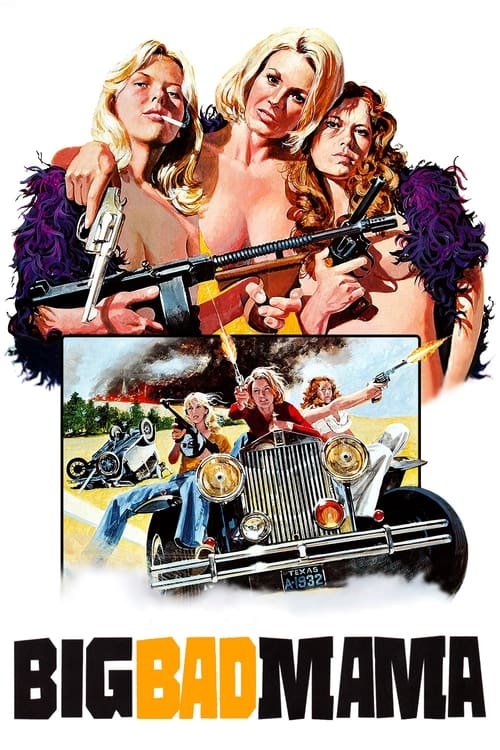
Big Bad Mama
1974
No user ratings available yet
Representation score: 4.9 out of 10
Representation Score
Fair
1975
PGDirector
Jonathan Demme
Runtime
83 minutes
Average Rating
No ratings yetNew Showbiz Analysis
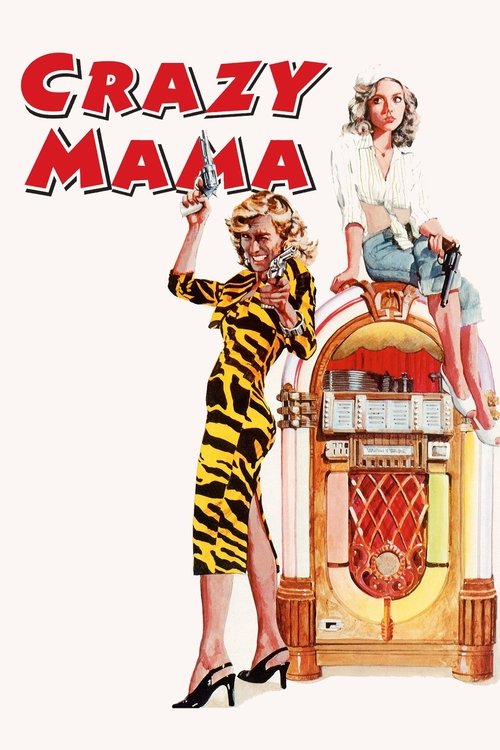
Crazy Mama stands out as a significant deconstruction of the Western genre. By centering a multi-generational Black female ensemble, it challenges the historical dominance of white male protagonists in frontier stories. The film excels in racial and gender representation, using familiar Western clichés to reclaim the outlaw archetype for characters of color. The protagonists play a significant role in driving the story, effectively displacing male authority figures. While the film is groundbreaking for its disruption of power dynamics, it lacks representation of LGBTQ+ and disability-specific narratives.
Category Breakdown
The film does not include explicit LGBTQ+ characters or explore non-straight relationships. The story centers on the bond between three women.
The film challenges traditional gender roles by focusing on strong, capable women who drive the plot through their ingenuity and actions.
By featuring a predominantly Black cast in a Western setting, the film reclaims the outlaw archetype, disrupting traditional racial roles.
The story portrays the protagonists' criminal activities as a form of resistance against systemic displacement. It highlights the survival of a underrepresented community.
There are no prominent characters with visible or invisible disabilities that impact the narrative.
Present on Screen
Limited or Absent
Official Synopsis
Melba Stokes, her mother Sheba and daughter Cheryl embark on a crime spree after their California beauty parlor is repossessed. Their destination is Arkansas, where the three generations of women want to reclaim the family farm.
1974
1974
1972
1970
1996
1977
No reviews yet. Be the first to share your thoughts on this movie!
Use the rating form above to leave a star rating and optional review.