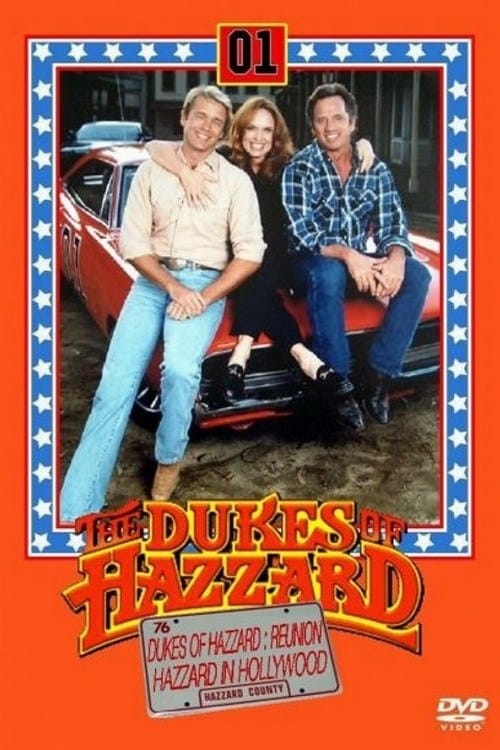
The Dukes of Hazzard: Hazzard in Hollywood
2000
No user ratings available yet
Representation score: 0.7 out of 10
Representation Score
Good
1996
RDirector
Lisa Gottlieb
Runtime
100 minutes
Average Rating
No ratings yetNew Showbiz Analysis
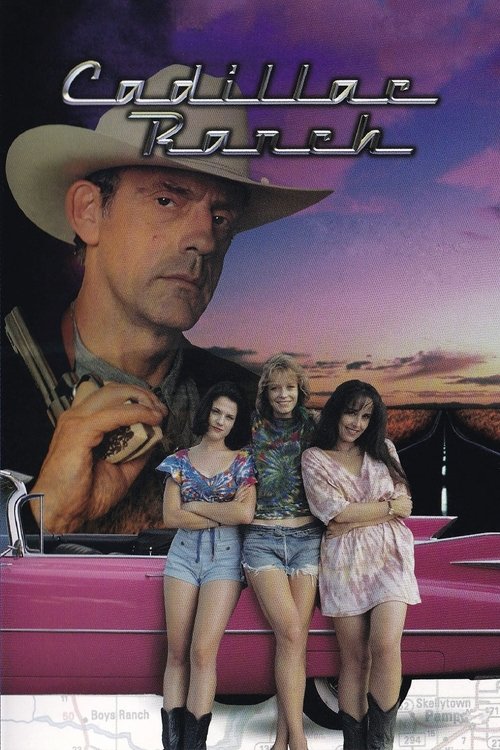
Cadillac Ranch distinguishes itself with its focus on female protagonists. By placing three sisters at the heart of a high-stakes adventure, the film breaks away from the predominantly male-centered narratives common in 1990s cinema. The sisters' actions are driven by their own decisions rather than being passive participants. However, the film falls short in other areas of representation. There is no visible evidence of LGBTQ+ identities or disability representation. The racial and ethnic diversity seems limited, reflecting the typical demographic makeup of its time. Overall, the film excels as a character-driven exploration of female autonomy. It replaces traditional family structures with a sisterhood characterized by shared ability to act and a mutual distrust of institutional stability.
Category Breakdown
The film does not include any explicit LGBTQ+ characters or narratives centered around non-straight relationships.
Three sisters take charge of the plot through their own actions, subverting traditional action-adventure stories that typically feature male protagonists.
The Texas setting does not provide clear evidence of a diverse cast. The film follows a demographic distribution typical of mid-1990s genre films.
The story examines skepticism towards formal institutions and authority. The protagonists navigate a broken family unit and unconventional moral beliefs.
There is no indication of visible or invisible disabilities among the main characters.
Present on Screen
Limited or Absent
Official Synopsis
Lying, stealing, and charming their way through the state in a quest for the truth about their convict dad and his stash of cash, three sisters turn Texas upside down in just 48 hours.
2000
1974

1975
2009
1995
1994

2023

2012
No reviews yet. Be the first to share your thoughts on this movie!
Use the rating form above to leave a star rating and optional review.