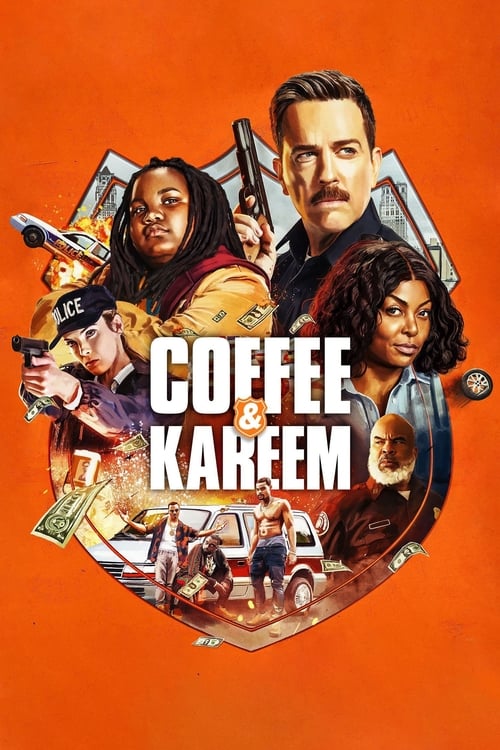
Coffee & Kareem
2020
No user ratings available yet
Representation score: 3.6 out of 10

Representation Score
Minimal
2012
RDirector
Barry Battles
Runtime
98 minutes
Average Rating
No ratings yetNew Showbiz Analysis
The Baytown Outlaws is a genre-focused film that emphasizes traditional character types over diverse social or identity representations. The narrative centers on a homogeneous, white, rural cast, limiting the range of social landscapes shown. Men dominate the plot, while women have limited roles and rarely act independently. The lack of diverse representation across most categories results in a narrow demographic focus. Overall, the film serves as a conventional action-comedy, using well-known clichés to deliver entertainment rather than exploring diverse perspectives or challenging social norms.
Category Breakdown
The film does not include any LGBTQ+ characters or those with non-traditional gender identities. It focuses on a male-dominated ensemble.
Male characters drive the story, while females play secondary roles and rarely act independently. They mostly influence the male characters' actions.
The film features a predominantly white cast from a rural area. There is no diversity in ethnicity or cultural backgrounds.
The story revolves around outlaws and crime through a morally relative lens. It emphasizes action over critical views of institutions or economic systems.
There are no characters with physical, cognitive, or mental health disabilities in the film.
Present on Screen
Limited or Absent
Official Synopsis
When three redneck brothers agree to help a woman save her son from an abusive father, they become targets on the run from an odd cast of characters.
2020
1974
2012
2004
2020

1974
2015
2006
No reviews yet. Be the first to share your thoughts on this movie!
Use the rating form above to leave a star rating and optional review.