
11 Harrowhouse
1974
No user ratings available yet
Representation score: 2.4 out of 10
Representation Score
Fair
1972
Director
Denys Arcand
Runtime
100 minutes
Average Rating
No ratings yetNew Showbiz Analysis
Denys Arcand uses the crime genre to critique societal issues rather than focusing on identity-based representation. The main focus is the tension between socioeconomic hardship and institutional power. While the film lacks significant markers in LGBTQ+ or racial diversity, it excels in its cultural critique. It challenges the sanctity of private property and the stability of class hierarchies through its anti-capitalist themes. Ultimately, the film serves as a study of systemic necessity, deconstructing the perceived stability of the socioeconomic order, making it a culturally significant piece of Québécois cinema despite its limited demographic scope.
Category Breakdown
The film does not include explicit queer narratives or characters with non-binary gender identities. Its focus is on a crime-driven plot that emphasizes traditional heterosexual relationships.
The story centers around male characters within a traditional crime drama framework. It does not challenge traditional gender roles or depict masculinity in a nuanced way.
The film is set in a specific Québécois context and reflects the demographics of 1970s Quebec without emphasizing diverse ethnic backgrounds.
The movie provides a sophisticated critique of Western capitalism and class structures. It portrays crime as a result of socioeconomic disparities rather than a simple moral issue.
There is no indication of characters with physical or neurodivergent disabilities in the film.
Present on Screen
Limited or Absent
Official Synopsis
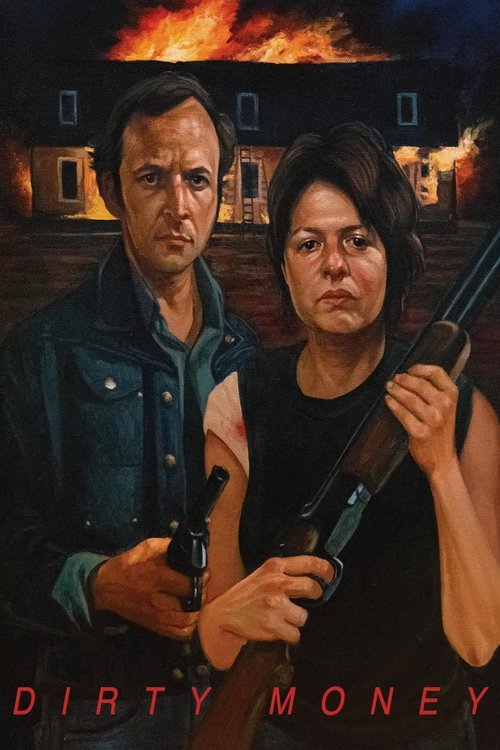
A robbery at the secluded country home of a wealthy old man goes horribly awry.
1974

1972

1967

1972

1964

1972
1967

1985
No reviews yet. Be the first to share your thoughts on this movie!
Use the rating form above to leave a star rating and optional review.