
Lost in Beijing
2007
No user ratings available yet
Representation score: 5.3 out of 10
Representation Score
Fair
1999
Director
Julian Lee
Runtime
98 minutes
Average Rating
No ratings yetNew Showbiz Analysis
The film uses a chaotic train crash to connect various social classes, breaking down traditional storytelling hierarchies. It presents characters navigating loneliness and desire through a fragmented perspective. While the film allows women and non-traditional relationships to drive their own paths, it still adheres to certain stylistic conventions of its time. The exploration of regional identities offers a nuanced view of identity. Ultimately, the film examines human connections amid instability, challenging conventional domestic and moral structures through shifting social boundaries.
Category Breakdown
The film includes a steamy relationship between Ben Ng and Wong Hei, which deviates from typical heterosexual romance clichés.
women's ability to drive the story is a key component, highlighted through Gigi Lai’s emotional independence and her influence over the male protagonist. This shifts the narrative control away from traditional male dominance.
The story weaves together characters from both Mainland China and Hong Kong, creating a rich tapestry of regional identities. This approach avoids a simplistic portrayal of Chinese identity by incorporating cross-border experiences.
The film delves into moral relativism and subjective desires, focusing on urban loneliness and the transactional nature of human connections in a chaotic world.
There is no evident depiction of physical or neurodivergent disabilities in the film.
Present on Screen
Limited or Absent
Official Synopsis
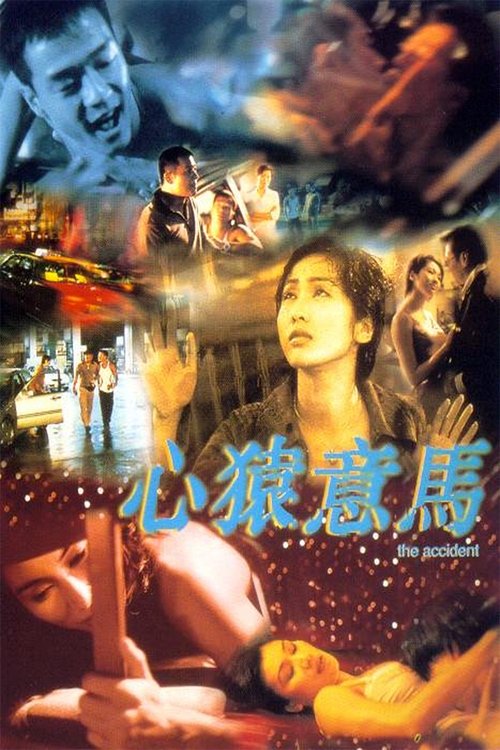
Three loosely related stories about love, loneliness and desire, held together by one central event (a train accident) that sets these characters in motion. Andrew Lin Hoi is a mainland tour guide who’s stranded in China when the accident happens. He was supposed to pick up his visiting girlfriend Gigi Lai, but instead he gets stuck in a hotel where a Category 3 film is being filmed. There he strikes up a quick connection with the leading lady, who offers him a role in a graphic love scene with her. Meanwhile, Gigi has arrived in HK only to find herself alone with no one to turn to. Depressed and despondent, she takes comfort in the attentions of a lonely older man played by Patrick Tse Yin. The third and most interesting affair occurs between taxi driver Ben Ng and mainland hustler Wong Hei. The two hook up outside the train station and fight and fume in between steamy couplings.
2007

2005

2010

1996

2011

1992

1999

2002
No reviews yet. Be the first to share your thoughts on this movie!
Use the rating form above to leave a star rating and optional review.