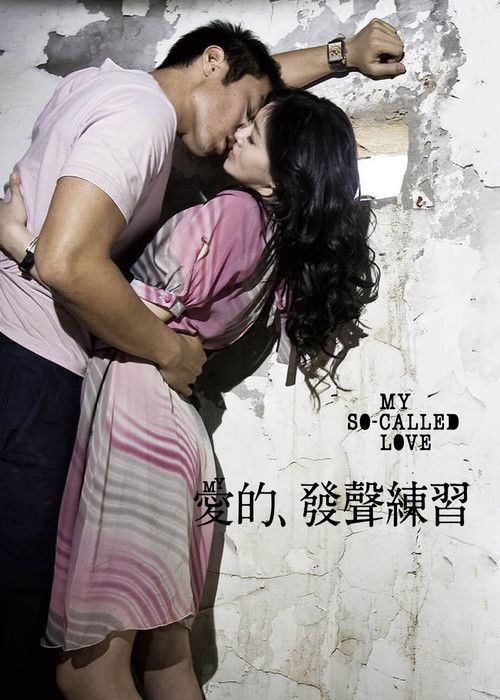
My So-called Love
2008
No user ratings available yet
Representation score: 5.2 out of 10
Representation Score
Fair
2002
Director
Zhang Yuan
Runtime
97 minutes
Average Rating
No ratings yetNew Showbiz Analysis
Zhang Yuan’s film is a hallmark of Sixth Generation cinema, emphasizing psychological fragmentation over traditional, state-aligned storytelling. It excels in challenging romantic clichés by focusing on urban malaise and the instability of intimacy in a modernizing Beijing. The film's strength lies in its intellectual depth and its portrayal of individuals struggling against systemic social changes. It avoids conventional moral centers, opting for a postmodern exploration of alienation. However, the film lacks broader diversity. It does not feature explicit LGBTQ+ representation or significant ethnic diversity, remaining focused on a specific Han Chinese urban demographic.
Category Breakdown
The film does not include explicit LGBTQ+ identities or relationships that challenge traditional heterosexual norms. It focuses on the instability of human connections without featuring any queer-coded characters or same-sex intimacy.
The story centers on a female character's emotional journey and active role in seeking autonomy. It challenges traditional patriarchal clichés by showing her as an active participant rather than a passive figure.
The cast primarily features Han Chinese actors, reflecting the urban Beijing setting. This approach maintains cultural authenticity without following Western-centric casting norms.
The film critiques the impact of rapid urbanization and the erosion of traditional family structures. It highlights social isolation and the breakdown of institutions due to modern capitalist pressures.
There are no prominent depictions of visible or invisible disabilities that serve as central plot drivers in this work.
Present on Screen
Limited or Absent
Official Synopsis
A young woman who has lost her first love begins a relationship with his best friend, and the two of them attempt to create a baggage-free future.
2008
2001

2009
1996
2013

2007
2021

1999
No reviews yet. Be the first to share your thoughts on this movie!
Use the rating form above to leave a star rating and optional review.