
Bad Romance
2011
No user ratings available yet
Representation score: 6.3 out of 10
Representation Score
Fair
2007
Director
Li Yu
Runtime
112 minutes
Average Rating
No ratings yetNew Showbiz Analysis
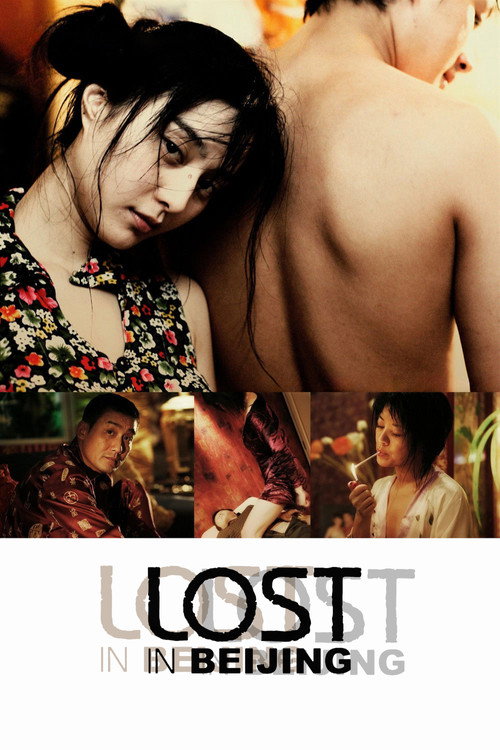
Lost in Beijing is a sophisticated exploration of fragmented identities within a hyper-capitalist society. It effectively deconstructs traditional social hierarchies and gender roles, offering a nuanced look at women's ability to drive the story and the pressures of urbanization. However, the film lacks representation of LGBTQ+ identities and individuals with disabilities, focusing primarily on straight-centered interpersonal dynamics and socioeconomic tensions.
Category Breakdown
The film focuses on heterosexual relationships and infidelity, without explicitly representing LGBTQ+ identities or perspectives.
Female characters play a significant role in driving the story and navigate their own social and sexual paths, while male characters often struggle with their status.
The film explores socioeconomic class divisions, highlighting the 'invisible' status of rural migrants in urban settings.
The story critiques how rapid modernization impacts social morality, deconstructing the traditional family unit amid a moral vacuum.
There is no discernible representation of physical, sensory, or neurodivergent disabilities within the film.
Present on Screen
Limited or Absent
Official Synopsis
A look at modern-day life in China's capital centered on a ménage-a-quatre involving a young woman, her boss, her husband and her boss's wife.
2011

2007

2001

2001

2011
2002
1999

2007
No reviews yet. Be the first to share your thoughts on this movie!
Use the rating form above to leave a star rating and optional review.