
Good Men, Good Women
1995
No user ratings available yet
Representation score: 6.1 out of 10
Representation Score
Good
2005
Not RatedDirector
Hou Hsiao-hsien
Runtime
130 minutes
Average Rating
No ratings yetNew Showbiz Analysis
Hou Hsiao-hsien’s triptych is a sophisticated study of intimacy set against Taiwan’s shifting geopolitical history. It excels in its post-colonial perspective, moving away from Anglo-centric narratives to center the lived experiences of Taiwanese subjects across three distinct eras. The film provides strong gender representation through complex female protagonists who drive the emotional stakes. However, the narrative remains within a traditional romantic framework, lacking explicit LGBTQ+ representation. While the film offers deep intellectual engagement with systemic oppression and cultural identity, it lacks any meaningful depiction of disability.
Category Breakdown
The film focuses on heterosexual relationships and infidelity. It does not explicitly center LGBTQ+ identities or non-traditional gender expressions.
Female protagonists play a significant role in driving the story, balancing domestic life and autonomy. The film passes the Bechdel test, as women's conversations center on their own experiences.
The film centers on Taiwanese subjects during the Japanese colonial and late Qing periods. It challenges Western historical narratives by focusing on non-Western, post-colonial identities.
The narrative explores post-colonial themes and critiques how political structures impact individuals. It depicts the working class and peasantry to highlight socio-economic hierarchies.
There are no prominent depictions of physical or neurodivergent disabilities that function as central character traits or plot drivers.
Present on Screen
Limited or Absent
Official Synopsis
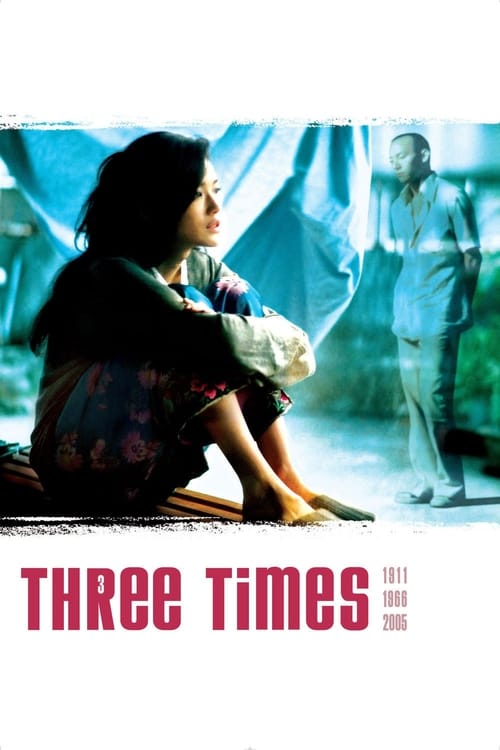
In three separate segments, set respectively in 1966, 1911, and 2005, three love stories unfold between three sets of characters, under three different periods of Taiwanese history and governance.
1995

2001
1999
2015
1983

2015

2007

2016
No reviews yet. Be the first to share your thoughts on this movie!
Use the rating form above to leave a star rating and optional review.