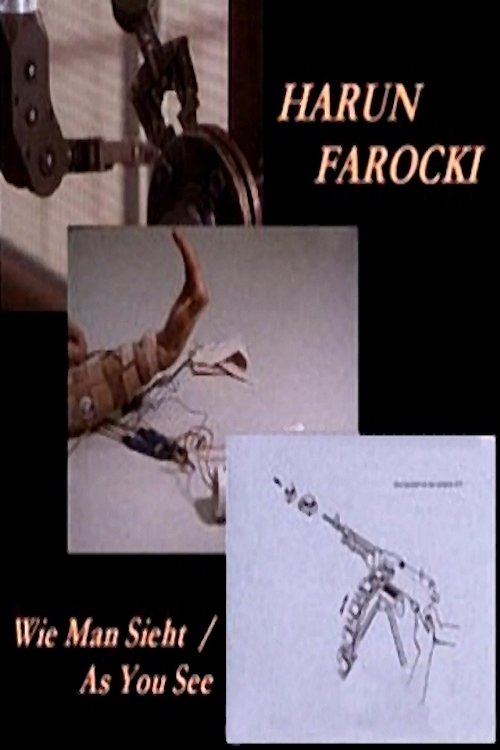
As You See
1986
No user ratings available yet
Representation score: 5.7 out of 10

Representation Score
Good
1928
Director
Albrecht Viktor Blum, Léo Lania
Runtime
22 minutes
Average Rating
No ratings yetNew Showbiz Analysis
Im Schatten der Maschine is a sophisticated piece of cinematic deconstruction. It uses a globalized montage to challenge dominant Western narratives of technological triumphalism, emphasizing systemic failure and human vulnerability. While the film lacks contemporary character-driven identity politics, its structural intent is highly progressive. It functions as an early critique of industrial capitalism by using international footage to create a universal message. However, it remains limited by its focus on industrial processes rather than individual human identities.
Category Breakdown
The film does not include any LGBTQ+ characters or narratives, focusing solely on industrial themes.
The story focuses on machines and workers, without specific character arcs to explore gender roles or challenges to gender hierarchies.
The film uses Ukrainian and American footage to create a globalized perspective, challenging nationalist views.
It challenges Western progress narratives by showing technology as a source of systemic harm and destruction to human life.
The film depicts physical disabilities through scenes of mangled hands and workplace accidents, highlighting the vulnerabilities of industrial workers.
Present on Screen
Limited or Absent
Official Synopsis
The film was produced as a compilation film. Blum reported in “Film-Kurier“ (5.11.1928): "It will be assembled from excerpts of partly unpublished Ukrainian films. […] Some American footage has also been used. To get material as impressive as possible, a number of films, 0-60, have been viewed." Based on ideas by Dziga Vertov, and largely assembled from the last reel of his film 'The Eleventh Year', this compilation presents an explicit critique of the very technology that Vertov sought to praise, stressing the dark side of industrialization—hands mangled in workplace accidents, train wrecks, coffins—and connects to a particularly German concern with the negative effects of technology stretching from the Romantics to Heidegger, Horkheimer, and Adorno in the twentieth century.
1986
1929
1972

1927
1931

1922

1957

2014
No reviews yet. Be the first to share your thoughts on this movie!
Use the rating form above to leave a star rating and optional review.