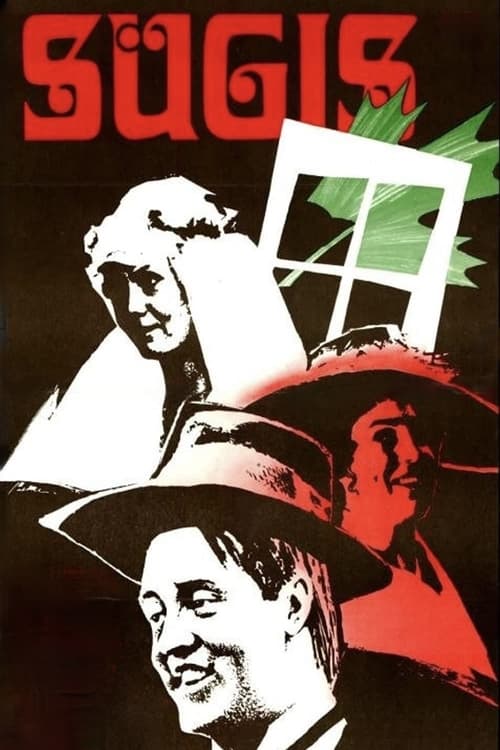
Autumn
1990
No user ratings available yet
Representation score: 2.2 out of 10
Representation Score
Limited
1923
Director
Erkki Karu
Runtime
92 minutes
Average Rating
No ratings yetNew Showbiz Analysis
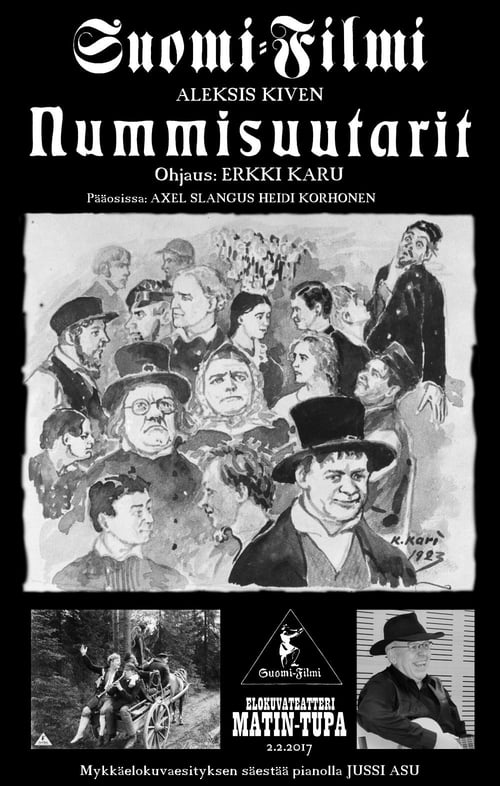
The Village Shoemakers is a film from the early 20th century that celebrates Finnish rural identity. Its narrative structure prioritizes the preservation of local traditions and social structures over modern social norms. While it provides a glimpse into historical social stratifications through Alexis Kivi's work, it remains a traditional period comedy. It focuses on the homogeneous demographic realities of the era rather than diverse or subversive characterizations.
Category Breakdown
The film does not include any LGBTQ+ characters or situations involving non-straight relationships. It focuses on traditional wedding stories typical of the era.
Female characters engage in social maneuvering within the domestic sphere, but the film does not challenge traditional gender roles or depict masculinity as ineffective.
The cast is overwhelmingly white and ethnically Finnish, reflecting the demographics of rural Finland in 1923 without any diverse ethnic representation.
The story emphasizes local folklore and rural customs, celebrating Finnish traditions rather than addressing modern secular or anti-capitalist themes.
There are no characters with visible or invisible disabilities in the film, so there is no representation of individuals with disabilities.
Present on Screen
Limited or Absent
Official Synopsis
Rural comedy of the intrigues and stratagems involving a country wedding. From a comedy by Alexis Kivi.
1990

1978
1983
1938
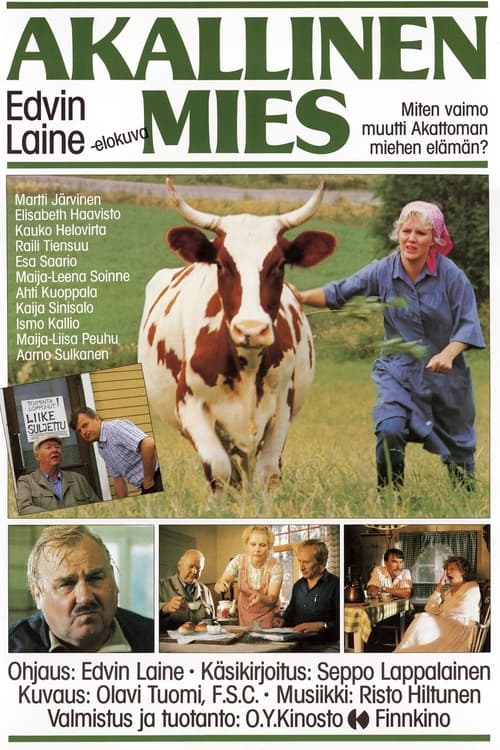
1986

1930

1999
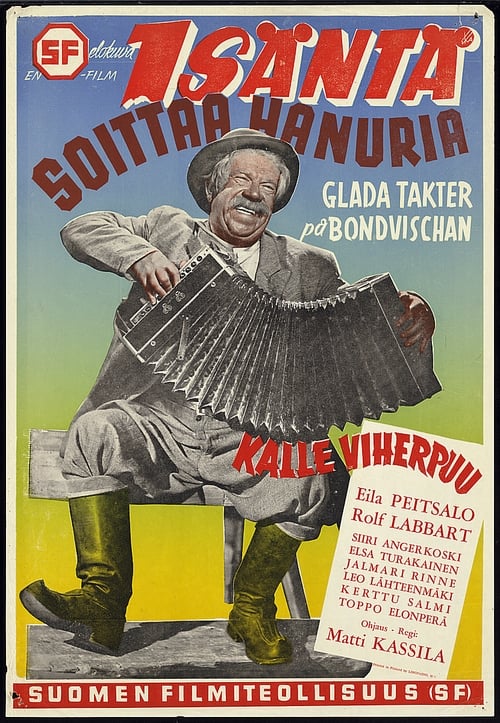
1949
No reviews yet. Be the first to share your thoughts on this movie!
Use the rating form above to leave a star rating and optional review.