Memories of a Murderer: The Nilsen Tapes
2021
No user ratings available yet
Representation score: 4.5 out of 10
Representation Score
Fair
2020
TV-14Director
Alex Emslie
Runtime
120 minutes
Average Rating
No ratings yetNew Showbiz Analysis
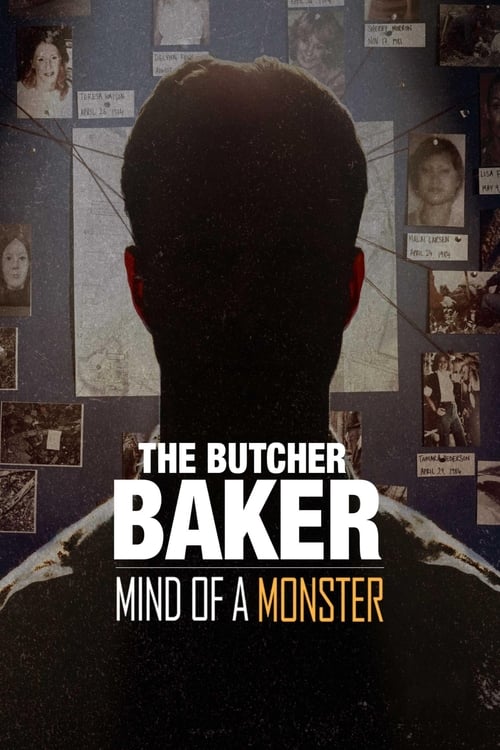
The Butcher Baker: Mind of a Monster operates as a standard true-crime documentary. Its structure is built around the investigation of a singular criminal entity, limiting the scope for storytelling that reflects multiple aspects of identity. Because the film prioritizes the psychological profile of Robert Hansen, the narrative often uses identity—such as gender, race, or mental health—as a backdrop for crime rather than a subject of ability to act. This results in a narrow focus that adheres to conventional genre expectations. Ultimately, the film functions as a character study of a perpetrator. This focus prevents the subversion of social hierarchies or the meaningful representation of underrepresented groups.
Category Breakdown
The film focuses on the perpetrator's psychology rather than exploring LGBTQ+ identity. While the victims were underrepresented, there is no dedicated exploration of LGBTQ+ individuals' ability to act or liberation.
The story centers on male characters through the lens of a serial killer. Women are primarily depicted within a criminal framework as victims, failing to challenge traditional gender hierarchies.
The Alaskan setting offers cultural potential, but the narrative follows a traditional Western true-crime structure. There is no significant focus on non-Anglo-Saxon perspectives or racial diversity.
The documentary prioritizes the criminal narrative over proactive anti-institutional or anti-Western themes. It uses archival footage to reconstruct history without a clear focus on diverse cultural narratives.
Mental health is treated as a psychological profile to explain violence. There is no portrayal of neurodivergence with ability to act or as a nuanced lived experience.
Present on Screen
Limited or Absent
Official Synopsis
Feature length documentary about the little known serial killer Robert Hansen, who killed for 12 years in the wilderness of Alaska before finally being caught in 1983. A compelling mixture of archive, actuality, interviews and a challenging drama shoot in Alaska brings his story to life.
2021
2003
2020

2015
2019

2024
2020
2015
No reviews yet. Be the first to share your thoughts on this movie!
Use the rating form above to leave a star rating and optional review.