Fakin' Da Funk
1997
No user ratings available yet
Representation score: 3.8 out of 10
Representation Score
Good
1981
PGDirector
Michael Schultz
Runtime
92 minutes
Average Rating
No ratings yetNew Showbiz Analysis
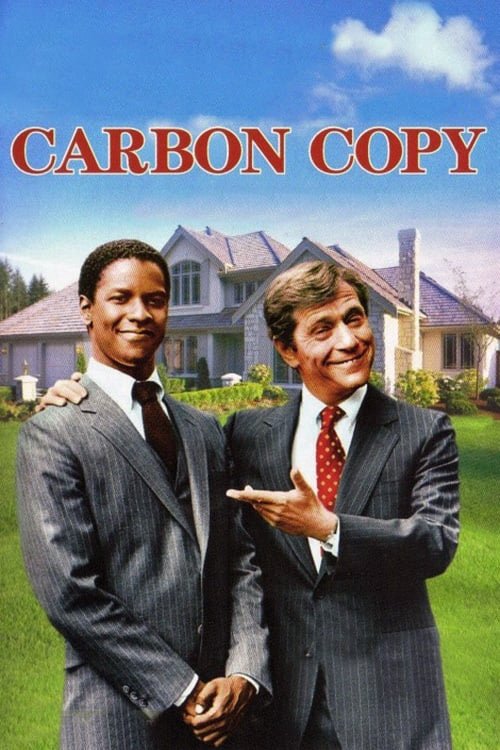
Carbon Copy uses a science-fiction premise to explore fragmented identities and socioeconomic divisions. Its strongest point is the clash between racial hierarchies and the American suburban ideal. While the film effectively critiques systemic exclusion through its racial dynamics, it falls short in exploring gender and LGBTQ+ identities. The narrative emphasizes the male protagonist's crisis over diverse perspectives. Overall, the film serves as a critique of social institutions, using cloning to challenge the stability of the traditional nuclear family.
Category Breakdown
The film adheres to traditional assumptions that everyone is straight or cisgender. It doesn't show non-cisgender gender identities or same-sex relationships that drive the story forward.
Women play important roles in providing emotional support rather than being passive. However, the main narrative focus remains on the male protagonist's personal journey.
The story challenges racial and economic hierarchies by placing a Black teenager in an exclusively white, upper-middle-class community. This highlights issues of systemic exclusion and social barriers.
The narrative uses modern themes to question the ethics of scientific progress. It breaks down traditional Western ideas about heritage and nature.
There are no prominent depictions of physical or neurodivergent disabilities. The protagonist's psychological struggles are not used as a key driver for the story.
Present on Screen
Limited or Absent
Official Synopsis
A middle-aged married wealthy white corporate executive is surprised to discover that he has a working-class black teen-age son who wants to be adopted into the almost-exclusively-white upper-middle-class community of San Marino, California.
1997

1960
1991
1993

2017
1967
1970
1987
No reviews yet. Be the first to share your thoughts on this movie!
Use the rating form above to leave a star rating and optional review.