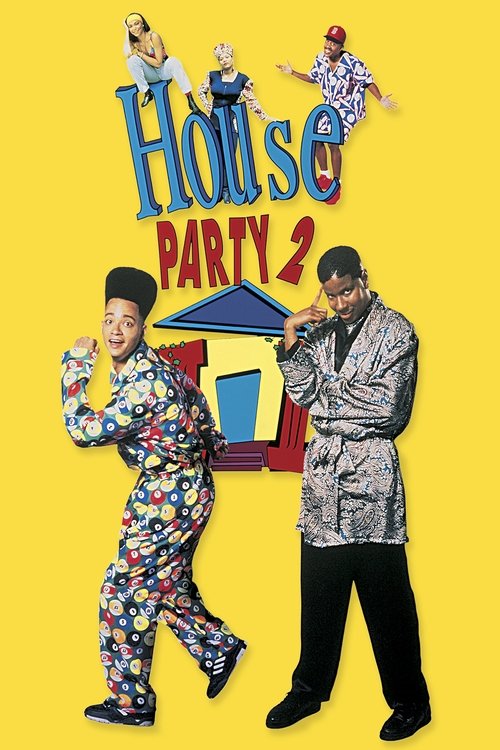
House Party 2
1991
No user ratings available yet
Diversity score: 4.8 out of 10

1989
RDirector
Robert Brooks
Runtime
102 minutes
Average Rating
No ratings yetSynopsis
A coming-of-age tale set in Brooklyn during the late '50s which centers on the high school life of a group of teens that have to deal with racial tensions at their interracial vocational high school.
Overall Score
Good
Category Breakdown
LGBTQ+ Representation
The film lacks explicit mention of LGBTQ+ characters or non-heteronormative narrative arcs. The story architecture focuses primarily on racial and social dynamics rather than sexual orientation.
Gender Representation
Set in the late 1950s, the film likely navigates the rigid gender roles of the era. The coming-of-age genre offers potential for female characters to challenge these historical hierarchies.
Racial & Ethnic Diversity
The narrative centers on an interracial vocational high school, making racial diversity a core pillar. It prioritizes the experiences of characters of color navigating systemic tensions and integration.
Religious & Cultural Diversity
The film uses a social critique framework to examine 1950s systemic tensions. It explores individual identity formation against the backdrop of traditionalist structures and institutional authority.
Disability Representation
There is no evidence regarding the inclusion or portrayal of characters with physical or neurodivergent disabilities.
Strengths
Areas for Improvement
AI Analysis
Who Shot Pat? is a period piece that finds its strength in its commitment to social realism. By centering the plot on the racial tensions of an interracial vocational high school in 1950s Brooklyn, the film provides a platform for diverse racial perspectives and explores the complexities of integration. While the film excels in its exploration of racial intersectionality, it remains limited in other areas of representation. There is no visible focus on LGBTQ+ identities or disability representation, leaving those dimensions of the human experience unaddressed. Ultimately, the film serves as a character-driven examination of historical friction points. It succeeds as a critique of 1950s social hierarchies, even if it adheres to the era's more traditional gender and sexual norms.
1991
1970

1981

2017
1977
1990

1984
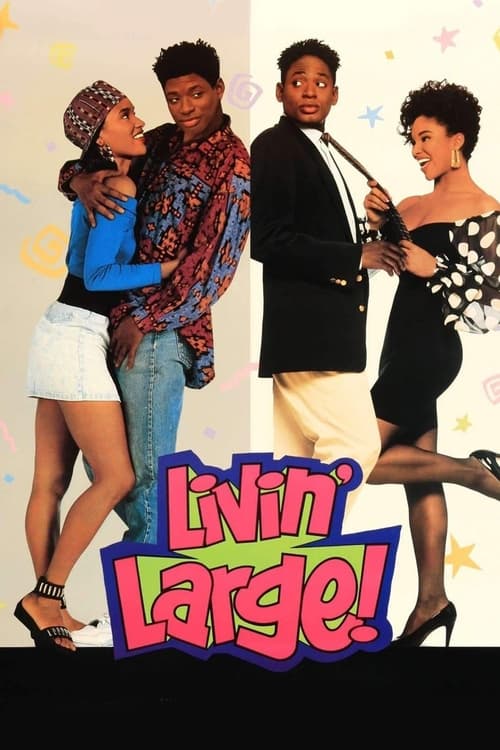
1991
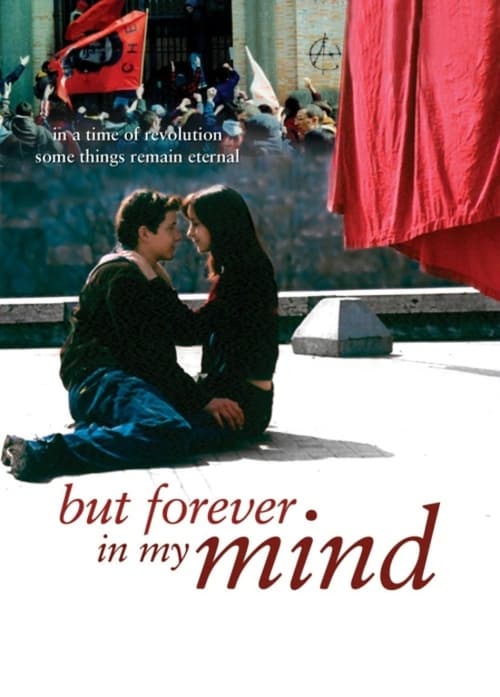
1999

1994
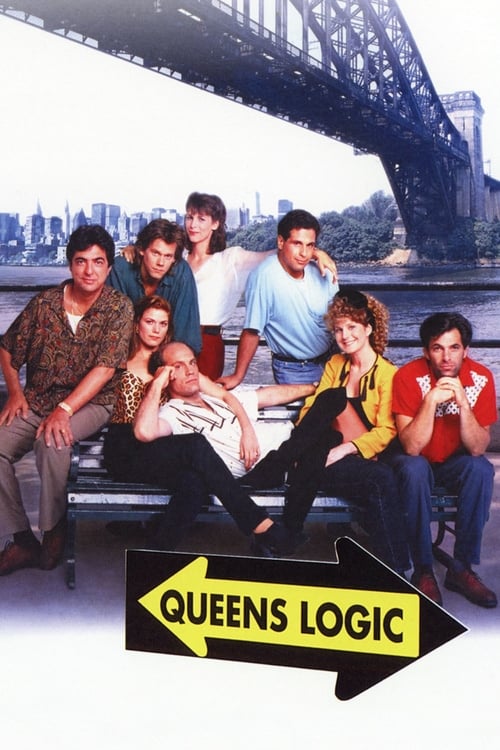
1991
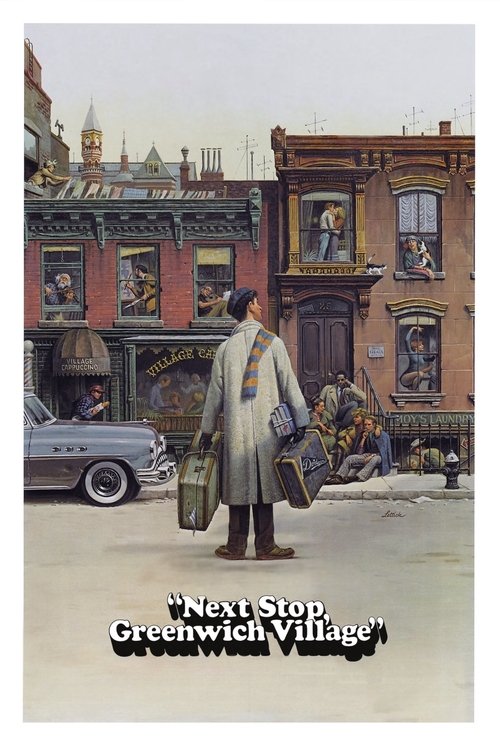
1976
No reviews yet. Be the first to share your thoughts on this movie!
Use the rating form above to leave a star rating and optional review.