Family Tree
2003
No user ratings available yet
No diversity score available
1996
PG-13Director
Richard Pearce
Runtime
109 minutes
Average Rating
No ratings yetSynopsis
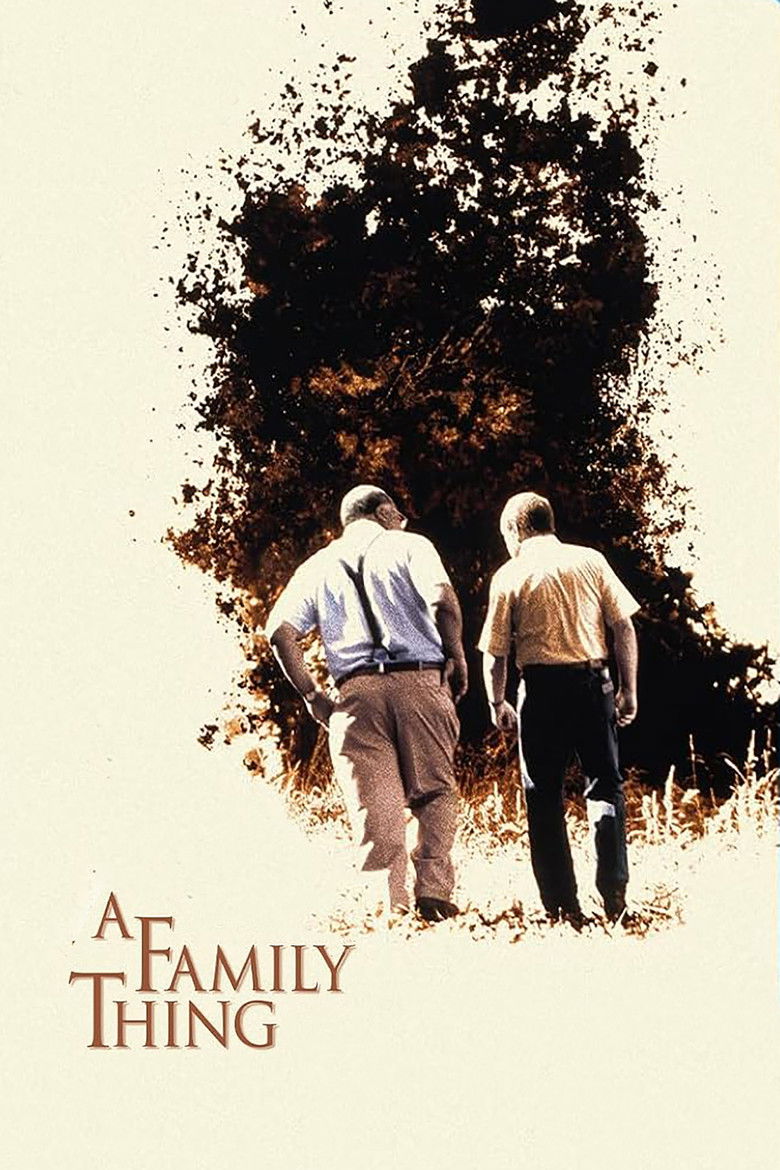
Earl Pilcher Jr. runs an equipment rental outfit in Arkansas, lives with his wife and kids and parents, and rarely takes off his gimme cap. His mother dies, leaving a letter explaining he's not her natural son, but the son of a Black woman who died in childbirth; plus, he has a half brother Ray, in Chicago, she wants him to visit. Earl makes the trip, initially receiving a cold welcome from Ray and Ray's son, Virgil. His birth mother's sister, Aunt T., an aged and blind matriarch, takes Earl in tow and insists that the family open up to him.
Overall Score
Good
Category Breakdown
LGBTQ+ Representation
The film contains no LGBTQ+ characters or storylines. The narrative focuses exclusively on heteronormative lineages and racial identity.
Gender Representation
Female figures drive the plot through the matriarchal legacy of the deceased mother and Aunt T. The film critiques patriarchal stability by showing how male characters must confront truths beyond their control.
Racial & Ethnic Diversity
The story centers on a protagonist discovering his Black heritage within a white Southern family. Forest Whitaker provides significant agency, moving the Black experience into a position of narrative necessity.
Religious & Cultural Diversity
The film critiques Southern social norms and the deceptions used to maintain racial hierarchies. It frames the breakdown of the traditional family unit as a path toward truth and reconciliation.
Disability Representation
Aunt T. is depicted as a wise, guiding matriarch rather than a source of pity. Her blindness is integrated into her agency as the bridge between fractured family sides.
Strengths
Areas for Improvement
AI Analysis
The film excels at deconstructing the monolithic white Southern experience by centering a racial identity revelation. It uses intersectional themes of kinship and race to challenge traditional social hierarchies and historical deceptions. While the narrative lacks LGBTQ+ and neurodivergent representation, it provides meaningful agency to its Black and disabled characters. The matriarchal influence provides a strong counter-narrative to standard patriarchal tropes. Ultimately, the film succeeds as a sophisticated critique of the 'traditional' family, prioritizing complex identity reclamation over idealized domesticity.
2003
1995

1981
2021
1997

1999
2000
1989

2007
2006

2011

2019
No reviews yet. Be the first to share your thoughts on this movie!
Use the rating form above to leave a star rating and optional review.