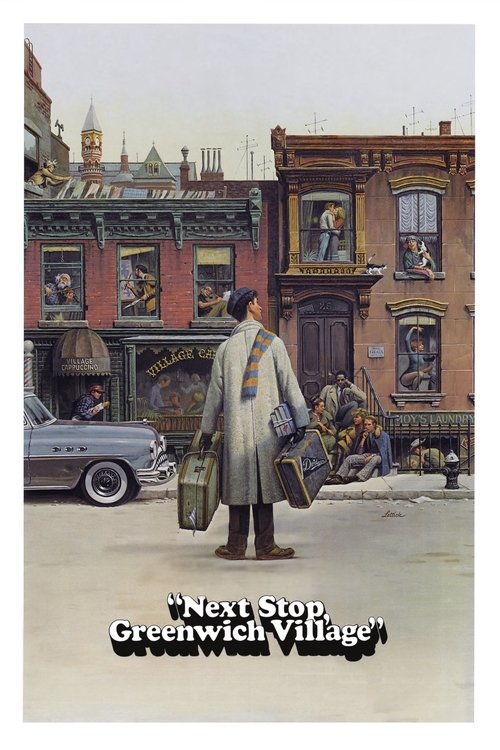
Next Stop, Greenwich Village
1976
No user ratings available yet
Representation score: 8.2 out of 10
Representation Score
Good
1970
PGDirector
Hal Ashby
Runtime
112 minutes
Average Rating
No ratings yetNew Showbiz Analysis
Hal Ashby’s film serves as a sophisticated character study that challenges the mid-century American dream. By placing a white protagonist in a Black Brooklyn neighborhood, the narrative uses racial friction to explore systemic housing dynamics and gentrification. The film goes beyond including just one person from a minority group without depth and offers meaningful social commentary. It effectively challenges traditional authority by presenting landlordism and property rights through a lens of social instability and anti-capitalist themes. While the film excels in critiquing racial and cultural issues, it remains limited in its exploration of gender and disability. It stays within the social realism of its time, focusing heavily on class and race over other identity markers.
Category Breakdown
The film follows the typical storytelling conventions of the 1970s and doesn't include explicit stories about non-straight or non-cisgender identities. It also doesn't challenge the idea that everyone is straight or cisgender.
Women in the film play significant roles in driving the story by navigating their own economic and social situations. The movie avoids the cliché of having a stable, competent male leader by focusing on the protagonist's personal struggles.
The story focuses on a white protagonist entering a predominantly Black community in Brooklyn. This setup explores racial tensions and the broader social issues surrounding urban housing.
The narrative criticizes Western institutions and the commercialization of housing. It highlights the conflict between property ownership and the right to community.
There is no prominent or central depiction of visible or invisible disabilities. The focus remains on socioeconomic and racial issues.
Present on Screen
Limited or Absent
Official Synopsis
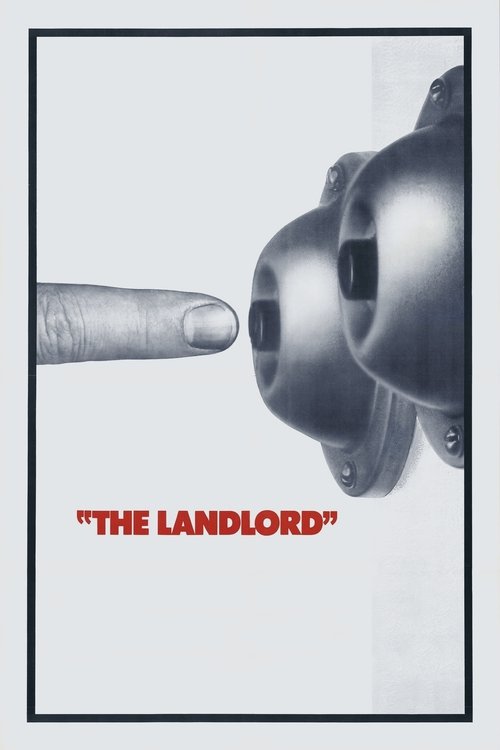
At the age of twenty-nine, Elgar Enders "runs away" from home. This running away consists of buying a building in a black ghetto in the Park Slope section of Brooklyn. Initially, his intention is to evict the black tenants and convert the building into a posh flat. But Elgar is not one to be bound by yesterday's urges, and soon he has other thoughts on his mind.
1976
1979
1976
1970
1981

1977

1974
1969
No reviews yet. Be the first to share your thoughts on this movie!
Use the rating form above to leave a star rating and optional review.