
This Is Sodom
2010
No user ratings available yet
Diversity score: 3.2 out of 10
2012
Not RatedDirector
Peter Greenaway
Runtime
128 minutes
Average Rating
No ratings yetSynopsis
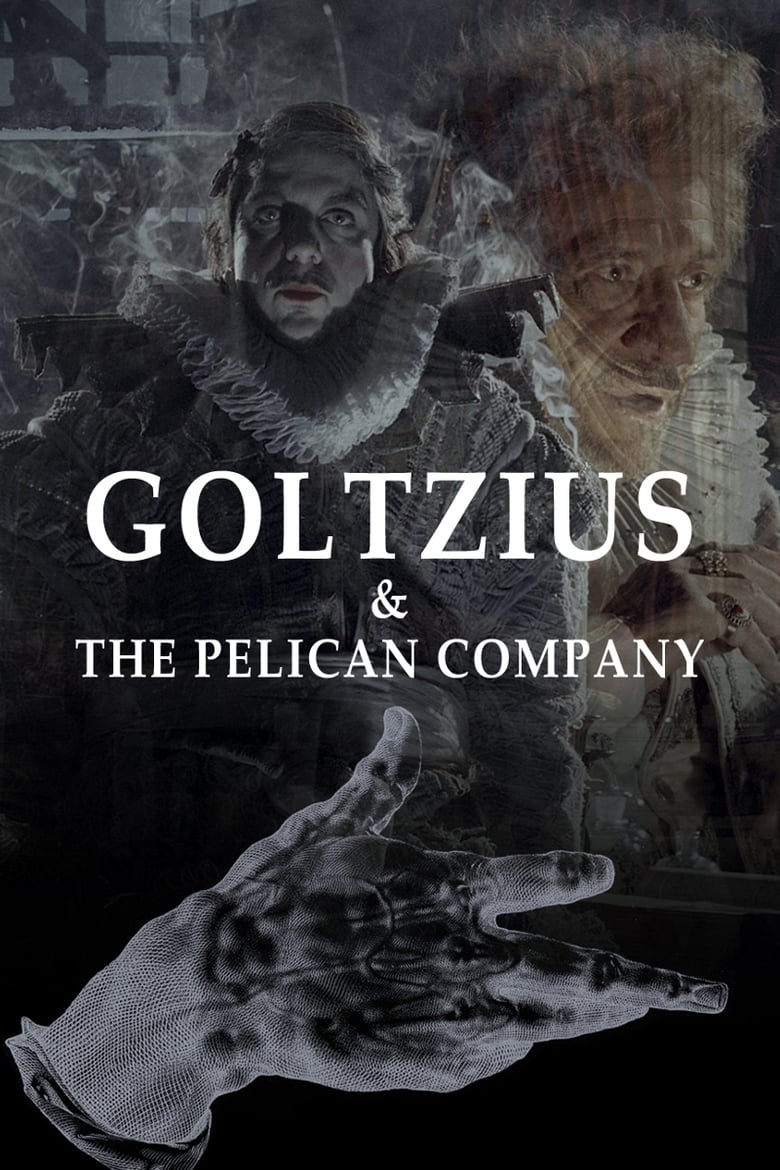
Goltzius and the Pelican Company tells the story of Hendrik Goltzius, a late 16th century Dutch printer and engraver of erotic prints. A contemporary of Rembrandt and, indeed, more celebrated during his life, Goltzius seduces the Margrave of Alsace into paying for a printing press to make and publish illustrated books. In return, he promises him an extraordinary book of pictures of illustrating the Old Testament’s biblical stories. Erotic tales of Lot and his daughters, David and Bathsheba, Samson and Deliah and John the Baptist and Salome. To tempt the Margrave further, Goltzius and his printing company will offer to perform dramatisations of these erotic stories for his court.
Overall Score
Fair
Category Breakdown
LGBTQ+ Representation
The film explores desire through erotic engravings and biblical archetypes. However, it lacks explicit focus on non-cisnormative identities or a contemporary queer critique of heteronormativity.
Gender Representation
The narrative disrupts traditional hierarchies by focusing on the artist's gaze rather than passive muses. Women are presented as complex participants in a transactional artistic ecosystem.
Racial & Ethnic Diversity
The cast is predominantly white to maintain historical accuracy for the 16th-century Dutch Renaissance setting. The film does not utilize race-bent casting or diverse metaphors.
Religious & Cultural Diversity
Biblical stories are treated as aesthetic objects for political maneuvering rather than moral truths. The work remains deeply rooted in Western European intellectualism and art history.
Disability Representation
There is no evidence of characters with visible or invisible disabilities serving as central plot devices or possessing specific agency within the narrative.
Strengths
Areas for Improvement
AI Analysis
Peter Greenaway’s film is a highly stylized, postmodern reconstruction of the Renaissance that prioritizes aesthetic deconstruction over modern social representation. It succeeds in subverting the 'muse' trope by examining how gender and desire are commodified through the artistic gaze. However, the film is heavily constrained by its commitment to a Eurocentric, period-specific aesthetic. While it uses religious iconography as a tool for secular inquiry, it does not actively dismantle racial or gendered hierarchies through an intersectional lens. Ultimately, the work functions as a series of artificial tableaux vivants. It challenges historical realism but remains tethered to the social and ethnic constraints of its 16th-century setting.
2010
2012
1972
2015

2017
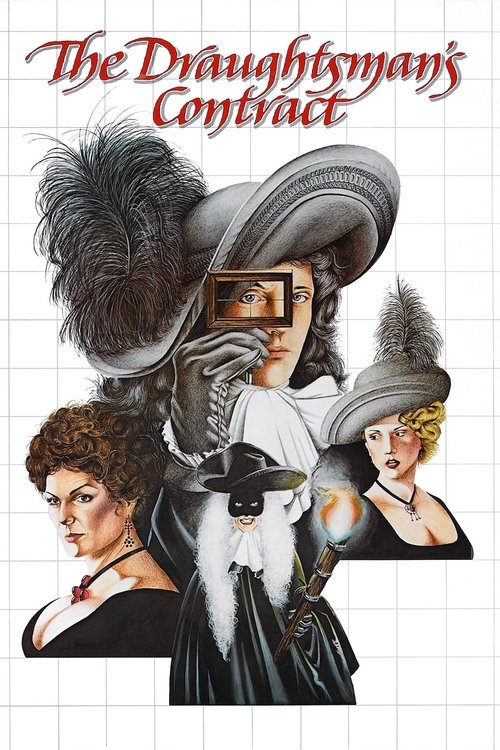
1982
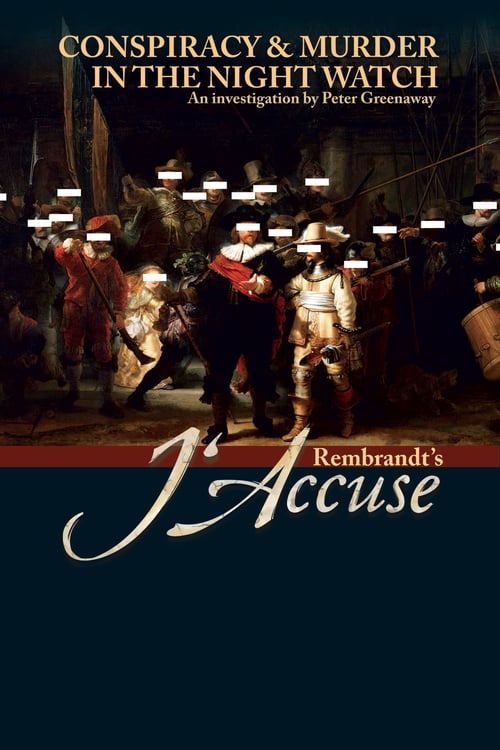
2008
No reviews yet. Be the first to share your thoughts on this movie!
Use the rating form above to leave a star rating and optional review.