Sexy Sinners
1972
No user ratings available yet
Representation score: 3.8 out of 10
Representation Score
Good
2015
Director
Paolo Taviani, Vittorio Taviani
Runtime
116 minutes
Average Rating
No ratings yetNew Showbiz Analysis
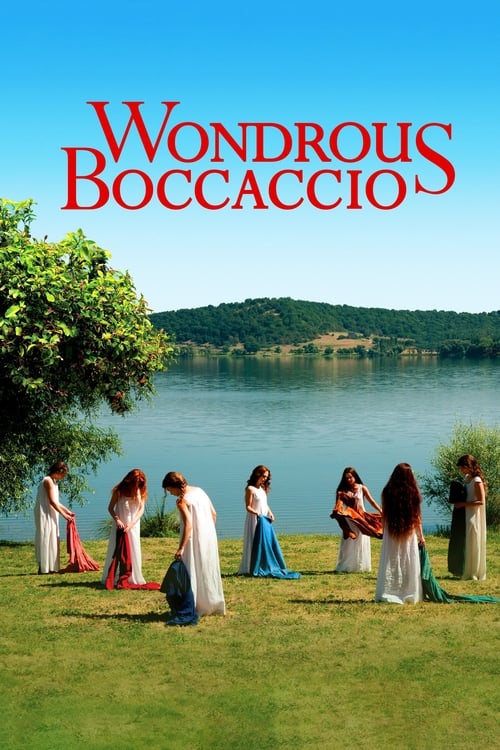
Wondrous Boccaccio uses a historical crisis to explore individual expression and the disruption of established social hierarchies. By centering a group of young people fleeing the plague, the film creates a space for moral relativism and the subversion of traditional norms. The film's greatest strength is its gendered perspective, which shifts ability to act away from patriarchal leadership. However, the historical setting limits the scope for racial and ethnic diversity, and specific LGBTQ+ identities remain unconfirmed. Ultimately, the film functions as a sophisticated study of ability to act during systemic collapse, using literary tradition to highlight the importance of human connection and storytelling.
Category Breakdown
The film draws from Boccaccio’s framework, which explores human desire and non-traditional social structures. While specific LGBTQ+ identities are not explicitly detailed, the focus on erotic stories suggests a departure from rigid assumptions about straight relationships.
The narrative disrupts conventional hierarchies by centering seven women against three men. This shift places the intellectual and emotional weight of the survival scenario firmly on female characters.
Set in 14th-century Tuscany, the casting likely reflects the demographic realities of the era. The film focuses on human experience within the constraints of its historical setting.
The story prioritizes human ability to act and existentialism over religious dogma. Characters use storytelling to navigate moral doubt and deconstruct traditional social obligations during the plague.
There is no mention of characters navigating physical or neurodivergent disabilities within the narrative.
Present on Screen
Limited or Absent
Official Synopsis
It's 1348. The plague has brutally hit Florence. A group of then young people, seven women and three men, rebel against the feeling of death that is about to swallow them. They flee the city and find refuge in an abandoned villa in the Tuscan hills. Here, between moral doubts and the tasks needed to survive, they kill time by telling each other stories until they will decide to return. The stories are varied - tragic, bizarre, funny or erotic - but common and central to all of them is the female presence.
1972
1971
1990
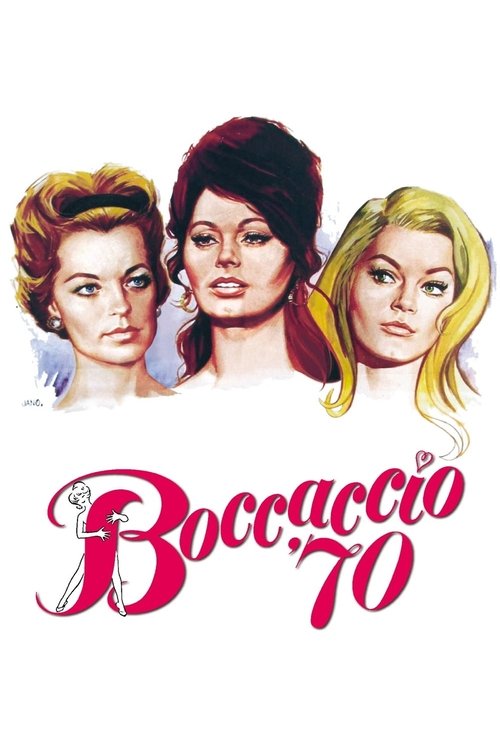
1962
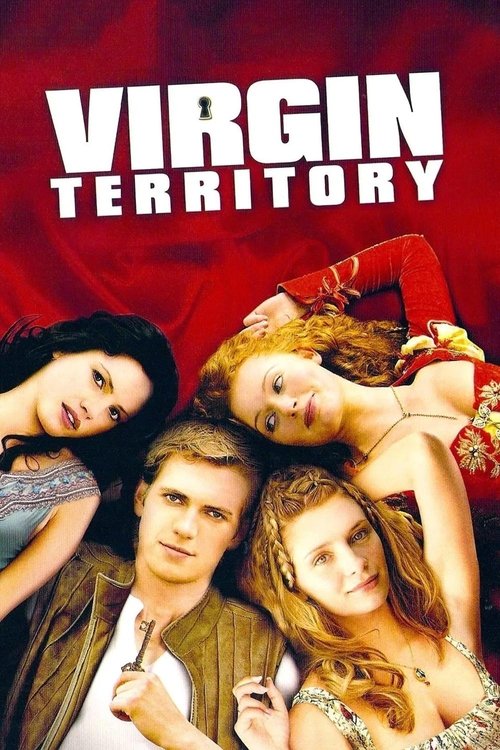
2007
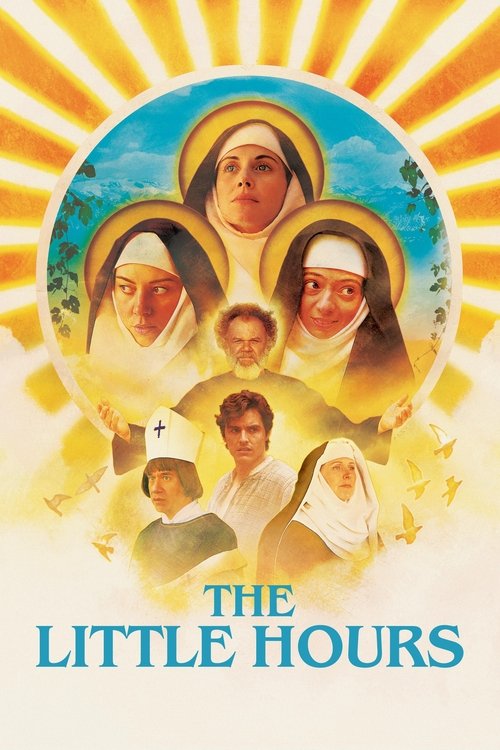
2017

2011
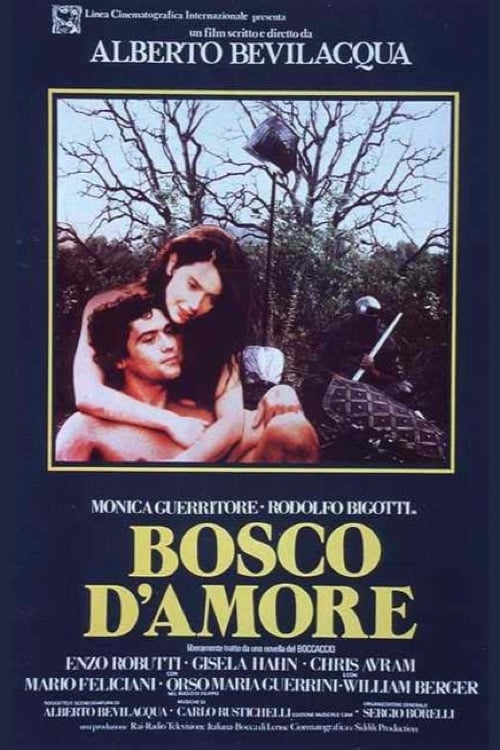
1981
No reviews yet. Be the first to share your thoughts on this movie!
Use the rating form above to leave a star rating and optional review.