
The Red Mill
1927
No user ratings available yet
Diversity score: 2.9 out of 10
1924
Director
Edvard Persson
Runtime
95 minutes
Average Rating
No ratings yetSynopsis
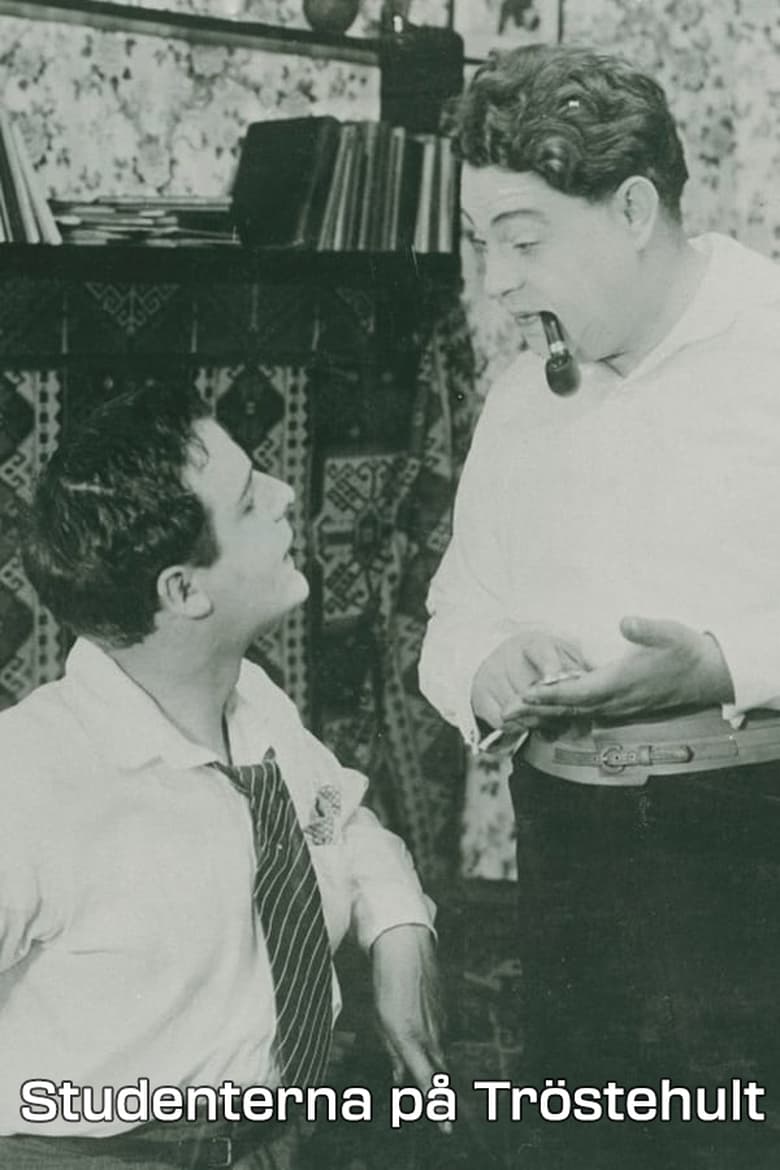
Baron Brusenhielm at castle Tröstehult in Skåne dislikes how his young son Karl Oscar is playing “mother and father” with the tenant’s daughter Ann-Marie, as he anticipates the beginning of a future misalliance. Years pass, and Karl Oscar is about to graduate high school. He pretends to study church history but reads in fact “The Seducer’s Diary” and thinks of Ann-Marie, who is now grown up into a woman.
Overall Score
Limited
Category Breakdown
LGBTQ+ Representation
The film focuses on a traditional romantic pairing. There is no evidence of non-heteronormative identities or same-sex intimacy within the narrative.
Gender Representation
The story operates within 1920s gender expectations. Ann-Marie serves as a catalyst for conflict, disrupting the patriarchal stability of the Baron's household despite her limited agency.
Racial & Ethnic Diversity
The setting is localized to Skåne, Sweden, suggesting a homogeneous social structure. The narrative is framed within a localized, ethnically uniform European context.
Religious & Cultural Diversity
The plot explores friction between the aristocracy, the Church, and individual desire. The protagonist's preference for romantic literature over religious studies suggests a move toward secular individualism.
Disability Representation
There is no mention of characters with visible or invisible disabilities in the film's documentation.
Strengths
Areas for Improvement
AI Analysis
Studenterna på Tröstehult is a product of its era, deeply rooted in the rigid social hierarchies of early 20th-century Sweden. The narrative tension stems from class-based conflicts, specifically the friction between aristocratic expectations and individual romantic agency. While the film lacks modern diversity markers, it subtly explores the shift from institutional dogma toward secular sentimentality. The protagonist's rejection of religious studies in favor of romantic literature provides a minor challenge to traditional authority. Ultimately, the film remains a conventional depiction of a localized, homogeneous society, focusing on romantic melodrama rather than systemic social critique.
1927

1998

1936
1920
1928

1974

1995
1987
1938
1925

1931

1926
No reviews yet. Be the first to share your thoughts on this movie!
Use the rating form above to leave a star rating and optional review.