My Husband, His Mistress and I
1974
No user ratings available yet
Representation score: 3.9 out of 10
Representation Score
Limited
1974
Director
Massimo Dallamano
Runtime
105 minutes
Average Rating
No ratings yetNew Showbiz Analysis
Massimo Dallamano’s film is a product of its era, prioritizing psychological tension and genre conventions over diverse representation. The narrative is built around traditional romantic conflicts and the stylistic clichés of 1970s European cinema. The film lacks depth in exploring multiple aspects of identity, offering a homogeneous view of Roman society. While it delves into themes of sexual transgression and psychological instability, these elements do not challenge existing social hierarchies regarding race, gender, or identity. Ultimately, the work functions as a period-specific psychological drama that adheres to the traditional demographic and social structures of its time.
Category Breakdown
The film does not include any LGBTQ+ characters or explore non-straight relationships. The interpersonal dynamics focus solely on traditional romantic and sexual tensions.
Laura Gemser is the central figure, but the film heavily relies on the male gaze. Female sexuality is explored through themes of vulnerability and victimization rather than empowerment.
The cast is predominantly white and European, reflecting the demographic homogeneity of 1970s Italian cinema. There is no significant ethnic diversity within the central narrative.
The story focuses on individual psychological obsession rather than systemic critique. It upholds a traditional middle-to-upper-class Italian social structure without challenging Western institutions.
There is no meaningful representation of physical or neurodivergent disabilities. Psychological instability serves as a genre plot driver rather than an exploration of disability.
Present on Screen
Limited or Absent
Official Synopsis
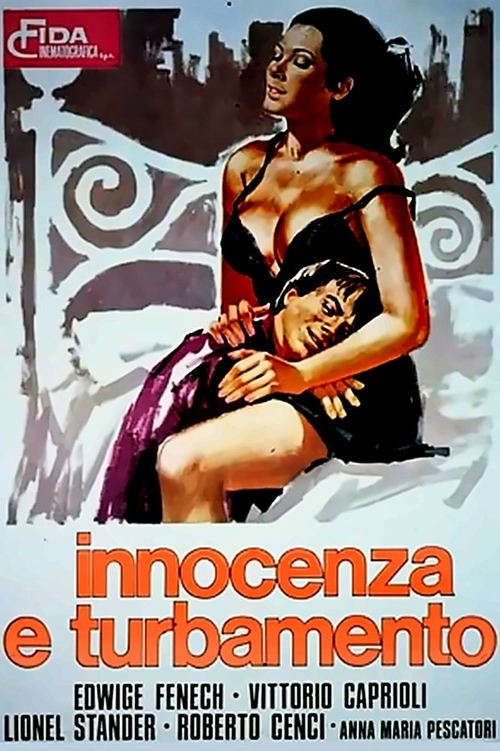
A young man is temporarily home from a Seminary, but eventually falls in love with his father's young new wife.
1974
1955
1987

1952
2014

1969
1998
1957
No reviews yet. Be the first to share your thoughts on this movie!
Use the rating form above to leave a star rating and optional review.