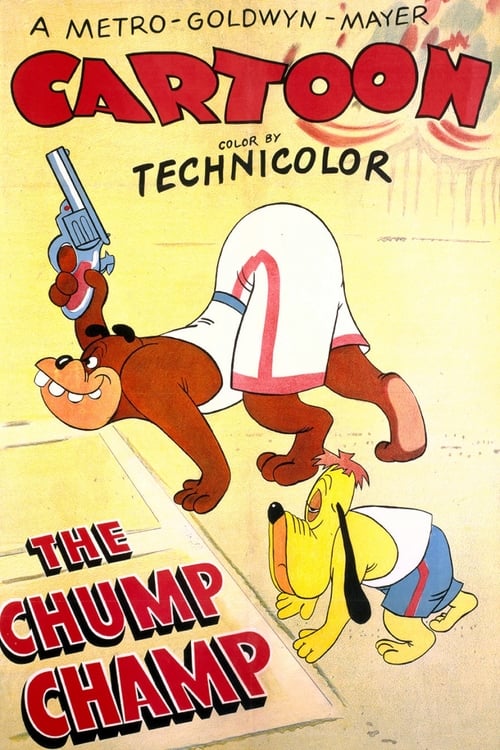
The Chump Champ
1950
No user ratings available yet
Diversity score: 2.8 out of 10
1949
Director
Tex Avery
Runtime
7 minutes
Average Rating
No ratings yetSynopsis
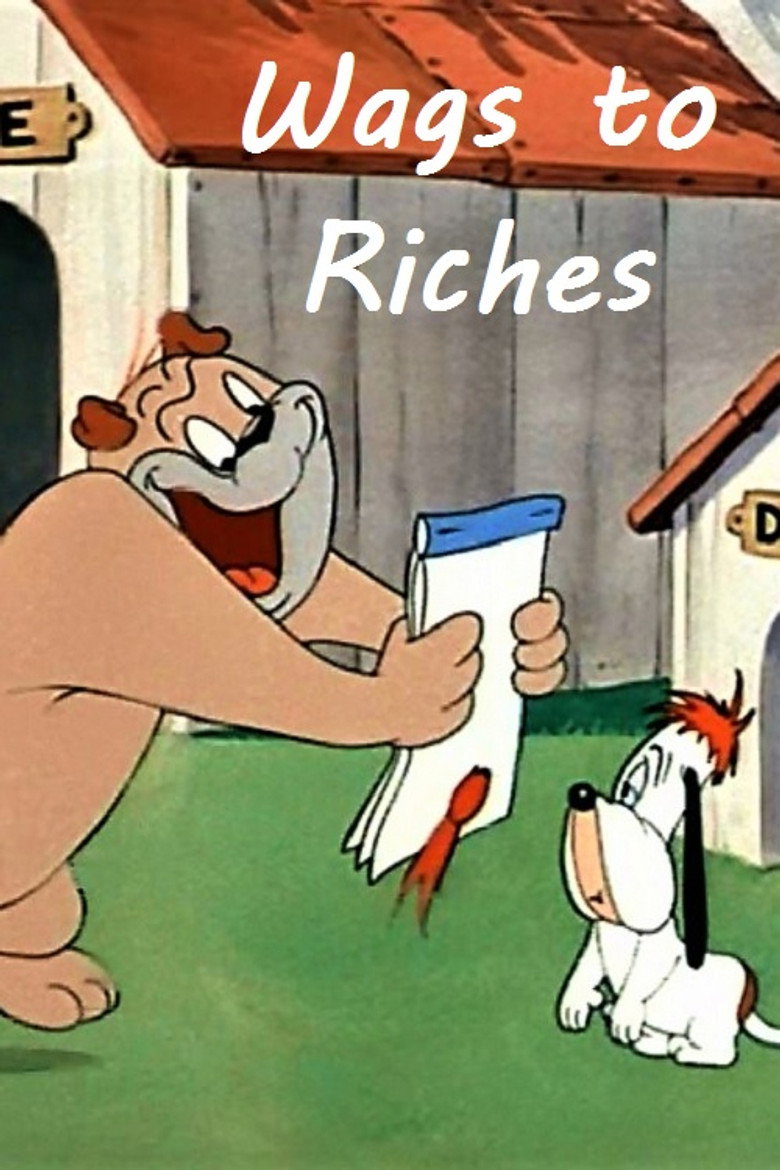
Droopy inherits a fortune, but the will says that if he meets an untimely death all the money will go to Spike, who spends the entire film trying to make this happen.
Overall Score
Limited
Category Breakdown
LGBTQ+ Representation
The film lacks LGBTQ+ characters or narratives that challenge heteronormativity. It follows a standard comedic conflict structure typical of 1949 animation.
Gender Representation
The plot centers on a conflict between two male-coded characters, Droopy and Spike. There is no evidence of female characters or the subversion of gender hierarchies.
Racial & Ethnic Diversity
The narrative focuses on character-driven slapstick without evidence of diverse casting. The score reflects the era's tendency toward homogeneous, traditional character archetypes.
Religious & Cultural Diversity
Themes of wealth and greed serve as comedic catalysts rather than systemic critiques. The story focuses on physical struggle rather than exploring complex cultural institutions.
Disability Representation
Droopy’s low-energy physical presence is a stylistic animation choice rather than a nuanced depiction of disability. There is no evidence of neurodivergent representation.
Strengths
Areas for Improvement
AI Analysis
Wags to Riches is a product of its era, utilizing a traditional slapstick framework that prioritizes physical comedy over social complexity. The narrative is driven by a singular conflict between two male characters, leaving little room for diverse perspectives or intersectional identities. The film relies on established mid-century tropes, focusing on inheritance and greed. While these themes provide a comedic engine, they do not engage with broader cultural or systemic critiques, resulting in a narrow social scope. Ultimately, the lack of diverse character archetypes and the absence of gender or identity-based subversion reflect the standard animation practices of 1949.
1950
1951
1947
1949
1937
1949
1947
1941
1947
1945
1952
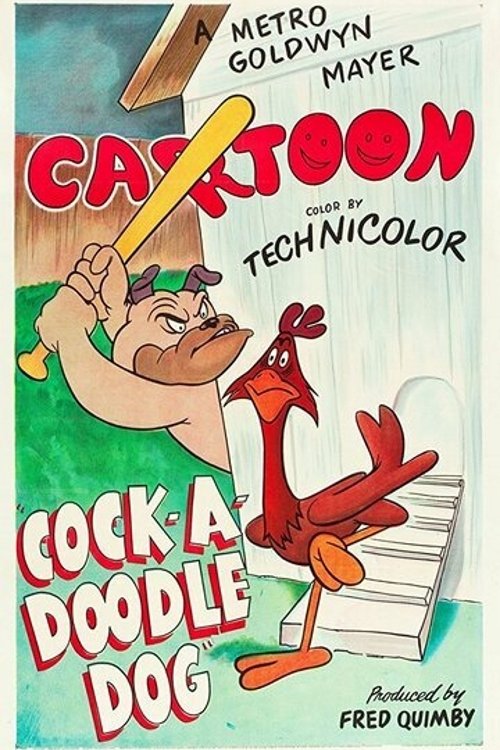
1951
No reviews yet. Be the first to share your thoughts on this movie!
Use the rating form above to leave a star rating and optional review.