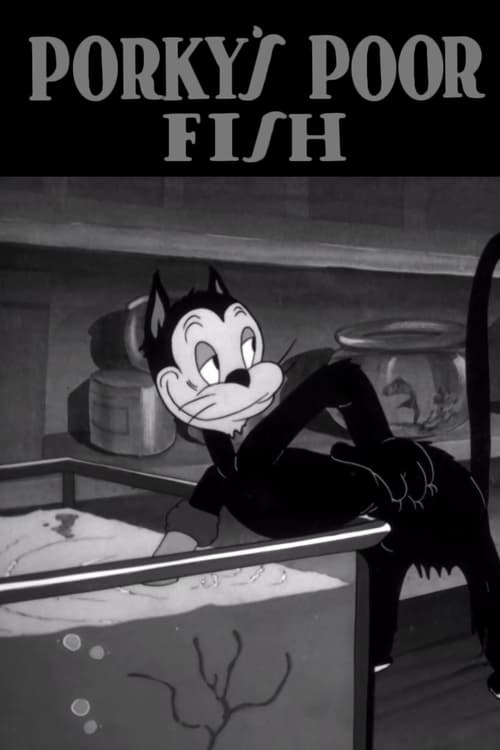
Porky's Poor Fish
1940
No user ratings available yet
Representation score: 0.5 out of 10
Representation Score
Minimal
1947
ApprovedDirector
Tex Avery
Runtime
8 minutes
Average Rating
No ratings yetNew Showbiz Analysis
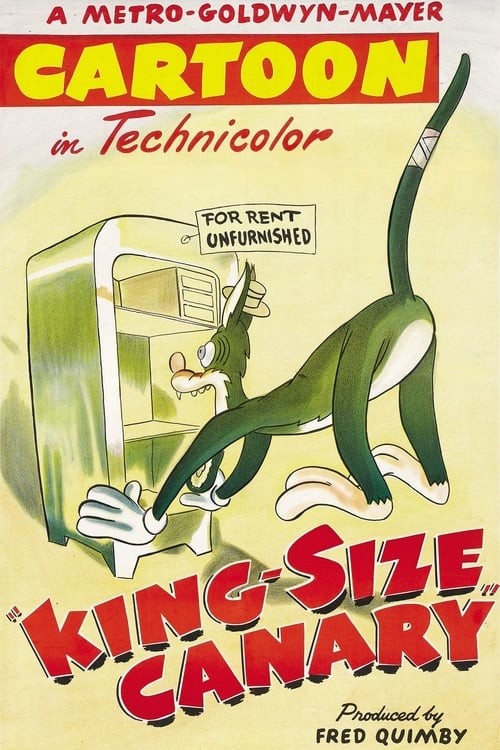
King-Size Canary is a classic example of mid-century surreal comedy. Its narrative structure relies heavily on exaggerated physics and slapstick humor, focusing more on physical gags than character development or social commentary. Operating within the conventional clichés of 1940s animation, the film does not engage with issues of identity or overlapping aspects of diversity. The story centers on the domestic chaos caused by the main plot device, ignoring broader social complexities.
Category Breakdown
The film does not include any identifiable LGBTQ+ characters or romantic relationships. The story revolves around the physical antics of animal characters.
The story follows traditional 1940s gender roles, lacking any subversion of these norms. It emphasizes slapstick humor over any exploration of female empowerment or gender dynamics.
The cast is made up of anthropomorphic animals in a homogeneous setting. There is no indication of ethnic diversity or casting actors from different backgrounds.
The film upholds traditional Western domesticity through its setting. Chaos is presented as a consequence of consumer products, avoiding any critique of social institutions.
There are no depictions of physical or neurological disabilities. Character changes are driven by plot-specific elements rather than reflecting real-life experiences.
Present on Screen
Limited or Absent
Official Synopsis
A hungry cat has the idea of giving "Jumbo Gro" fertilizer to a scrawny canary to make him a bigger meal, which leads to a race between the cat, the canary, a dog, and a mouse to see who can grow the biggest.
1940
1944
1951

1947

1953
1940
1948
1944
No reviews yet. Be the first to share your thoughts on this movie!
Use the rating form above to leave a star rating and optional review.