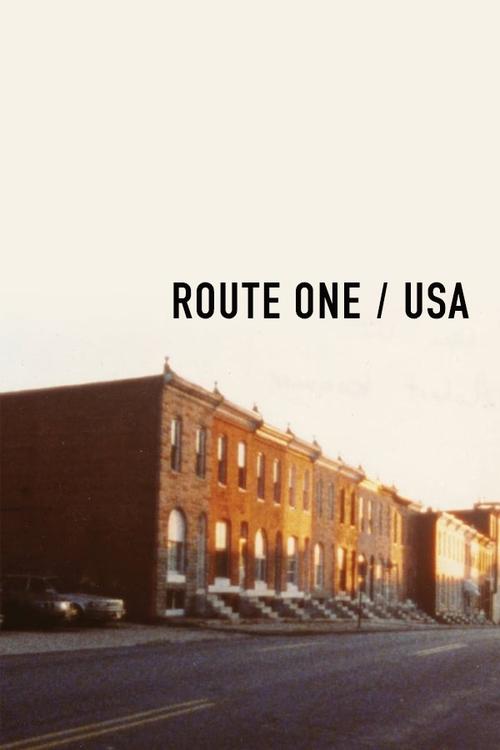
Route One/USA
1989
No user ratings available yet
Diversity score: 4.3 out of 10

1927
Director
Oskar Fischinger
Runtime
4 minutes
Average Rating
No ratings yetSynopsis
In 1927, motivated by a longing for freedom, Fischinger set off on a walking trip from Munich to Berlin. Covering the distance in nearly four weeks, he captured the country’s hidden beauty. His voyage serves as a symbolical transition and underlines a belief that people are the same everywhere.
Overall Score
Fair
Category Breakdown
LGBTQ+ Representation
The film contains no evidence of LGBTQ+ characters or narratives. Its focus on landscape and universal human sameness prioritizes broad humanism over specific identity-based subversions.
Gender Representation
The documentary lacks specific character arcs to evaluate agency. However, the emphasis on a personal longing for freedom suggests a departure from the rigid, domestic-centered narratives common in the 1920s.
Racial & Ethnic Diversity
The central thesis that people are the same everywhere functions as a proto-universalist sentiment. This emphasizes commonality over distinction, subtly challenging the era's nationalist or ethnocentric categorizations.
Religious & Cultural Diversity
The film prioritizes subjective experience and natural beauty over religious or institutional dogmas. It adopts a secular, individualistic approach that favors personal discovery over traditional Western social structures.
Disability Representation
There is no documented evidence regarding the portrayal of individuals with disabilities in this work.
Strengths
Areas for Improvement
AI Analysis
Oskar Fischinger’s documentary is a humanist travelogue that uses a physical journey to explore the concept of shared humanity. By focusing on the 'hidden beauty' of the landscape and the idea that people are fundamentally the same, the film avoids the nationalist tropes prevalent in the 1920s. However, the work lacks specific identity-based representation. Because it prioritizes abstract, universalist themes and landscape over character-driven narratives, it does not provide visibility for LGBTQ+, racial, or gendered identities. Ultimately, the film's strength lies in its philosophical disruption of traditional storytelling rather than in progressive social representation.
1989

1933
1993

1955
1927

1930
1925
1957
1966

2015

1929
1929
No reviews yet. Be the first to share your thoughts on this movie!
Use the rating form above to leave a star rating and optional review.