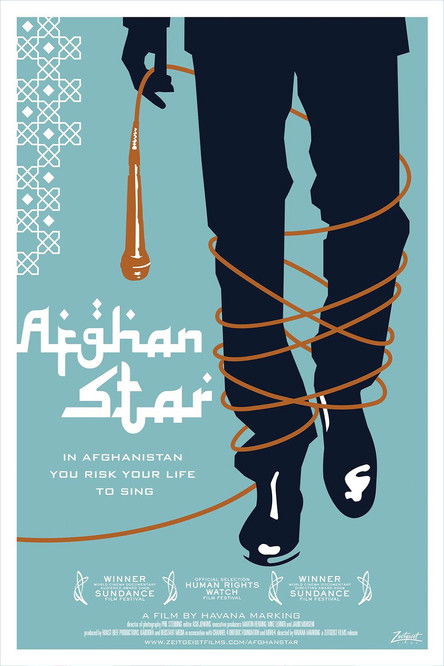
Afghan Star
2008
No user ratings available yet
Diversity score: 5.6 out of 10
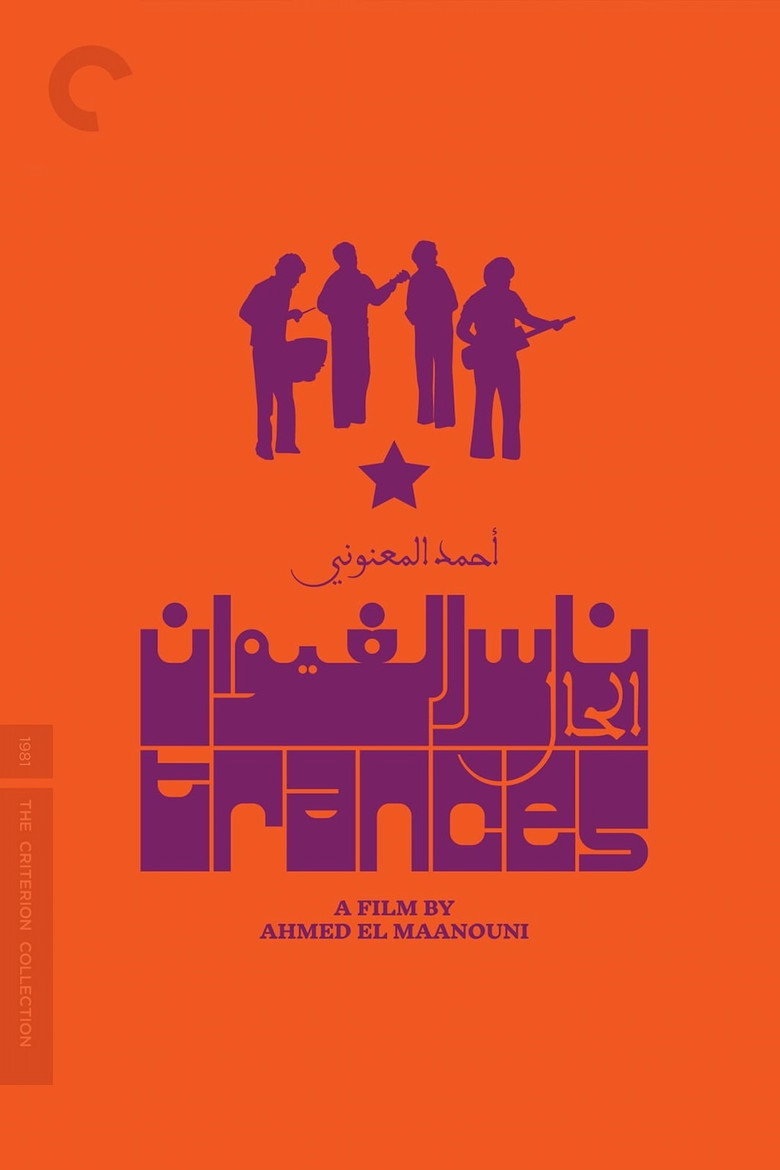
1982
Not RatedDirector
Ahmed El Maânouni
Runtime
90 minutes
Average Rating
No ratings yetSynopsis
A portrait of the groundbreaking Moroccan band Nass El Ghiwane, documenting a series of electrifying live performances in Tunisia, Morocco, and France; on the streets of Casablanca; and in intimate conversations. Storytellers through song and traditional instruments, and with connections to political theatre, the band became a local phenomenon and an international sensation, thanks to their rebellious lyrics and sublime, fully acoustic sound, which draws on Berber rhythms, Malhun sung poetry, and Gnawa dances.
Overall Score
Good
Category Breakdown
LGBTQ+ Representation
The film focuses on communal and ritualistic aspects of Gnawa spirituality. There is no discernible narrative focus on non-cisnormative identities or LGBTQ+ themes.
Gender Representation
The documentary captures male-dominated spaces of Gnawa musical performance. While reflecting specific social structures, the narrative lacks female agency or the subversion of gender hierarchies.
Racial & Ethnic Diversity
The film excels by centering the Gnawa, descendants of enslaved West and Central Africans. It provides high agency to a historically marginalized group through Berber rhythms and Gnawa dances.
Religious & Cultural Diversity
The work prioritizes indigenous spiritualities and oral traditions over Westernized structures. It uses traditional instruments and Malhun poetry to frame local tradition as a force of resistance.
Disability Representation
Ritual trance is presented as a spiritual and cultural practice rather than a clinical disability. There is insufficient evidence to score this category.
Strengths
Areas for Improvement
AI Analysis
Trances is a profound ethnographic study that disrupts the Western gaze by centering the spiritual agency of the Gnawa people. It serves as a cinematic preservation of African diasporic traditions within North Africa, celebrating the intersection of diverse ethnic lineages. The film's strength lies in its reclamation of heritage, using the music of Nass El Ghiwane to challenge monolithic views of Moroccan identity. By focusing on the rhythms and poetry of the Gnawa, it elevates indigenous voices and resists cultural hegemony. However, the documentary adheres to the traditional gender roles of its subject matter. The focus remains on male-dominated ritual spaces, offering little representation of female agency or diverse gender identities.
2008
1976
1968

2018

2017
2007
2022
2016
1957
1980

2009
2006
No reviews yet. Be the first to share your thoughts on this movie!
Use the rating form above to leave a star rating and optional review.