
Finding Fela
2014
No user ratings available yet
Representation score: 6.6 out of 10
Representation Score
Fair
2006
Not RatedDirector
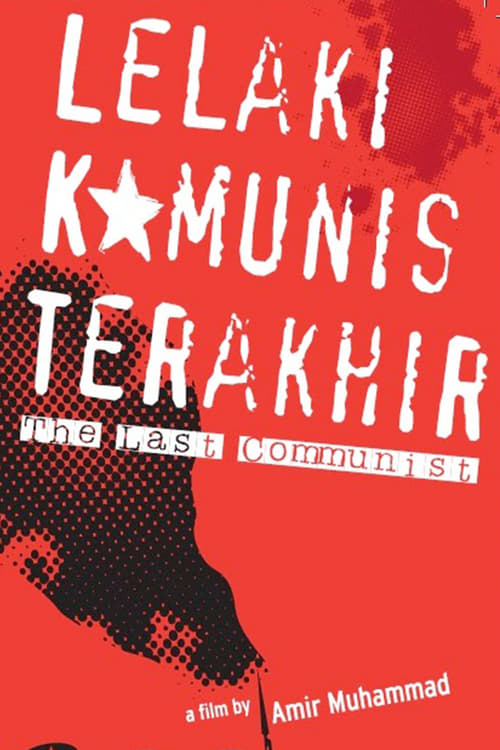
Amir Muhammad
Runtime
90 minutes
Average Rating
No ratings yetNew Showbiz Analysis
Amir Muhammad’s documentary serves as a deconstructive tool that challenges official state histories. It succeeds by re-centering a underrepresented political identity through a post-colonial lens, effectively disrupting traditional Western-aligned historical hierarchies. However, the film's narrow biographical focus limits its breadth. The narrative architecture is heavily centered on male political figures, which results in low scores for gender and LGBTQ+ representation. Ultimately, the work excels in its cultural and racial disruption. It moves away from mainstream, state-aligned accounts to offer a more complex, anti-establishment perspective on Southeast Asian history.
Category Breakdown
The film does not explicitly depict LGBTQ+ identities. The narrative focuses solely on the political biography of Chin Peng, leaving little room for queer-coded subtext.
The documentary emphasizes a male-dominated political sphere. Since the subject matter centers on the leadership of the Communist Party of Malaya, women's ability to drive the story remains largely unexplored.
The film disrupts Eurocentric historical lenses by centering a non-Western figure. It provides a profound exploration of identity within a post-colonial Southeast Asian context.
The documentary challenges state-sanctioned historical narratives and Western-aligned political institutions. Its use of composed songs offers a subjective, nuanced view of a traditionally vilified figure.
There is no evidence of disability, neurodivergence, or chronic illness being central themes. The film does not address these elements within its biographical framework.
Present on Screen
Limited or Absent
Official Synopsis
A travel documentary essay, interspersed with specially composed songs, about the early life and legacy of Chin Peng, exiled leader of the banned Communist Party of Malaya.
2014
2017

2019
1999
2002

2007
2017

2010
No reviews yet. Be the first to share your thoughts on this movie!
Use the rating form above to leave a star rating and optional review.