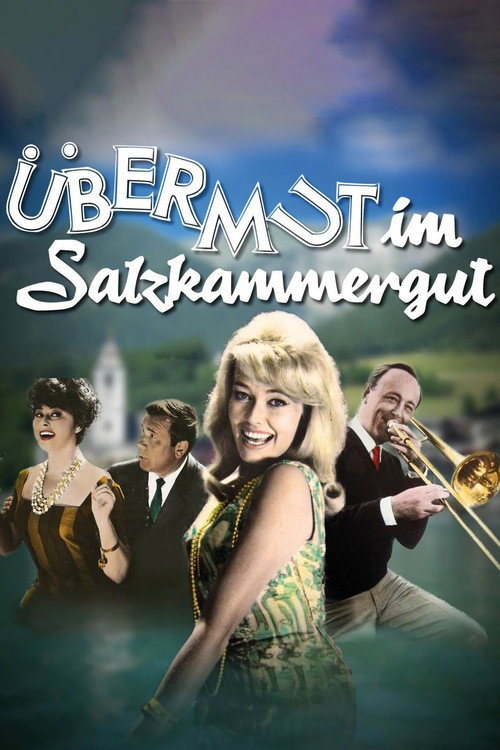
Übermut im Salzkammergut
1963
No user ratings available yet
Representation score: 0.4 out of 10

Representation Score
Minimal
1952
ApprovedDirector
Arthur Maria Rabenalt
Runtime
103 minutes
Average Rating
No ratings yetNew Showbiz Analysis
Die Försterchristl is a quintessential mid-century traditionalist film that prioritizes escapism over social disruption. The narrative structure emphasizes established social, gender, and ethnic hierarchies rather than challenging them. The film adheres to the conservative cinematic standards of 1952 Austria, focusing on a localized, ethnically homogeneous community. It employs classic archetypes, such as the romantic ingenue and the powerful male authority figure, to propel its narrative. Ultimately, the work celebrates regional stability and traditional social order, offering a cohesive but non-diverse view of society that aligns with the era's cultural norms.
Category Breakdown
The film follows a strictly heterosexual storyline with no representation of LGBTQ+ identities or non-binary gender roles.
Christl embodies traditional feminine virtues and petitions the Emperor, showcasing her initiative. However, male figures hold institutional power throughout the film.
The film depicts an ethnically uniform Alpine community without representing diverse racial or ethnic backgrounds.
The story upholds traditional Alpine folklore and regional identity, reinforcing established social hierarchies without challenging them.
There are no visible or invisible disabilities that play a central role in the character arcs or plot progression.
Present on Screen
Limited or Absent
Official Synopsis
Christl, the forester’s daughter, apprehends a young hunter in the forest and only lets him go after he pays a small fine. But when Christl goes to the emperor shortly afterward to plead on behalf of her beloved—a Hungarian officer who has fallen out of favor—she can hardly believe her eyes: the young hunter was the emperor.
1963
1955
1955
1959
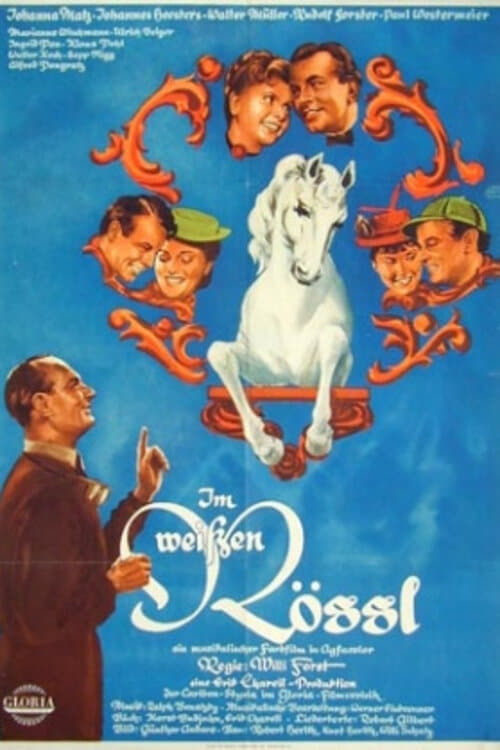
1952
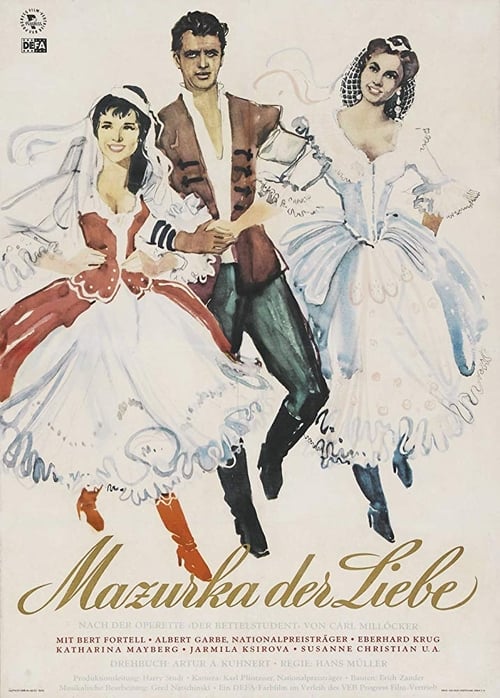
1957
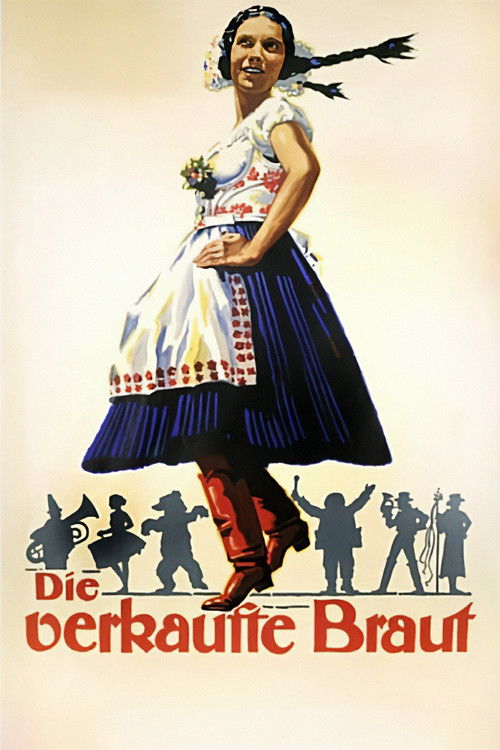
1932
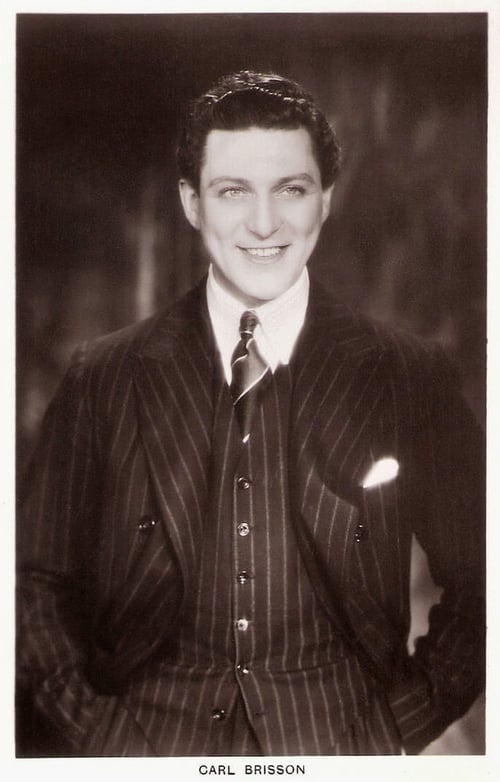
1933
No reviews yet. Be the first to share your thoughts on this movie!
Use the rating form above to leave a star rating and optional review.