
All a Bir-r-r-d
1950
No user ratings available yet
Representation score: 0.3 out of 10
Representation Score
Limited
1959
Director
John Hubley
Runtime
10 minutes
Average Rating
No ratings yetNew Showbiz Analysis
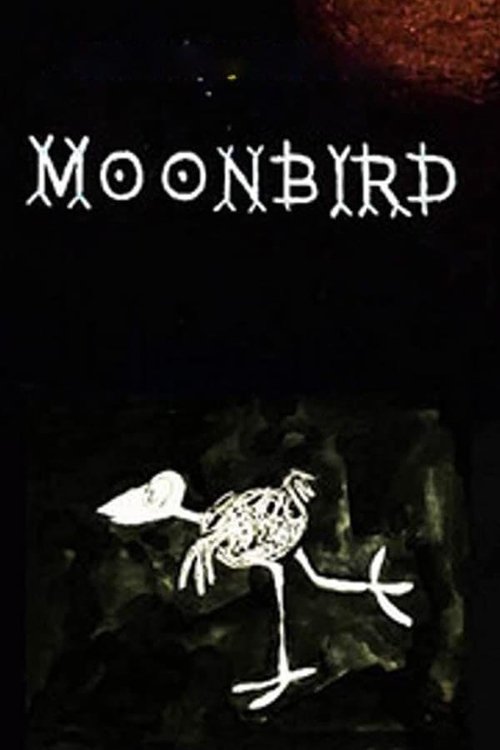
Moonbird serves as an exercise in experimental aestheticism rather than social commentary. Its primary impact lies in its deconstruction of traditional narrative form and its departure from the rigid, literalist storytelling common in 1950s mainstream animation. While the film avoids reinforcing many social hierarchies, it does so through abstraction rather than intentional character-driven actions. The lack of humanoid characters means the film remains neutral regarding specific identity-based social dynamics. Ultimately, the work disrupts conventional cinematic expectations by prioritizing surrealism over didacticism, though it offers little in the way of explicit characters who reflect more than one aspect of diversity.
Category Breakdown
The film uses abstract, non-humanoid forms and surreal imagery. Since the characters lack human gender markers or social identities, there is no explicit depiction of LGBTQ+ identities.
The narrative structure avoids traditional gender hierarchies by using non-humanoid entities. This approach sidesteps reinforcing traditional masculine leadership or submissive femininity, although it does not actively challenge these roles through character actions.
The film employs a highly stylized, abstract visual language. The absence of human characters prevents specific racial depictions, but the abstract forms avoid reinforcing homogeneous white-centric casting.
The film focuses on subjective experience and poetic movement rather than traditional Western moral structures. It avoids promoting singular religious or patriotic ideals, emphasizing instead a secular, surrealist exploration.
The characters are abstract entities. There is no evidence of physical or neurodivergent representation, nor is there any use of disability as a plot device.
Present on Screen
Limited or Absent
Official Synopsis
Two boys go outside at night to capture a bird. Preserved by the Academy Film Archive in 2003.
1950
1965
1950
1944
1939
1969
1940
1954
No reviews yet. Be the first to share your thoughts on this movie!
Use the rating form above to leave a star rating and optional review.