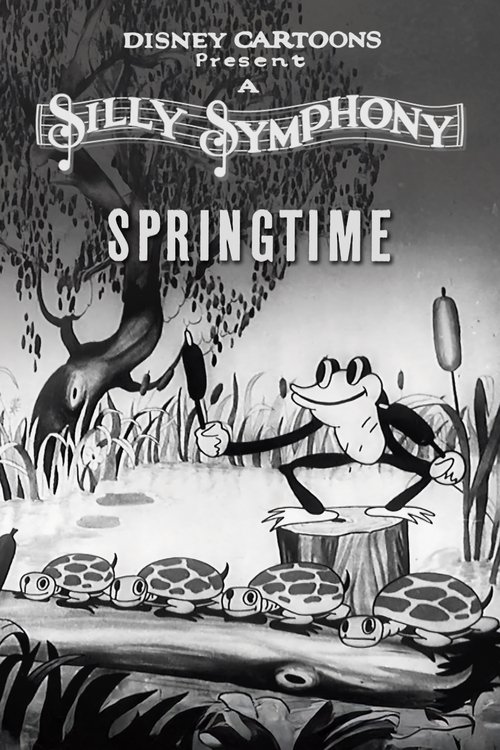
Springtime
1929
No user ratings available yet
Representation score: 0.4 out of 10
Representation Score
Minimal
1936
ApprovedDirector
William Hanna, Hugh Harman, Paul Fennell
Runtime
9 minutes
Average Rating
No ratings yetNew Showbiz Analysis
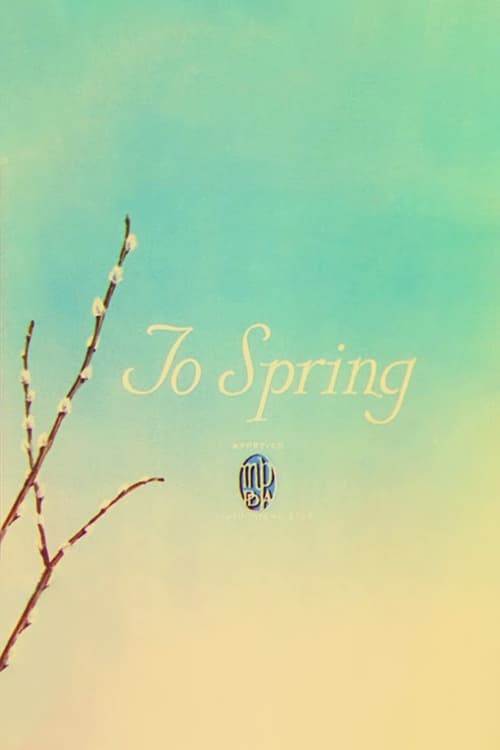
To Spring is a product of its era, adhering to traditional storytelling structures prevalent in early 20th-century American animation. The narrative relies on mythological gnomes to personify the changing seasons, resulting in a highly homogeneous cast. The film lacks intentional diverse representation or any disruption of established social hierarchies. Instead, it reinforces conventional views of industry and nature through its focus on functional, able-bodied labor. Ultimately, the work functions as a simple celebration of nature rather than a vehicle for social or cultural exploration, reflecting the limited scope of animation during this period.
Category Breakdown
The film does not depict any non-straight or non-cisgender identities or same-sex relationships. The storyline focuses on seasonal cycles through a mythological lens rather than on LGBTQ+ themes.
The story centers on gnomes performing industrial tasks like manufacturing colors, which aligns with traditional masculine roles common in 1930s animation.
The cast consists of non-human gnomes, reinforcing homogeneous, Eurocentric folkloric clichés. There is no evidence of diverse racial representation.
The film celebrates natural cycles and seasonal change through a traditionalist lens. It lacks engagement with complex themes like secularism or critiques of Western institutions.
There are no characters with visible or invisible disabilities. The focus remains on the collective, able-bodied labor required to manufacture the coming spring.
Present on Screen
Limited or Absent
Official Synopsis
Gnomes greet the coming of spring by manufacturing various bright colours.
1929
1936
1963

1934
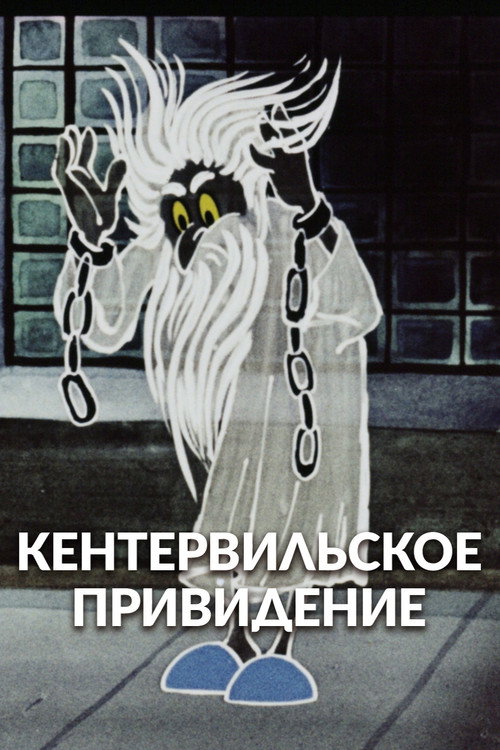
1970
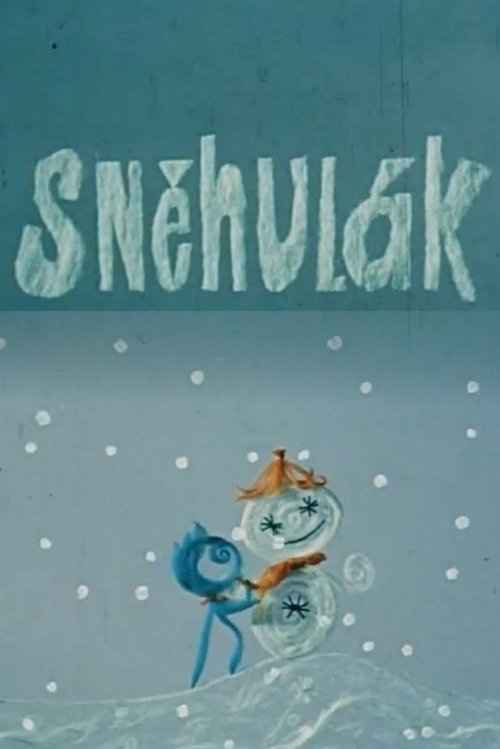
1966
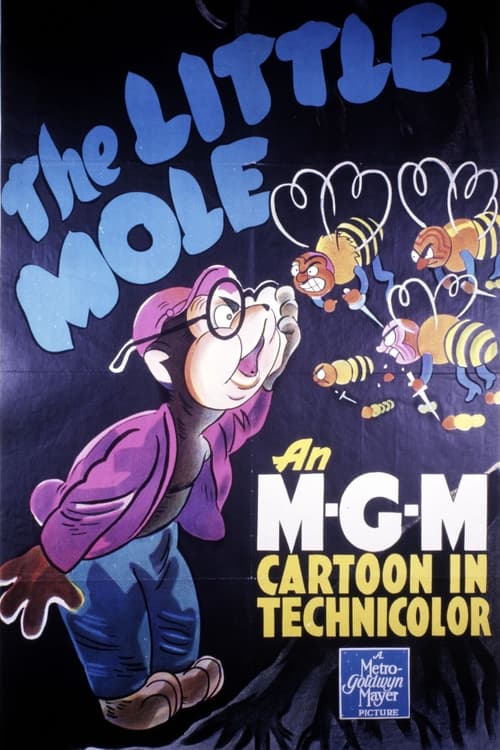
1941
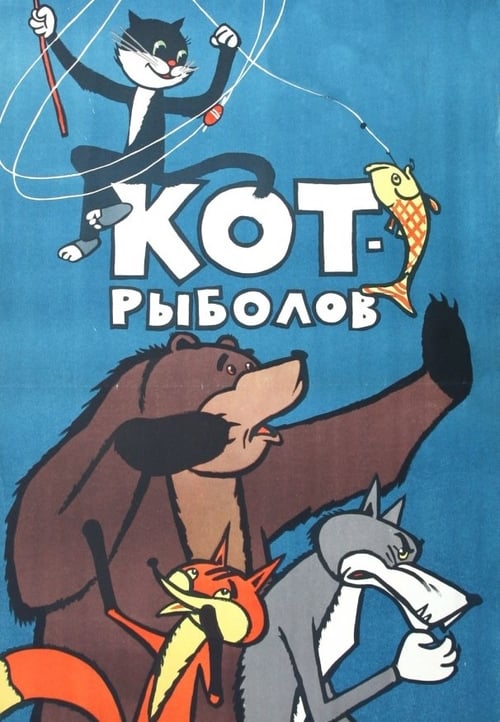
1964
No reviews yet. Be the first to share your thoughts on this movie!
Use the rating form above to leave a star rating and optional review.