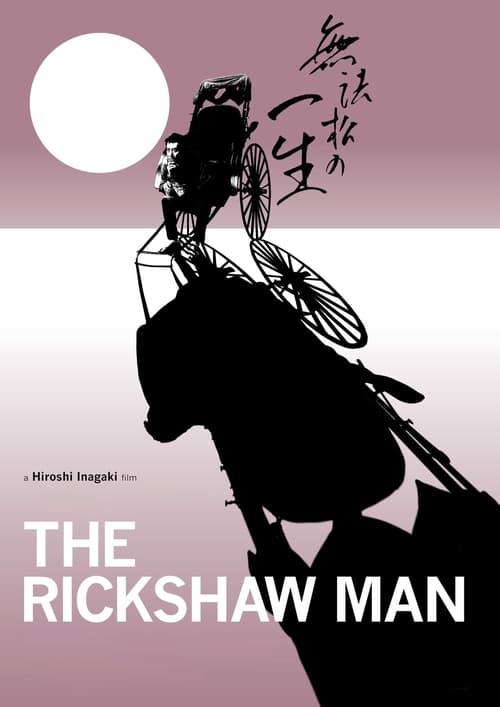
The Rickshaw Man
1958
No user ratings available yet
Representation score: 1.2 out of 10
Representation Score
Limited
1955
Director
Seiji Hisamatsu
Runtime
111 minutes
Average Rating
No ratings yetNew Showbiz Analysis
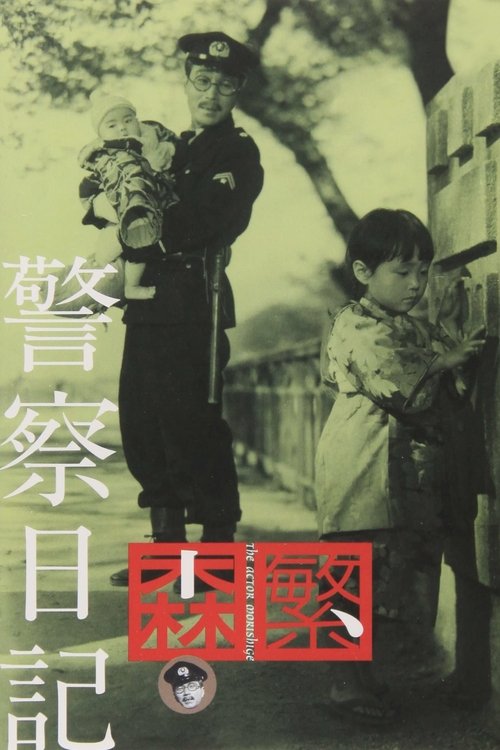
Policeman's Diary is a humanistic social drama that shifts the focus of law enforcement from crime to social welfare. By centering on a patrolman performing domestic duties, the film highlights the limitations of state institutions like welfare offices and orphanages. While the film lacks modern multi-layered markers, it offers a meaningful look at individual compassion within a structured society. It succeeds in humanizing the police force through a lens of community care rather than mere punishment. However, the film remains rooted in the traditional social hierarchies of mid-century Japan. It adheres to the demographic and gender norms of its time, offering little in the way of diverse representation.
Category Breakdown
The film does not include any LGBTQ+ characters or stories. It centers on traditional family and civic structures from the period.
The story focuses on the domestic and civic duties of a male patrolman. Although a young girl is present, the male protagonist remains the primary decision-maker.
The production reflects the homogeneous demographics of 1955 Japan. There is no indication of multicultural settings or diverse casting.
The narrative explores the tension between individual morality and rigid bureaucracy. It emphasizes communal stability and the significance of civic order.
There is no information about characters with visible or invisible disabilities in the provided narrative.
Present on Screen
Limited or Absent
Official Synopsis
Lending money, job hunting for civilians and babysitting. All these things are usually not listed on a policeman's job description. But for the officers of this local police station, it‘s part of their daily routine. One day, patrolman Yoshii (Hisaya Morishige) finds an abandoned baby and a six year old girl standing in front of the station. When he's declined by the welfare office, orphanage and local health clinic to take them in, he decides to take care of them himself.
1958
1951
1947
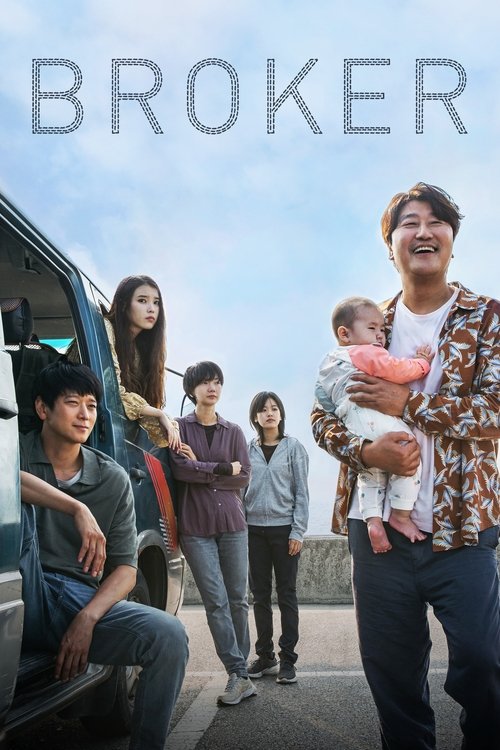
2022
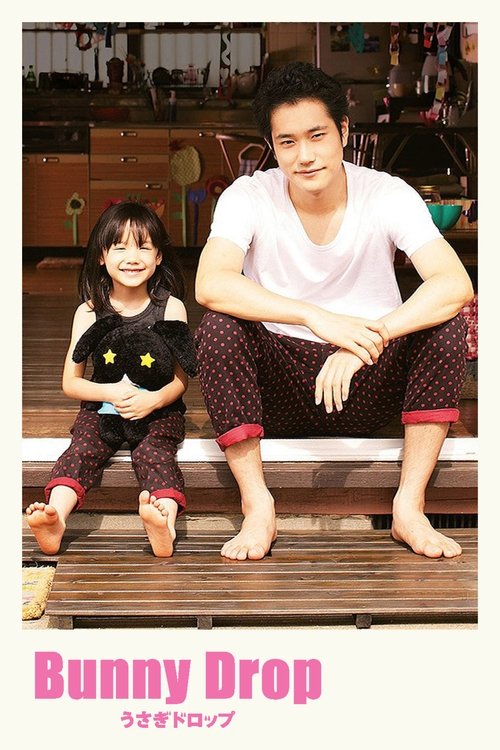
2011
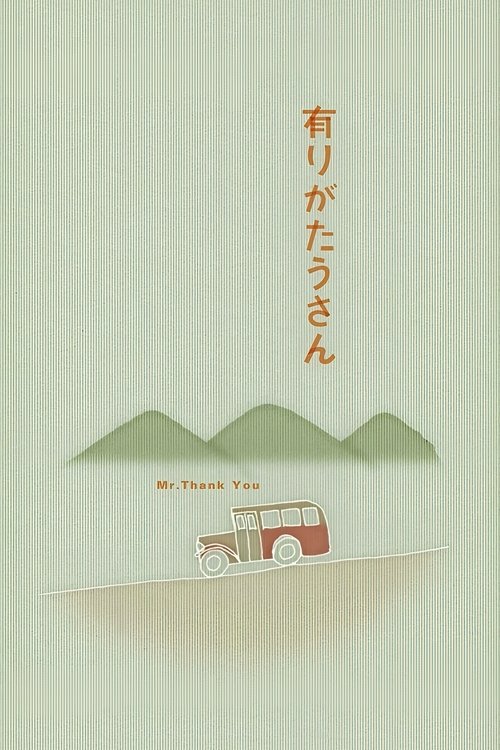
1936
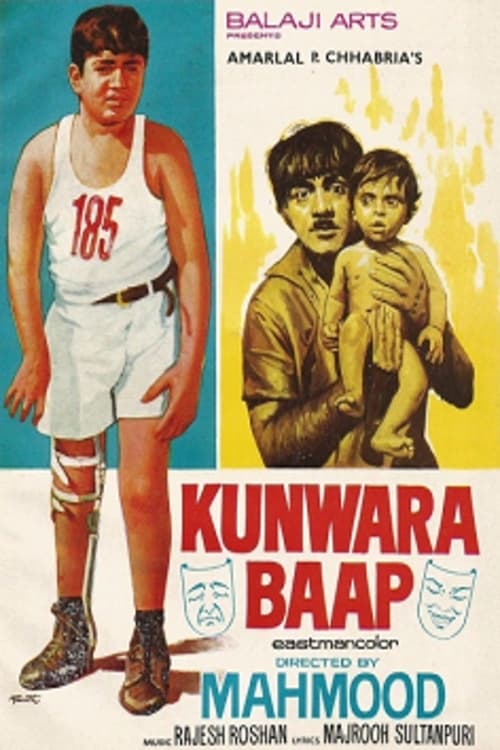
1974
1986
No reviews yet. Be the first to share your thoughts on this movie!
Use the rating form above to leave a star rating and optional review.