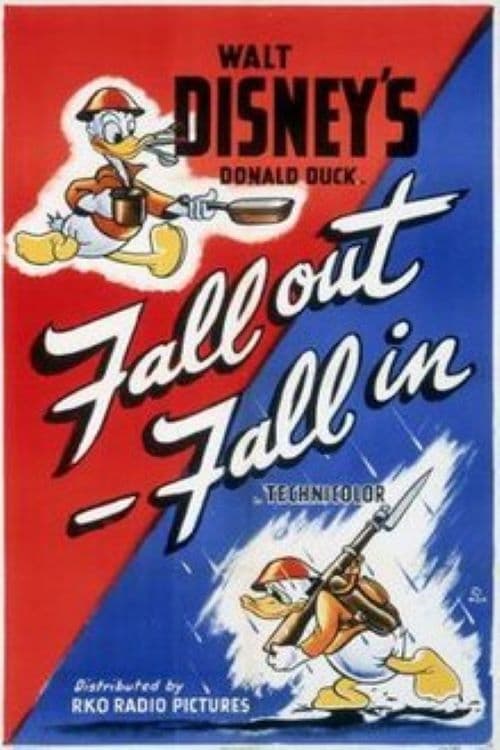
Fall Out - Fall In
1943
No user ratings available yet
Representation score: 0.3 out of 10
Representation Score
Minimal
1943
NRDirector
Jack King
Runtime
6 minutes
Average Rating
No ratings yetNew Showbiz Analysis
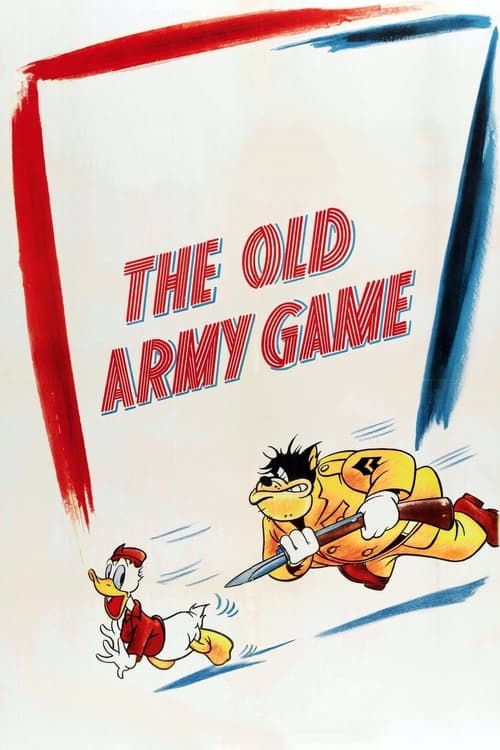
The Old Army Game is a period-specific animated short that functions as a standard comedic vignette within the wartime military genre. It relies on established clichés of mid-century humor, focusing on the friction between individual soldiers and institutional discipline. Because the film is set within an all-male military barracks, it does not engage with gender diversity or multi-layered dynamics. Instead, it adheres to the rigid social hierarchies and homogeneous casting conventions typical of 1943 animation. The narrative reinforces mid-century social and institutional norms without challenging them. It prioritizes cohesive, traditionalist depictions of national service over demographic diversity or narrative complexity.
Category Breakdown
The film does not depict any non-binary gender identities or same-sex relationships. It operates within a framework that assumes everyone is straight and cisgender.
The setting is an all-male environment, which excludes any gender-based interactions. The film reinforces traditional masculine roles without giving women a significant role in driving the story.
The cast reflects the homogeneous demographics typical of 1940s American animation. There is no significant racial or ethnic diversity or characters who reflect more than one aspect of diversity.
The narrative aligns with the patriotic and institutional sentiments of the wartime era. It adheres to the established social order and sense of duty.
There is no depiction of characters with visible or invisible disabilities. Characters serve as archetypal comedic figures rather than nuanced representations of disability.
Present on Screen
Limited or Absent
Official Synopsis
The old shell game gets a new face as Donald stays off-base past "Taps" and has to try to sneak back in with out alerting Pete.
1943
1942
1942
1943
1945
1942
1941
1941
No reviews yet. Be the first to share your thoughts on this movie!
Use the rating form above to leave a star rating and optional review.