The Flying Doctors of East Africa
1970
No user ratings available yet
Representation score: 3.7 out of 10
Representation Score
Limited
1991
Director
Werner Herzog
Runtime
82 minutes
Average Rating
No ratings yetNew Showbiz Analysis
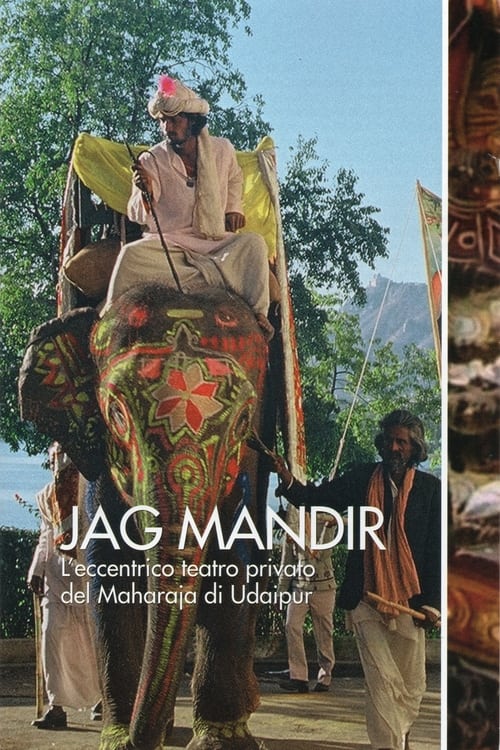
Werner Herzog’s documentary serves as a vital ethnographic record of a theatrical performance in Udaipur. It excels at highlighting South Asian identity and cultural mythology, providing a non-Western perspective on traditional festivities. However, its observational nature means it upholds existing social hierarchies. While it offers significant visibility for Indian culture, it lacks representation of LGBTQ+ identities or disability-focused narratives.
Category Breakdown
The film centers on traditional mythological storytelling and royal ceremonies. It does not include any non-cisgender identities or narratives that challenge the assumption that everyone is straight.
The documentary reflects the current social and ceremonial structures of the Udaipur palace. It captures various performers but does not actively challenge traditional gender roles.
The film highlights South Asian identity by focusing on the mythology and festivities of Rajasthan. It avoids Western-centric perspectives and instead presents a non-Western view of the region.
The work preserves traditional concepts of monarchy and religious rituals. It respects the sanctity of the Maharana’s court without prioritizing narratives that challenge institutional norms.
There is no evidence of the portrayal of physical or neurodivergent disabilities within the film's documentation of the festival.
Present on Screen
Limited or Absent
Official Synopsis
Jag Mandir is a quiet and often overlooked film in the vast oeuvre of Werner Herzog. Apparently, 20 hours of footage was shot that covered the whole fest and the film hardly presents us a twentieth of that. A native walking into the film in between may well fail to immediately realize that it is his country that is being shown and these are figures from the mythology of various sections of his nation. The bulk of the film consists of footage of an elaborate theatrical performance for the Maharana Arvind Singh Mewar at the City Palace of Udaipur, Rajasthan staged by André Heller.
1970

1982
1985
2016
2003
2010

1999

1990
No reviews yet. Be the first to share your thoughts on this movie!
Use the rating form above to leave a star rating and optional review.