
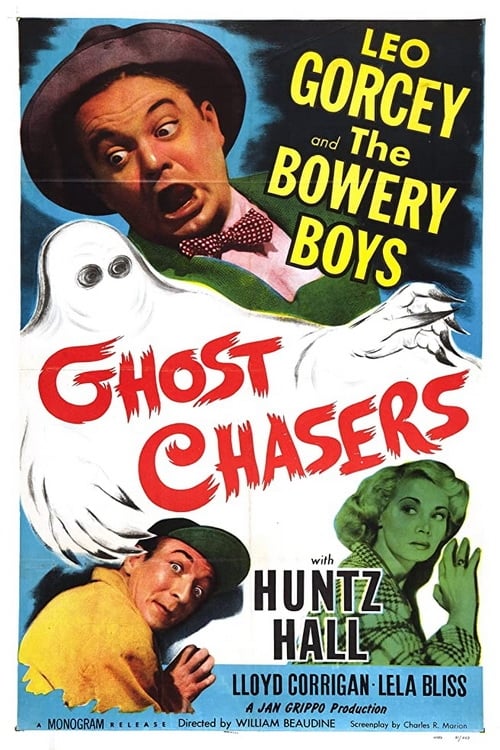
Spook Busters
1946
No user ratings available yet
Representation score: 2.9 out of 10
Representation Score
Limited
1951
ApprovedDirector
William Beaudine
Runtime
69 minutes
Average Rating
No ratings yetNew Showbiz Analysis
Ghost Chasers is a conventional mid-century studio comedy that functions as a product of its time. It relies on established genre clichés rather than progressive storytelling, reinforcing the social and demographic hierarchies of the early 1950s. The narrative structure follows a standard episodic format, focusing on a male-centric group of urban youths. This focus limits the scope of representation, as control is concentrated within a homogeneous ensemble. Ultimately, the film serves as a traditional genre-blending piece, prioritizing standard morality and established character types over any meaningful subversion of social or cultural norms.
Category Breakdown
The film adheres to the assumption that everyone is straight or cisgender, with no critique of social norms within the narrative.
The story centers on a male-dominated ensemble, emphasizing traditional gender roles without challenging established hierarchies.
The cast reflects a largely homogeneous social environment typical of 1951 studio productions, emphasizing a specific, localized working-class identity.
The narrative uses standard clichés of law and order to define heroes and villains, lacking engagement with anti-institutional critiques or moral relativism.
The film likely uses mental or physical differences as shorthand for villainy or eccentricity. There is no evidence of characters with disabilities having meaningful control over their actions.
Present on Screen
Limited or Absent
Official Synopsis
A ghost helps the Bowery Boys capture a gang of crooks led by a mad doctor.
1946
1948
1943

1951
1944
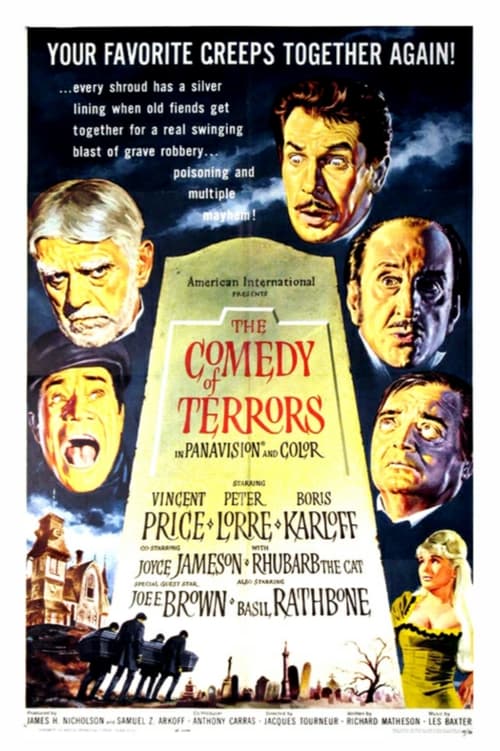
1964
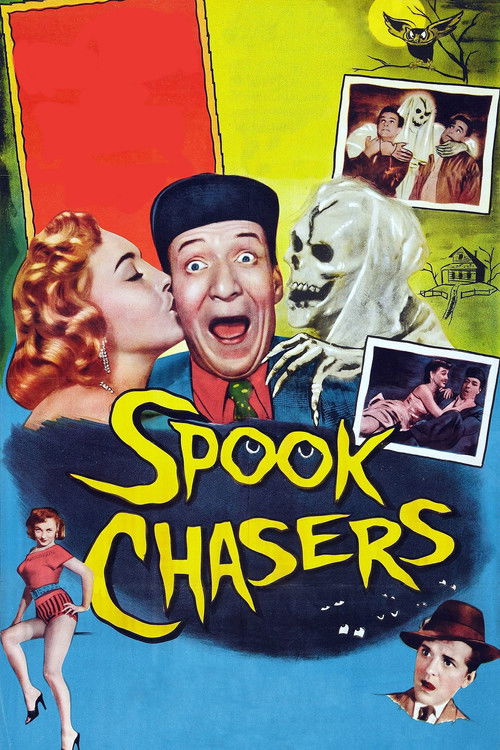
1957
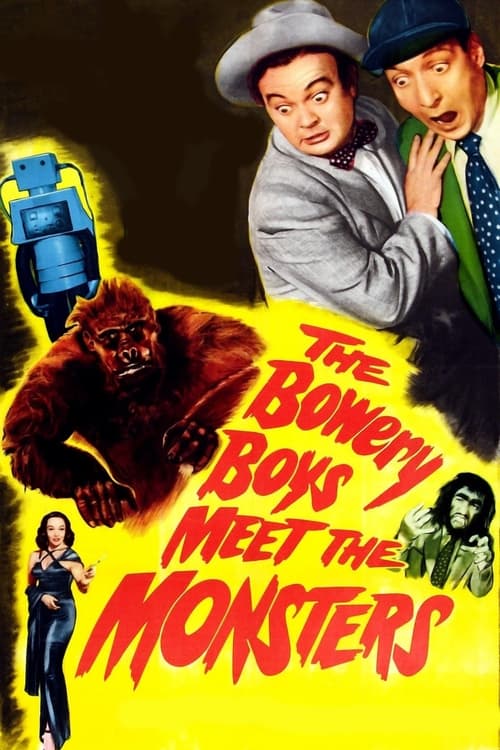
1954
No reviews yet. Be the first to share your thoughts on this movie!
Use the rating form above to leave a star rating and optional review.