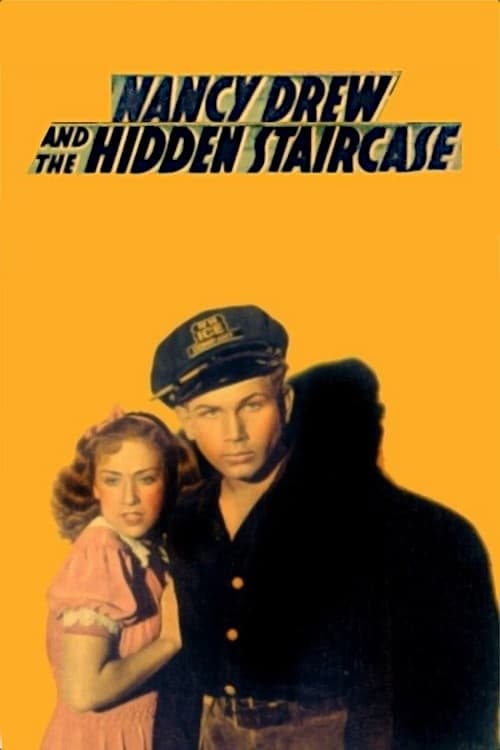
Nancy Drew and the Hidden Staircase
1939
No user ratings available yet
Representation score: 1.5 out of 10

Representation Score
Limited
1939
NRDirector
William Clemens
Runtime
68 minutes
Average Rating
No ratings yetNew Showbiz Analysis
Nancy Drew... Reporter stands as a study in the contradictions of 1930s studio filmmaking. While the film's demographic focus is narrow, it presents a progressive departure from the era's typical female roles through its central character. Nancy Drew is shown with intellectual independence and investigative authority that challenges the gender hierarchies of the time. She is a competent leader rather than a domestic figure, navigating professional spaces with confidence. However, this leadership is contained within a very traditional framework. The film lacks racial, LGBTQ+, and disability representation, maintaining a singular cultural norm that aligns with the conservative social values of the period.
Category Breakdown
The film does not feature any identifiable LGBTQ+ characters or relationships that go beyond the assumption that everyone is straight or cisgender. It follows the traditional mystery structure typical of 1930s cinema.
Nancy Drew is a proactive and intellectually driven protagonist who challenges the passive expectations of women in the 1930s. She leads the investigation with significant influence and authority in professional settings.
The casting is predominantly white, reflecting the demographic standards of 1939 Hollywood. There is no indication of significant racial or ethnic diversity among the main cast.
The story upholds traditional moral clarity and social order, celebrating individual competence and the restoration of order within legal and journalistic frameworks.
The film does not prominently depict characters with visible or invisible disabilities. Characters with disabilities are neither central to the plot nor used as thematic elements.
Present on Screen
Limited or Absent
Official Synopsis
While participating in a contest at a local newspaper in which school children are asked to submit a news story, local attorney Carson Drew's daughter Nancy intercepts a real story assignment. She "covers" the inquest of the death of a woman who was poisoned. Nancy doesn't think the young woman accused of the crime is guilty and corrals her neighbor Ted into searching for a vital piece of evidence and stumbles onto the identity of the real killer.
1939
1947
1939
1941
1938
1983

1930
1961
No reviews yet. Be the first to share your thoughts on this movie!
Use the rating form above to leave a star rating and optional review.