
Pink Panzer
1965
No user ratings available yet
Diversity score: 2.9 out of 10

1953
Director
Chuck Jones
Runtime
7 minutes
Average Rating
No ratings yetSynopsis
Bugs Bunny gets a draft notice by mistake and joins the army, with disastrous results, especially for the sergeant of his platoon.
Overall Score
Limited
Category Breakdown
LGBTQ+ Representation
The film lacks any LGBTQ+ characters or narratives addressing non-cisnormative identities. The story focuses exclusively on the protagonist's interactions with military authority.
Gender Representation
The setting is a male-dominated military environment. Comedy arises from the subversion of traditional masculine leadership and the deconstruction of the competent sergeant archetype.
Racial & Ethnic Diversity
Reflecting its 1953 origins, the work shows significant demographic homogeneity. There is no evidence of a diverse cast or varied ethnic representation.
Religious & Cultural Diversity
The narrative offers a critique of Western institutional rigidity. It uses the military to satirize state authority and the disruption of systemic discipline.
Disability Representation
There is no information regarding the portrayal of physical or neurodivergent disabilities. The focus remains on character-driven situational irony.
Strengths
Areas for Improvement
AI Analysis
Forward March Hare functions as a mid-century satire centered on the friction between individualistic chaos and institutional order. The comedy relies on Bugs Bunny destabilizing a highly structured military hierarchy, specifically targeting the archetype of the disciplined leader. While the film lacks intersectional representation or diverse casting, it finds its progressive edge in the subversion of authority. It prioritizes the disruptive force of the individual over the preservation of traditional social and military structures. Ultimately, the work is a traditional comedy that uses situational irony to mock systemic rigidity rather than engaging with identity politics.
1965
1968
1950
1949
1955
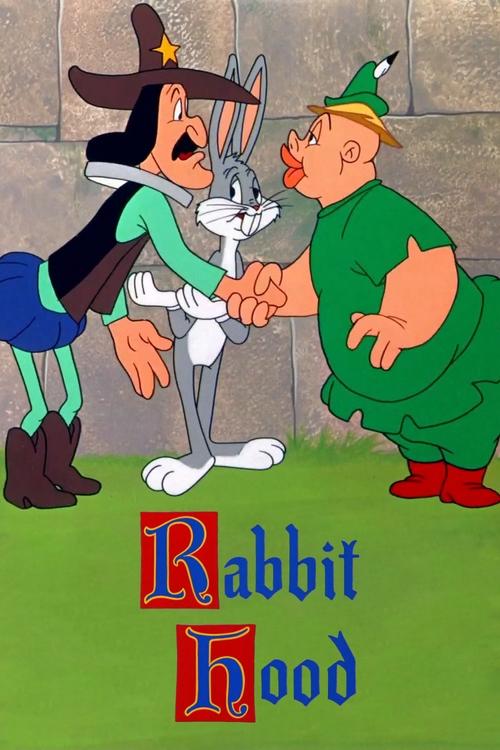
1949
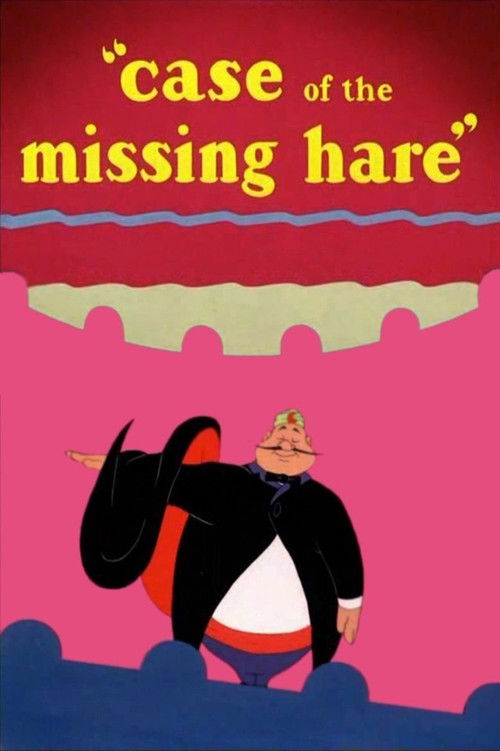
1942
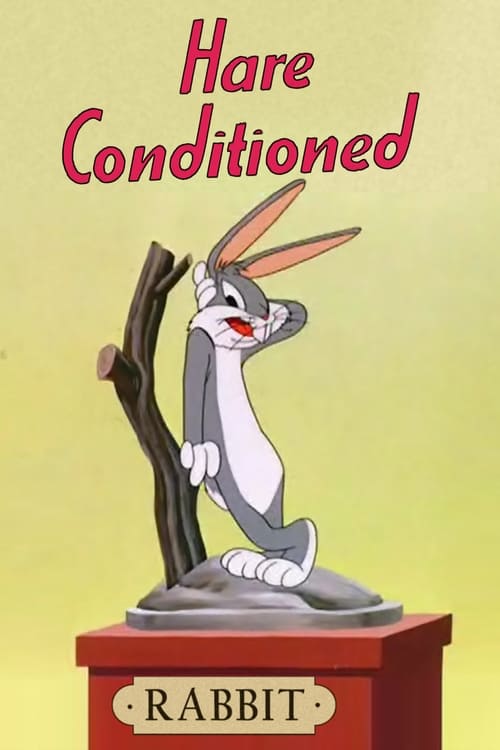
1945
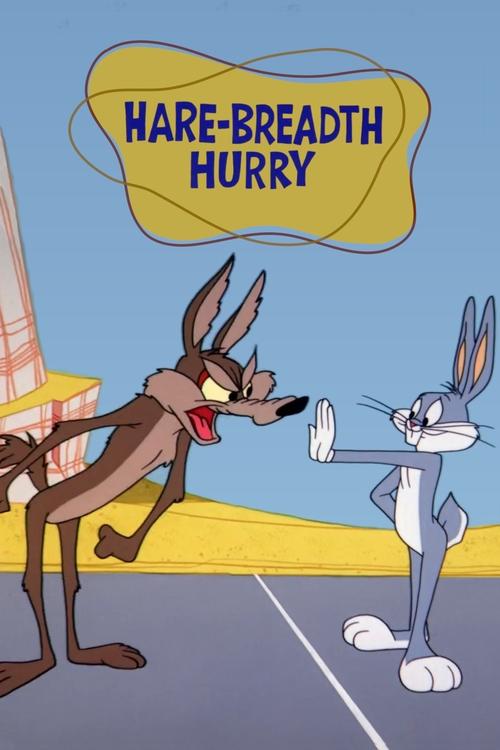
1963
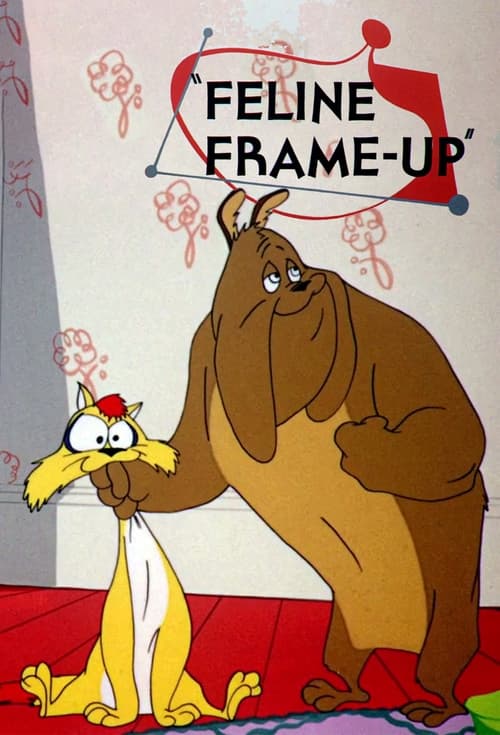
1954
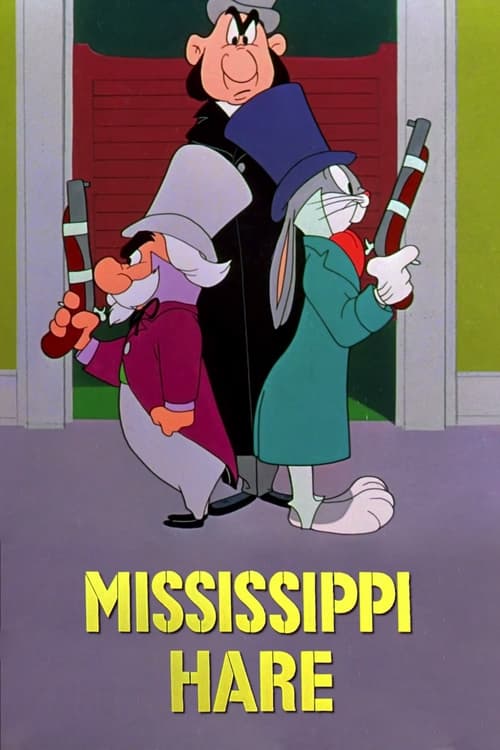
1949
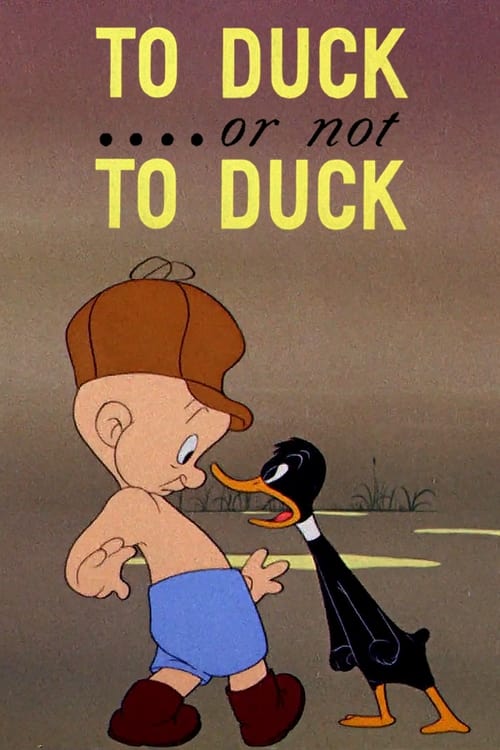
1943
No reviews yet. Be the first to share your thoughts on this movie!
Use the rating form above to leave a star rating and optional review.