Goldimouse and the Three Cats
1960
No user ratings available yet
Diversity score: 1.9 out of 10
1963
Director
Chuck Jones
Runtime
7 minutes
Average Rating
No ratings yetSynopsis
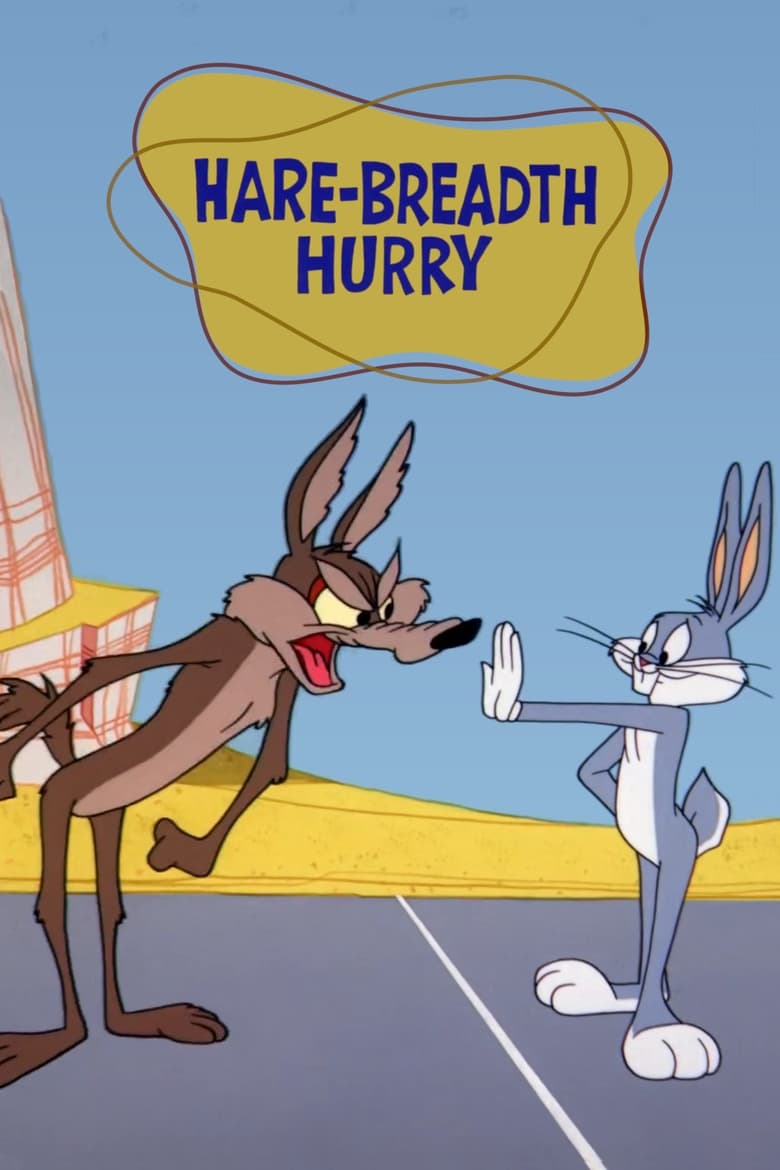
When Bugs Bunny takes the Road Runner's place in this Wile E. Coyote cartoon, the roles and rules become confused.
Overall Score
Minimal
Category Breakdown
LGBTQ+ Representation
The film lacks any evidence of non-heteronormative identities. The narrative focus remains strictly on the comedic mechanics of character role reversal.
Gender Representation
The story centers on animal archetypes rather than human gender dynamics. Role subversion pertains to species-based tropes instead of dismantling gender hierarchies.
Racial & Ethnic Diversity
The work utilizes anthropomorphic animals within a traditional mid-century framework. There is no indication of racial blending or ethnic metaphors.
Religious & Cultural Diversity
The film operates within standard comedic traditions of its era. It does not explicitly engage with secular or anti-institutional themes.
Disability Representation
There is no information regarding the portrayal of neurodivergence or physical disabilities in this work.
Strengths
Areas for Improvement
AI Analysis
Hare-Breadth Hurry serves as a technical experiment in character archetype disruption. By swapping the roles of Bugs Bunny and Wile E. Coyote, the film deconstructs established narrative laws through slapstick role-reversal. However, this structural playfulness does not translate into social depth. The film remains a product of its era, prioritizing comedic timing and surrealism over the representation of marginalized identities or the critique of systemic power structures. Ultimately, the work functions as a comedic exercise rather than a vehicle for intersectional storytelling, leaving most diversity metrics unaddressed.
1960
1945
1955
1945
1956
1946
1942
1960
1957
1947

1957
1959
No reviews yet. Be the first to share your thoughts on this movie!
Use the rating form above to leave a star rating and optional review.