House
1958
No user ratings available yet
Representation score: 0.6 out of 10
Representation Score
Good
1983
Director
Piotr Dumała
Runtime
6 minutes
Average Rating
No ratings yetNew Showbiz Analysis
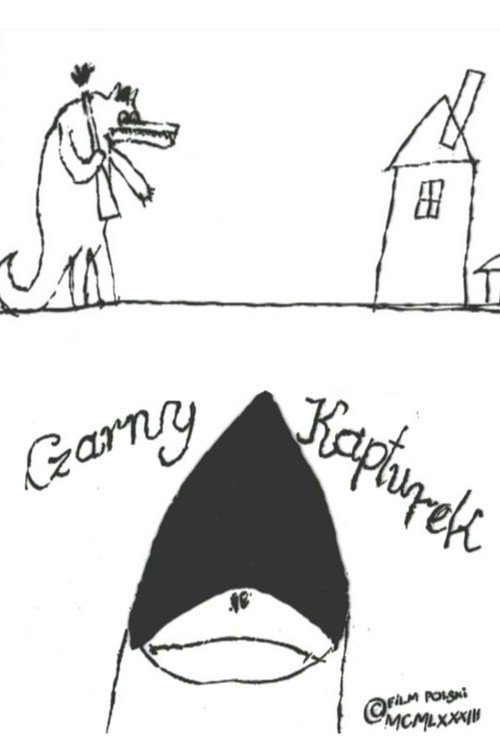
Piotr Dumała’s work functions as a sophisticated deconstruction of a foundational Western myth. By using color symbolism and psychological surrealism, the film moves away from traditional, moralistic storytelling toward a more nuanced visual language. The film effectively challenges the historical homogeneity of the fairy tale genre. It replaces the standard 'good vs. evil' binary with an atmospheric, perhaps even nihilistic, perspective that favors subjective morality over didactic lessons. While the brevity of the work limits deep character exploration, the intentional subversion of folklore clichés provides a layer of identity-focused complexity that distinguishes it from traditional children's literature.
Category Breakdown
The film does not explicitly include LGBTQ+ identities or dynamics that challenge the assumption that everyone is straight or cisgender. However, its surrealist animation style disrupts conventional social norms and traditional structures.
The film subverts the damsel in distress archetype by focusing on a potentially autonomous female protagonist. This departure from submissive feminine clichés challenges the standard portrayal of women in European folklore.
The film shifts the title's color from red to black, serving as a significant metaphor for identity. This use of color complicates the historically white-centric imagery of classic fairy tales.
The film prioritizes psychological depth and existential themes over simple moral binaries. It deconstructs traditional fable structures in favor of a more complex, non-traditional framework.
There is no verifiable evidence regarding the depiction of neurodivergence or physical disabilities in this short film.
Present on Screen
Limited or Absent
Official Synopsis
A short film about a little black riding hood.
1958
1984
1984
1990
1981
1980
1969
1996
No reviews yet. Be the first to share your thoughts on this movie!
Use the rating form above to leave a star rating and optional review.