Sacrificio: Who Betrayed Che Guevara
2001
No user ratings available yet
Representation score: 3.9 out of 10
Representation Score
Fair
2016
Director
Nicolas Wadimoff
Runtime
93 minutes
Average Rating
No ratings yetNew Showbiz Analysis
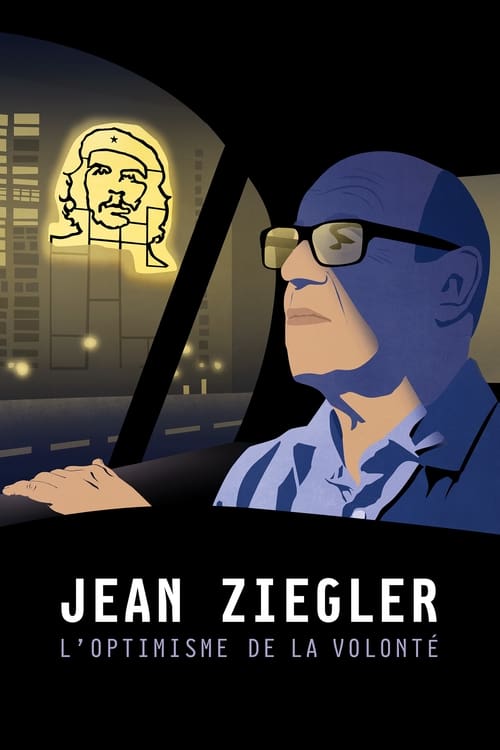
This documentary functions primarily as a political and biographical examination of Jean Ziegler's lifelong fight against systemic inequities. It succeeds in deconstructing traditional power structures by centering the narrative on the Global South and the influence of revolutionary figures like Che Guevara. However, the film remains narrow in its demographic scope. The focus on male-centric political history and the absence of LGBTQ+ or gender-focused narratives limit its multi-layered depth. Ultimately, the work is a progressive critique of global hierarchies and capitalist structures, even if it lacks explicit representation of diverse identities.
Category Breakdown
The film focuses on political activism and the historical influence of Che Guevara. There is no explicit depiction of LGBTQ+ identities or narratives that challenge the assumption that everyone is straight or cisgender.
The narrative centers on the intellectual and political roles of Jean Ziegler and Che Guevara. It lacks detail regarding female characters or challenges to gender hierarchies in its exploration of leadership.
The documentary engages deeply with non-Western political frameworks. By examining Cuban revolutionary history and global injustices, it prioritizes the ability to act of the Global South over Anglo-centric perspectives.
The film adopts an anti-capitalist lens to critique established Western institutional frameworks. It emphasizes a pursuit of social justice through a critique of systemic oppression and Western economic models.
There is no mention of subjects navigating physical, neurodivergent, or mental health conditions. The film does not address disability as a thematic or character-driven element.
Present on Screen
Limited or Absent
Official Synopsis
In 1964, Che Guevara asked the young Jean Ziegler to stay in Switzerland to fight in the "Monster brain" capitalist. Since then, Jean Ziegler nerve stops fighting against injustices as a public writer, a speaker and as a Kofi Annan collaborator. During a trip to Cuba, his ideas are challenged by what he discover on the island.
2001
2017
2013
2018
2010
2015
2008

2013
No reviews yet. Be the first to share your thoughts on this movie!
Use the rating form above to leave a star rating and optional review.